Do Whales Have Culture? The Answer Might Surprise You
Explore whale cultural traditions and uncover surprising behaviors that reveal social learning and shared practices in the ocean's giants.
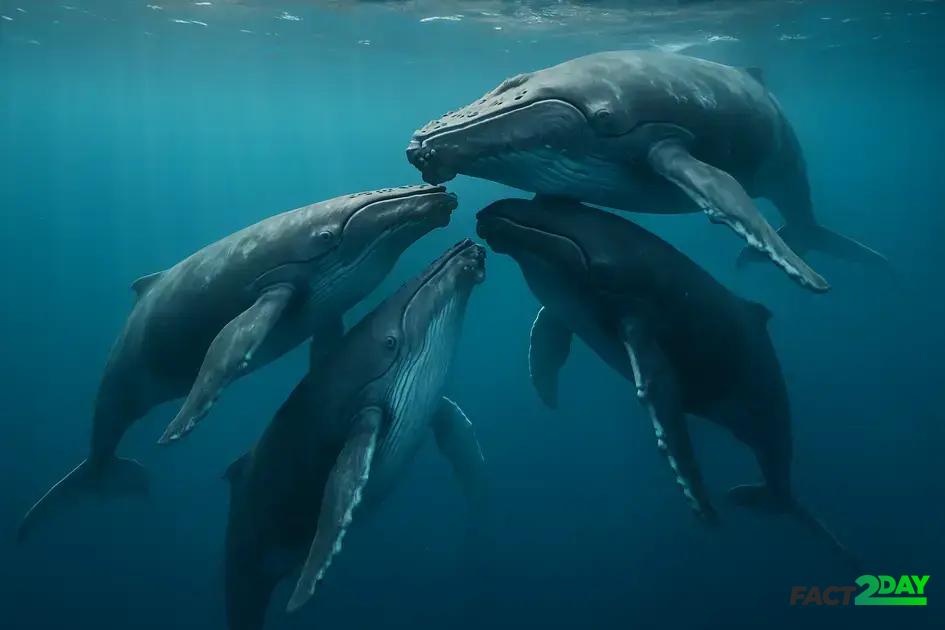
Whale cultural traditions consist of learned behaviors such as unique vocal dialects, migration routes, and feeding techniques passed socially within pods, revealing complex social structures and communication that shape their survival and adaptation.
Have you ever wondered about whale cultural traditions? These gentle giants display fascinating social behaviors that might be closer to human culture than we think. Let’s dive into their world and uncover what makes their connections so unique.
What defines culture among animals?
Culture in animals refers to behaviors and knowledge that are passed from one individual to another through social learning rather than genetic inheritance. This means certain groups of animals develop unique traditions that can include how they find food, communicate, or interact socially. For example, some primates use tools in ways their peers do not, showing a clear cultural difference.
In animals, culture is often seen through shared behaviors within a group that are consistent over time and can vary between populations. These traditions help animals adapt to their environment and improve their chances of survival. Unlike instinct, cultural behaviors can change and spread as individuals learn from one another.
Studying culture in animals involves observing patterns like unique calls or feeding techniques in different groups. These patterns reflect a learning process that is similar to how humans pass knowledge through generations, marking a key component of animal intelligence and social complexity.
The role of social learning in whales
Social learning plays a crucial role in whale communities, allowing individuals to acquire behaviors by observing or interacting with others. This process helps whales adapt to their environment more quickly than through genetic changes alone. For instance, young whales often learn feeding techniques and migration routes by following older members of their pod.
Unlike instinctual behavior, social learning enables whales to develop complex traditions. These include specific calls or songs that are unique to certain groups, which can change over time as whales adopt new sounds or behaviors from peers. This sharing of knowledge strengthens social bonds and helps maintain group cohesion.
Research shows that social learning also plays a part in problem-solving. Some whales have been observed using tools or cooperative hunting strategies that are taught across generations. These behaviors contribute to the idea that whales have a form of culture, passed down through social interaction rather than genetics.
Distinct whale vocal dialects around the world
Whales communicate using a variety of sounds, and these sounds can form unique vocal dialects that differ by region and population. These dialects are a key part of whale cultural traditions, showing that groups of whales develop distinct communication styles just like human languages.
For example, sperm whales use complex clicks and codas that vary between pods in different oceans. Similarly, humpback whales produce elaborate songs that change each season and are unique to certain populations. These vocal patterns help whales identify their pod members and coordinate activities such as hunting or migration.
Scientists study these dialects by recording and analyzing whale sounds over long periods. The findings reveal that these dialects are stable yet capable of evolving. This cultural transmission of vocal patterns suggests whales learn from each other and pass down communication styles through generations.
How whale migration patterns tie into culture
Whale migration patterns are often tied to cultural traditions passed down through generations. These migrations follow specific routes that whales learn from older members of their pod, rather than from instinct alone. This shows that migration is a learned behavior shaped by social teaching.
During migration, whales travel thousands of miles to reach feeding or breeding grounds. These routes can differ between populations and are maintained over time, revealing a form of cultural continuity. Changes in environment or food availability may influence adjustments to the routes, but the core migratory path is preserved through learning.
Social bonding during migration is also important, as whales often travel in groups that support each other. This collective movement strengthens pod relationships and ensures younger whales gain the knowledge needed for survival. Migration is more than just movement; it reflects complex social learning and cultural transmission within whale communities.
The impact of environment on whale traditions
The environment plays a key role in shaping whale traditions. Changes in water temperature, food availability, and human activity can influence whale behaviors and social practices. Whales often adapt their cultural traditions, like feeding methods or migration routes, in response to environmental pressures.
For example, if certain food sources become scarce, whales may develop new hunting techniques or shift their migratory paths to find better feeding grounds. These adaptations are passed on through social learning, showing how environmental factors drive changes in cultural behaviors.
Pollution and noise from ships also affect whale communication and can disrupt traditional vocal patterns. This interference highlights the delicate balance between whale culture and their surroundings. Protecting their environment is essential to preserving their unique social and cultural behaviors.
Whale tool use and innovative behaviors
Whales have demonstrated surprising levels of intelligence through their use of tools and innovative behaviors. Some whale species employ unique techniques to feed that involve using their environment to their advantage. For example, humpback whales use a method called bubble net feeding, where they create bubbles to herd fish into tight groups, making them easier to catch.
In addition, certain whales have been observed using sponges to protect their snouts while foraging on the ocean floor. This behavior is passed down from mother to calf, highlighting its cultural nature. Such tool use shows that whales can solve problems creatively and share these solutions within their pods.
Innovation is also seen in the variations of whale songs and communication methods. These behaviors are continuously evolving, reflecting an adaptive culture that helps whales survive in changing environments.
Communication as a cultural transmission tool
Communication is a powerful tool for cultural transmission among whales. Through a variety of sounds such as clicks, whistles, and songs, whales share information that helps maintain social bonds and transmit learned behaviors. These vocalizations can carry complex messages about feeding, mating, or navigation.
Whale songs are especially notable as they change over time and vary between populations. These songs are learned and shared within groups, showing how communication supports culture. Younger whales learn these sounds from older individuals, which helps preserve pod identity.
Beyond vocal sounds, whales also use physical behaviors like breaching and tail slaps to communicate. Together, these methods form a rich system that drives social learning and supports the passing down of traditions, making communication a key part of whale culture.
Whale pods and their unique social structures
Whale pods are social groups with unique structures that vary by species and behaviour. These groups are often made up of family members and close associates, providing support, protection, and cooperation in daily activities like feeding and traveling.
In some species, such as orcas, pods can be large and stable, with clear hierarchies and roles. Others, like humpback whales, form smaller, more fluid groups that change over time. The relationships within pods are complex and based on communication, shared knowledge, and social learning.
Strong bonds in pods help whales pass down traditions and cultural practices, including migration routes, hunting techniques, and vocal patterns. These social structures are key to the survival and success of whales, highlighting the importance of community for these intelligent marine mammals.
Research methods revealing whale culture
Scientists use several research methods to understand and reveal whale culture. One common approach is acoustic monitoring, which records whale songs and calls over time to study how vocalizations change and spread within populations. This helps identify unique dialects and social behaviors.
Observation of whale behavior is another key method. Researchers document how whales feed, migrate, and interact, noting patterns that suggest learned traditions rather than instinctual actions. Tagging whales with tracking devices also provides valuable data on their movements and social groups.
Genetic studies complement behavioral research, helping differentiate learned behaviors from inherited traits. By combining these methods, scientists build a clearer picture of how whales develop complex cultures through social learning and communication.
Why understanding whale culture matters
Understanding whale culture is vital for conservation and ecosystem health. Recognizing that whales have complex social behaviors and learned traditions helps us protect not just individuals, but entire communities and their way of life. This insight changes how we approach marine protection efforts.
Conservation strategies that consider cultural knowledge, such as migration routes and feeding habits, can be more effective. It’s important to preserve the social structures that support these traditions, ensuring whales can continue passing down critical survival skills.
Moreover, appreciating whale culture deepens our connection to these animals and fosters greater public support for protecting ocean habitats. This awareness encourages responsible behavior and policies that minimize human impact on whale populations and their cultural heritage.
Understanding whale culture deepens our connection
Whale culture shows us that these animals are more than just creatures of instinct. Their behaviors are shaped by learning and social bonds, making their communities rich and unique.
Protecting whale culture means protecting their way of life and the health of our oceans. When we respect their traditions and social groups, we help ensure their survival for future generations.
By learning about whale culture, we can make smarter conservation choices and appreciate the incredible complexity of life beneath the waves.