Games That Heal: How Video Games Support Health and Science
Science & health meet gaming in surprising ways. Discover how video games aid mental health and advance scientific research.
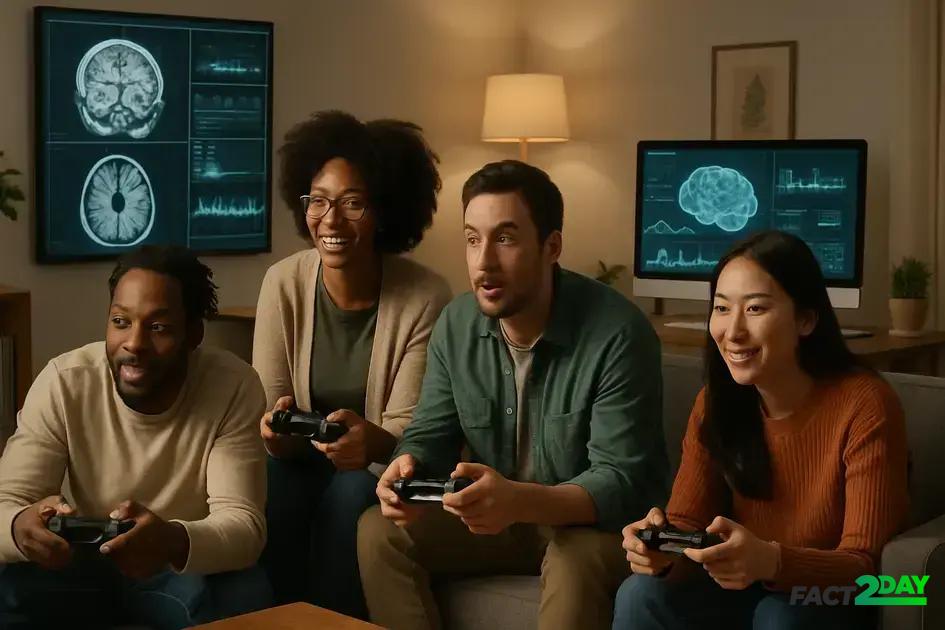
Science & health showcase how video games aid mental wellness, physical rehabilitation, cognitive function, and scientific research, using advanced technology like VR and AI to improve therapy and health outcomes.
Science & health intersect with video games in ways that might surprise you. Have you ever wondered how playing games could actually support your well-being or even aid scientific breakthroughs?
the evolution of video games in health
Video games have come a long way from simple entertainment to powerful tools in the field of health. Initially, games focused on fun and leisure, but over the years, developers and researchers began to explore their potential in medical applications and health improvement. The evolution of video games in health reflects a gradual shift towards purposeful design that targets wellness and rehabilitation.
Early applications in health
In the early stages, video games were used in hospitals to distract patients during painful treatments, reducing anxiety and stress. Simple games served as cognitive exercises for patients recovering from injuries or surgeries. These initial uses laid the foundation for more targeted health-related games.
Advances in technology and purpose
With improvements in graphics, interactivity, and motion sensors, modern video games now involve physical movement and real-time feedback. This has enabled games to serve as rehabilitation tools for physical therapy, help improve motor skills, and even assist individuals with chronic conditions.
Integration with scientific research
Games have also become instruments in scientific health research, providing data on behavior, cognition, and emotional responses. Researchers analyze player interactions to develop better treatment methods and understand the brain’s workings.
Current trends and future potential
Today, video games are designed to promote mental health, support physical recovery, and educate players about healthy habits. Virtual reality (VR) and augmented reality (AR) are expanding these possibilities further, offering immersive health experiences and personalized therapy options.
As the technology continues to evolve, video games hold great promise to become integral parts of healthcare strategies, merging entertainment with healing.
how games promote mental wellness
Video games are increasingly recognized for their role in promoting mental wellness. Many games are designed to reduce stress, improve mood, and foster positive mental health habits. Playing games can offer a safe space for relaxation and social interaction, which are essential components of emotional well-being.
Stress relief and mood improvement
Engaging in immersive gameplay helps distract players from daily worries, lowering anxiety levels. Activities like puzzle-solving and creative challenges in games stimulate the brain, triggering the release of dopamine—the chemical linked to pleasure and motivation.
Enhancing social connection
Online multiplayer games promote social interaction, teamwork, and communication. These social connections help reduce feelings of loneliness, a key factor in improving mental health. Community support within gaming groups can provide emotional comfort and a sense of belonging.
Therapeutic uses of gaming
Some games are specifically developed as therapeutic tools to aid in managing conditions like depression, PTSD, and anxiety. These games incorporate techniques from cognitive behavioral therapy, mindfulness, and relaxation exercises to assist players in coping with mental health challenges.
Building cognitive skills and resilience
Video games also support mental wellness by improving focus, memory, and problem-solving skills. Regular play helps build resilience, teaching players how to handle failure and persist through challenges in a controlled environment.
scientific research powered by gaming
Gaming has become a valuable tool in scientific research, contributing to breakthroughs in health and cognitive studies. Through interactive gameplay, researchers collect large amounts of data that help understand brain function, problem-solving, and behavior.
Citizen science through gaming
Many games invite players to participate in research tasks, such as identifying protein structures or mapping neural pathways. This approach, known as citizen science, leverages the intelligence and pattern recognition skills of gamers to solve complex problems faster than traditional methods.
Improving data collection and analysis
Games provide controlled environments where researchers can monitor users’ responses and decisions in real-time. This generates rich datasets used to study learning patterns, memory retention, and attention spans, advancing knowledge in neuroscience and psychology.
Collaboration between scientists and developers
Collaboration is key in designing games that meet scientific objectives. Developers work with scientists to integrate challenges that simulate real-world scientific problems, making learning engaging and productive.
Impact on medical research and treatment
Gaming research has informed new treatments for neurological disorders and mental health conditions. The data gathered help tailor therapies and develop personalized medicine approaches, showing how play can directly influence healthcare innovation.
educational games and health awareness
Educational games play a vital role in increasing health awareness by teaching players about medical conditions, healthy habits, and wellness practices. These games transform complex health information into easy-to-understand, engaging experiences that encourage learning.
Interactive learning for all ages
Games designed for children and adults alike use quizzes, simulations, and story-driven challenges to impart knowledge about nutrition, hygiene, and disease prevention. This interactive approach helps players retain important health facts more effectively than traditional methods.
Promoting healthy lifestyle choices
Many games motivate players to adopt healthier behaviors by setting goals such as regular exercise, balanced diets, or stress management techniques. Progress tracking and rewards systems increase engagement and reinforce positive habits.
Raising awareness about diseases
Some educational games focus on specific illnesses like diabetes, heart disease, or mental health conditions. These games educate players on symptoms, treatment options, and coping strategies, helping reduce stigma and encouraging early diagnosis.
Using technology for widespread impact
Mobile and online platforms make health education games accessible to a broader audience worldwide. Integrating multimedia elements like videos and animations enhances understanding and keeps players motivated to learn.
virtual reality and physical rehabilitation
Virtual reality (VR) is transforming physical rehabilitation by creating immersive environments that motivate patients to perform therapeutic exercises. Unlike traditional therapy, VR makes rehabilitation engaging, which can improve patient compliance and outcomes.
How VR aids recovery
VR provides real-time feedback and tracks movement accuracy, allowing therapists to customize programs to individual needs. Patients can practice motions safely and repeatedly, which is key to regaining strength and mobility.
Types of VR rehabilitation programs
Programs include balance training, motor skill improvement, and pain management. Some focus on neurological rehabilitation, assisting stroke survivors or patients with spinal injuries, by simulating real-world tasks in a controlled setting.
Benefits of VR in therapy
VR reduces boredom and frustration often associated with rehab exercises. It also offers motivational rewards and gamified elements that encourage persistent effort. This increased engagement often leads to faster recovery.
Accessibility and future potential
Portable VR systems make therapy possible at home, extending care beyond clinics. As technology advances, VR combined with artificial intelligence is expected to personalize therapy even further, optimizing recovery plans based on patient progress.
games supporting cognitive function in aging
Video games are increasingly used to support cognitive function in aging, helping older adults maintain mental sharpness and delay decline. These games focus on exercises that challenge memory, attention, and problem-solving skills.
Brain training games
Many games are designed as brain workouts, targeting cognitive abilities through puzzles, pattern recognition, and strategic thinking. Regular gameplay can improve processing speed and working memory.
Social interaction benefits
Multiplayer games encourage communication and teamwork, reducing social isolation—a key factor in cognitive decline. Staying socially active has been linked to better brain health in seniors.
Preventing cognitive decline
Studies suggest that mental stimulation from gaming may reduce the risk of dementia and Alzheimer’s disease by keeping neural pathways active and adaptable.
Customization for individual needs
Games can be tailored to a person’s skill level and cognitive goals, providing progressive challenges that keep the brain engaged without causing frustration or boredom.
ethical considerations in health-related games
Health-related video games raise important ethical considerations that developers and users must be aware of. These games often deal with sensitive personal data and influence users’ health decisions, so maintaining privacy and accuracy is critical.
Data privacy and security
Many health games collect data on players’ behaviors, health status, and even biometric information. It is essential to protect this data from unauthorized access and ensure compliance with privacy laws like HIPAA or GDPR.
Accuracy of health information
Games must provide accurate, evidence-based health content to prevent misinformation. Developers should collaborate with health professionals to ensure that the game’s messages and therapeutic claims are valid and reliable.
Informed consent and transparency
Players should be clearly informed about how their data is used and the game’s purpose. Transparent communication builds trust and allows users to make informed decisions about participation.
Potential for addiction and overuse
While gaming can support health, there is a risk of addiction or excessive use that could harm mental or physical well-being. Developers should design games with safeguards to promote healthy play habits.
future trends: gaming as a health tool
The future of gaming as a health tool shows exciting possibilities that could reshape healthcare. Emerging technologies like artificial intelligence, virtual reality, and wearable devices will make games more personalized and effective in promoting wellness.
AI-powered personalized therapy
Artificial intelligence can tailor health games to individual needs, adapting difficulty and content based on real-time data. This means players receive therapy that fits their unique progress and challenges.
Integration with wearable technology
Wearables can track physical activity, vitals, and other health metrics, feeding this data into games to create immersive and responsive experiences. This integration supports continuous monitoring and motivates healthier behaviors.
Expanding virtual and augmented reality
Virtual and augmented reality will deepen immersion, making rehabilitation and mental health exercises more engaging and effective. These technologies provide lifelike simulations that help patients practice skills in realistic contexts.
Collaborative and social health gaming
Future health games will promote social interaction and community support, recognizing the importance of connection in mental and physical well-being. Multiplayer and cooperative elements can enhance motivation and adherence.
The future of gaming in health looks promising
Video games are becoming powerful tools to support both mental and physical health. With advances in technology, they offer personalized therapy, social connection, and engaging ways to promote wellness.
As gaming continues to evolve, it will play an even bigger role in healthcare, helping people stay healthier and happier through fun and innovation.
Embracing these new trends can open exciting possibilities for improving health with games that heal.