From Bleeps to Believability: The Surprising Evolution of Voice Acting in Games
Explore the captivating journey of video game voice acting evolution and how characters gained depth through sound and emotion.
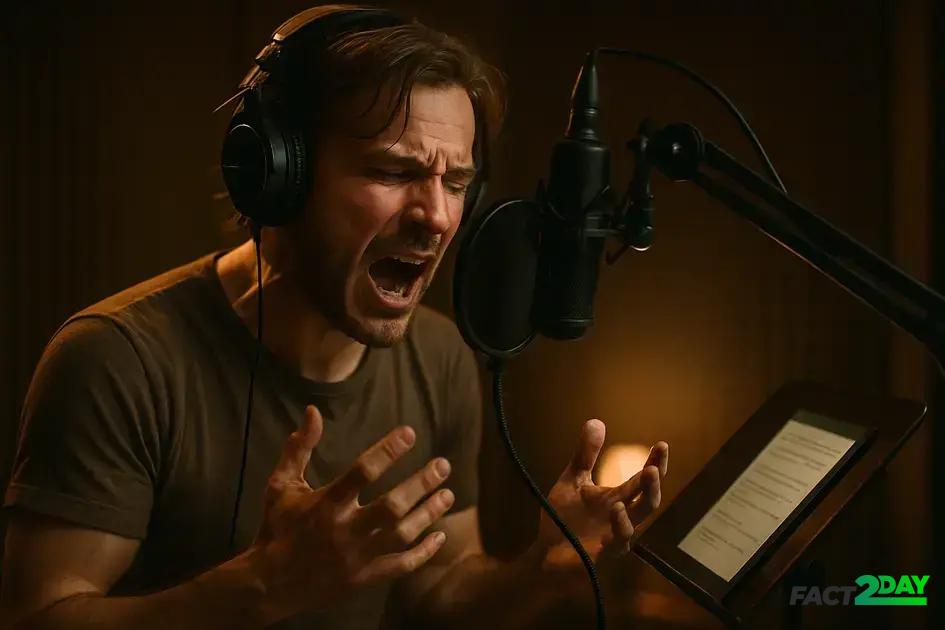
Video game voice acting evolution transformed basic bleeps into complex, emotional performances that enhance character depth, storytelling, and player immersion through advancing technology and skilled actors.
Have you ever wondered how video game voice acting evolution transformed pixelated bleeps into rich, emotional performances? This journey reveals voices that connect us deeply to game worlds, enriching every quest.
early days: from simple sounds to basic voices
In the early days of video gaming, voice acting was limited to simple sounds and basic voices due to technical constraints. Games primarily used bleeps, beeps, and short vocal clips to convey character emotions or actions. These sounds were generated by primitive hardware, which restricted quality and variety.
Limitations of Early Technology
Memory and processing power were scarce, so developers focused on creating distinctive tones rather than realistic speech. This meant characters often communicated through minimal vocal cues, leaving much to the player’s imagination.
Notable Early Examples
Classic arcade games like Pac-Man and Donkey Kong featured simple sounds emblematic of the era. Although lacking dialogue, these audio cues helped build the game’s atmosphere and player engagement.
Transition to Basic Voices
As technology advanced, early consoles and PCs began supporting recorded voices, although quality remained low. Basic phrases and catchphrases emerged, adding a new layer to character identity and player immersion.
technological advancements shaping voice quality
The rise of advanced audio technology greatly shaped the quality of voice acting in video games. Improved storage capacity and better sound processing allowed developers to include full voice recordings, rather than short clips or synthesized sounds.
Introduction of CD-ROM and Digital Audio
The arrival of CD-ROM technology in the 1990s enabled much larger audio files, making it possible for games to feature longer, higher-quality voiceovers. This was a key turning point, allowing actors to deliver nuanced performances and helping characters feel more lifelike.
Enhanced Sound Chips and Engines
Modern consoles integrated sophisticated sound chips and software engines that improved clarity and allowed multiple audio layers. This meant background sounds, music, and voice acting could coexist without losing fidelity, creating a richer gaming atmosphere.
Motion Capture and Performance Capture
Technological advances extended beyond sound. Motion capture and performance capture technologies allowed voice actors to physically enact scenes, syncing their movements and expressions with their voice work. This led to more authentic and emotional portrayals, elevating the overall storytelling in games.
impact of voice acting on gaming experience
Voice acting has a profound impact on the overall gaming experience, shaping how players connect with characters and stories. When done well, it adds emotional depth and authenticity, making the game world feel alive.
Enhancing Character Personality
Voice acting gives characters unique voices and emotions, turning simple avatars into memorable personas. This helps players understand motivations and builds empathy, creating a stronger bond with the story.
Immersive Storytelling
Dialogue delivery and vocal tone affect storytelling by emphasizing suspense, humor, or drama. Good voice acting complements visual cues and music, drawing players deeper into the narrative and enhancing engagement.
Player Engagement and Replayability
Strong voice performances can increase player immersion, encouraging exploration and repeated playthroughs. Players are more likely to revisit games where characters feel real and conversations resonate emotionally.
Understanding the power of voice acting in games
Voice acting has come a long way from basic sounds to delivering rich, emotional performances that deeply connect players to game worlds. It shapes characters, enhances stories, and boosts player immersion like never before.
As technology keeps advancing, voice acting will remain a key element in making games feel believable and engaging. Whether you’re a player or a creator, recognizing this evolution helps appreciate the art and craft behind every memorable gaming experience.