Mammals That Glow Under UV Light
Discover the fascinating world of UV glowing mammals and how these animals reveal hidden beauty under ultraviolet light.
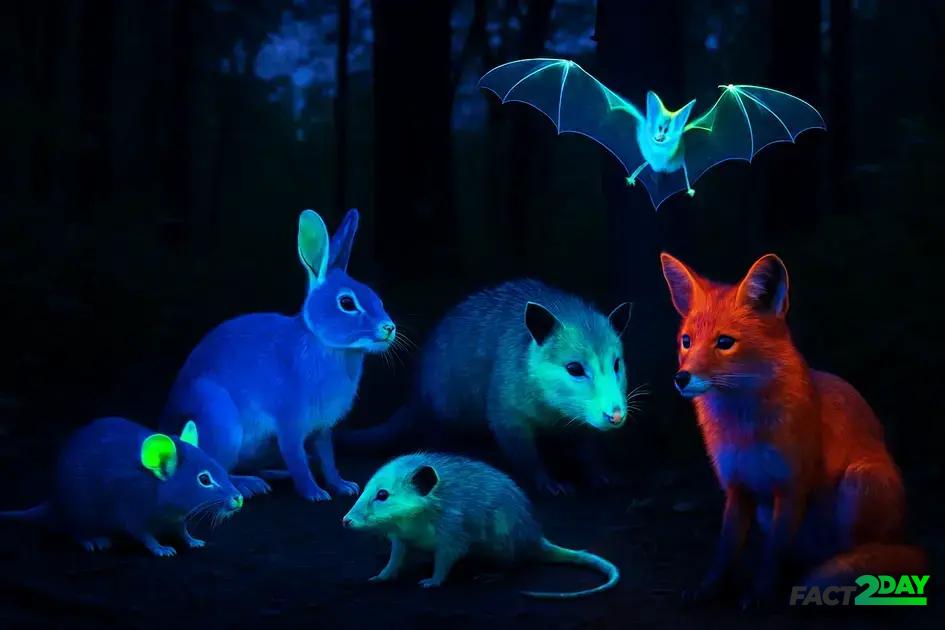
UV glowing mammals fluoresce under ultraviolet light due to special molecules in their fur or skin, aiding in communication, camouflage, and mating in low-light environments.
UV glowing mammals often remain hidden from our everyday sight, revealing a secret luminescence under ultraviolet light. Have you ever wondered why some creatures shimmer with such mystery in the dark? Let’s explore this captivating glow together.
what makes mammals glow under uv light
The phenomenon of UV fluorescence in mammals occurs when certain chemicals in their fur, skin, or scales absorb ultraviolet (UV) light and then emit it as visible light. This is different from bioluminescence, which is light produced through chemical reactions inside an organism. Instead, mammals that glow under UV light contain special compounds like kynurenine or other fluorescent proteins that react when exposed to UV rays.
How Fluorescence Works
Fluorescence starts when UV light hits molecules in the animal’s body. Those molecules absorb the UV energy and quickly release it as lower-energy visible light, which often appears bright blue, green, or pink to our eyes. The glow can be subtle or very vibrant depending on the concentration and types of fluorescent compounds present.
Common Fluorescent Substances
One example is kynurenine, found in the fur of some nocturnal mammals, which helps them fluoresce under UV light. In other cases, unique proteins or pigments produced by the animal react similarly. These substances are usually harmless and serve non-luminous biological roles but become visually striking under UV lighting.
Factors Influencing Glow
The intensity and color of the glow can vary due to the animal’s species, age, health, and environment. Some mammals might only fluoresce in certain body parts like fur patches or skin, making their glow selective and interesting for scientific studies.
Exploring these natural glowing mammals not only reveals hidden layers of nature but also sparks curiosity about how animals interact with their environment in ways we rarely notice.
examples of uv glowing mammals around the world
Several mammals around the world exhibit UV glowing properties, revealing fascinating hidden patterns invisible to the naked eye. One well-known example is the platypus from Australia, which shows a clear blue-green glow on its fur under UV light. This surprising discovery has fascinated researchers and nature enthusiasts alike.
Other Notable Mammals That Glow
The opossum, native to the Americas, is another mammal that fluoresces in UV light. Its fur emits a bright greenish glow, helping scientists study its behavior in the wild more effectively. Similarly, the springhare, a nocturnal rodent from Africa, has parts of its body that emit fluorescence.
Flying squirrels also glow under UV light, displaying vibrant blue hues on their fur. These creatures are found in North America and Asia and use their gliding abilities to move between trees, with their UV fluorescence adding an extra layer of mystery to their nocturnal activity.
Why These Mammals Glow
Although the exact reasons differ, the fluorescence in these mammals might play roles in camouflage, communication, or mating rituals. Scientists continue to explore how widespread this trait is and what evolutionary advantages it might provide.
the science behind uv fluorescence in mammals
UV fluorescence in mammals occurs due to specific molecules in their fur or skin that absorb ultraviolet light and then re-emit it as visible light. This process is called fluorescence and is different from bioluminescence, which involves producing light through chemical reactions inside the body.
Key Molecules Involved
Many mammals have compounds like kynurenine and other fluorescent proteins in their fur or skin. These molecules absorb UV light and then fluoresce, creating the glowing effect seen under ultraviolet lamps. Kynurenine, for example, is a metabolite of the amino acid tryptophan and can emit blue or green light.
How Fluorescence Works
When UV photons hit these molecules, they get excited to a higher energy level. As they return to their normal state, they release the absorbed energy as visible light. This light is often in the blue, green, or pink spectrum and creates the eerie glow.
Biological Functions and Research
Scientists are still studying why mammals have this fluorescence. In some species, it might help with communication, mating, or camouflage at night. The fluorescence could also play a role in protecting skin from UV damage. Ongoing research explores these hypotheses and discovers more species displaying these traits.
Understanding the science behind UV fluorescence not only helps biologists learn about animal behavior but also inspires new materials and technologies mimicking these natural glowing properties.
how uv glowing helps mammals in nature
UV glowing in mammals serves several important purposes in nature. One key function is communication. Some mammals use their fluorescence to signal or recognize each other in low light environments where UV light is present, such as at dusk or during the night.
Camouflage and Predator Avoidance
In certain habitats, glowing fur can help mammals blend with their surroundings when viewed under UV light. This can make it harder for predators to spot them. The fluorescence might also confuse predators or prey by breaking up the animal’s outline.
Finding Mates
UV fluorescence may play a role in mating rituals. Some animals have glowing patterns that highlight specific body parts, attracting potential mates. This visual signal, invisible to predators lacking UV vision, offers a safe way to communicate reproductive readiness.
Health Indicators
In some species, the intensity or color of UV glow might indicate an animal’s health or age. Brighter fluorescence could reflect better physical condition, helping others identify strong or dominant individuals.
These functions are still being studied, but it’s clear the ability to glow under UV light gives mammals unique advantages in their natural environments.
equipment and tips to observe uv glowing mammals safely
Observing UV glowing mammals requires special equipment to see their fluorescence clearly without causing them harm. One essential tool is a UV flashlight or blacklight, which emits ultraviolet light that makes the mammals’ fur or skin glow.
Choosing the Right UV Light
Select a UV flashlight with a wavelength between 365 and 395 nanometers for the best results. Avoid using very strong UV sources that could disturb or damage the animals’ eyes and skin.
Additional Gear
Using UV-protective goggles can help protect your eyes during observation. Carrying a camera with good low-light capabilities allows you to capture the glowing effects without using flash, which can startle wildlife.
Best Practices for Safe Observation
Approach animals quietly and avoid shining UV light directly into their eyes. Limit observation time to prevent stress. It’s also important to stay on designated paths and follow local wildlife guidelines to minimize impact.
Planning visits during dusk or nighttime, when UV fluorescence is most visible, increases your chances of spotting these glowing mammals. Always respect the animals and their habitats to ensure both your safety and theirs.
the ecological importance of uv glowing in mammalian species
The ecological importance of UV glowing in mammals extends to various aspects of their survival and interaction within ecosystems. This unique trait can influence behaviors like communication, mating, and predation, which play crucial roles in maintaining healthy populations.
Role in Communication
Many mammals use UV fluorescence to communicate with others of their species, especially in low-light environments. This hidden signaling can help individuals recognize mates, rivals, or offspring, supporting social structures without alerting predators.
Impact on Predator-Prey Relationships
UV glowing can aid in camouflage, helping some mammals avoid predators by blending into their environment under ultraviolet light. Conversely, predators might use UV vision to spot prey that fluoresces, creating a dynamic evolutionary balance.
Contribution to Biodiversity
The presence of UV fluorescence may encourage niche specialization and adaptation, fostering biodiversity. Species that can use or detect UV fluorescence may occupy unique ecological roles, enriching ecosystem complexity.
Studying the ecological impacts of UV glowing mammals helps scientists understand how glowing traits affect animal interactions and ecosystem stability over time.
debunking myths and common misconceptions about uv glowing mammals
There are many myths and misconceptions surrounding UV glowing mammals that can confuse both the public and researchers. One common myth is that these animals produce their own light, similar to fireflies. In reality, their glow results from fluorescence, which occurs when UV light is absorbed and re-emitted as visible light, not from bioluminescence which is light produced chemically.
Myth: All Glowing Mammals Are Dangerous
Some believe that glowing mammals are poisonous or harmful, but this is not true. Their fluorescence serves mostly for communication or camouflage and does not indicate toxicity.
Misconception: UV Glow Is Rare Among Mammals
While recently discovered, UV glowing is more common than once thought. Many nocturnal or crepuscular mammals exhibit fluorescence, but it often goes unnoticed without UV light sources.
Clarifying the Role of UV Glowing
UV glow does not always mean an animal is active only at night. Some species may use fluorescence for mating displays, communication, or protection during dim daylight or shaded environments.
Understanding these facts helps appreciate the true nature of UV fluorescence and avoids spreading inaccurate information about these fascinating mammals.
Understanding UV glowing mammals opens new doors
Exploring how mammals glow under UV light uncovers hidden parts of nature we rarely see. This glowing helps animals communicate, stay safe, and even find mates in dark environments.
By learning the science and debunking myths, we gain a clearer picture of these fascinating creatures and their unique abilities. Observing them safely with the right tools allows us to appreciate their beauty without harm.
As research continues, UV glowing mammals will reveal more secrets about life in the wild and inspire new discoveries in science and technology.