City Animals Adapting to Nighttime Concrete Jungle
Explore how urban wildlife adaptation transforms city animals as they navigate the nighttime concrete jungle with surprising agility.
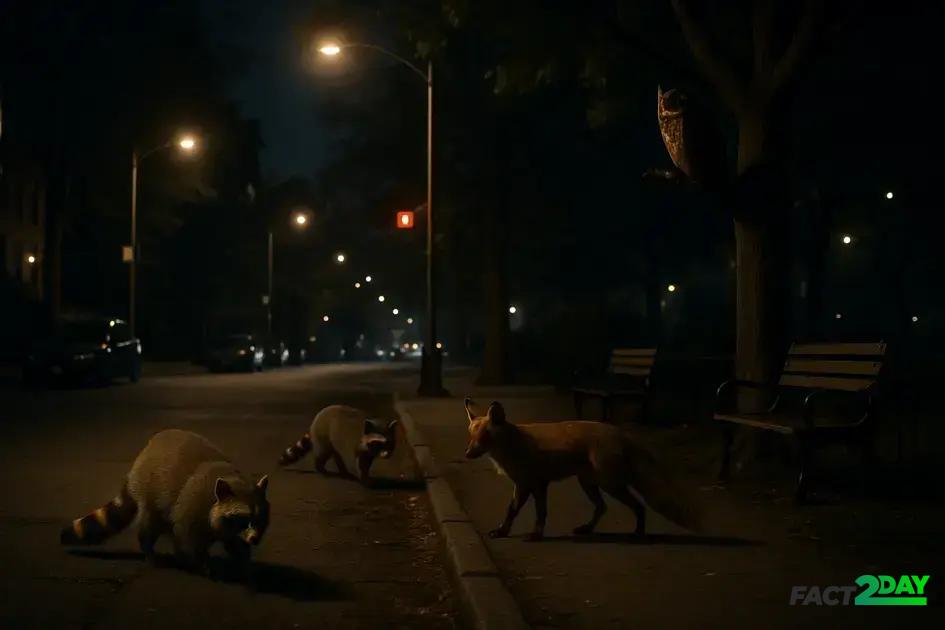
Urban wildlife adaptation involves city animals changing behaviors and habitats in response to nighttime challenges like artificial light, noise, and habitat fragmentation to survive and thrive in the concrete jungle.
Have you ever wondered how animals manage to live and thrive in the bustling city night? The story of urban wildlife adaptation reveals creatures adjusting in silent, clever ways to the concrete jungle after dusk. Let’s explore their hidden rhythms together.
how urban animals adjust their behavior after dark
Many urban animals change their daily habits to survive the challenges of city life. After dark, creatures such as raccoons, bats, and foxes become more active to avoid daytime human activity and traffic. This shift is a key part of urban wildlife adaptation, allowing them to find food and shelter more safely.
Behavioral Changes in Urban Animals at Night
Animals often lower their activity during peak human hours and increase nocturnal behaviors. Raccoons, for example, raid trash bins under the cover of darkness. Owls use the quiet of night to hunt for rodents in parks and green spaces. Many animals also adopt stealthy movements to avoid predators and human encounters.
Reasons for Nocturnal Shifts
Light pollution and noise during the day disturb many species, prompting them to adjust their schedules. Nighttime offers a calmer environment with fewer threats and less competition. This behavioral flexibility highlights the resilience of urban wildlife as they navigate the concrete jungle.
Understanding these adaptations helps us appreciate the delicate balance of city ecosystems and the survival skills of urban animals.
the role of city lights in animal adaptation
City lights have a major impact on how urban animals adapt to their environment. Artificial lighting alters natural day-night cycles, affecting animal behaviors like foraging, mating, and movement. Some animals thrive in well-lit areas, using the light to hunt or avoid predators, while others struggle with disorientation and disrupted sleep patterns.
Effects of Light Pollution on Urban Wildlife
Strong city lights can confuse nocturnal animals such as bats and moths, which rely on natural darkness to navigate. Bright lights may also attract prey, changing predator-prey dynamics. For example, artificial lighting can make it easier for predators to spot prey but can also expose predators to their own dangers.
Adaptive Strategies to Light Exposure
Some species adjust their activity times to avoid the brightest hours, shifting to later at night or choosing darker areas within the city. Others develop tolerance to artificial light, continuing their routines despite the illumination. Animals may also use shadows, buildings, and foliage to reduce exposure to light.
Understanding the role of city lights in animal adaptation helps highlight the delicate balance between urban development and wildlife survival.
urban green spaces as animal refuges
Urban green spaces like parks, gardens, and vacant lots serve as crucial refuges for city wildlife. These areas provide shelter, food, and breeding grounds that are otherwise scarce in the built environment. Animals such as birds, squirrels, rabbits, and insects rely on this vegetation to thrive amid the concrete.
The Importance of Green Spaces for Biodiversity
Green areas help maintain ecological balance by supporting diverse species and offering safe havens from urban stressors like noise and pollution. These refuges also connect fragmented habitats, allowing animals to move and find resources more easily within the city.
Features That Enhance Habitat Quality
Native plants, water sources, and layered vegetation increase habitat value for wildlife. The presence of trees and shrubs offers cover from predators and harsh weather. Community gardens and small wildlife corridors are examples of features that encourage animals to settle and reproduce.
Preserving and expanding urban green spaces benefits both wildlife and city residents by improving air quality, reducing heat, and enhancing well-being.
challenges faced by wildlife in cities at night
Wildlife in cities faces numerous challenges during nighttime. Artificial light, noise pollution, and heavy traffic can disrupt their natural behaviors and habitats. These disturbances affect feeding, mating, and movement patterns, making it harder for animals to survive.
Impact of Noise and Light Pollution
Bright lights confuse nocturnal species, leading to disorientation and interrupted sleep cycles. Loud noises from vehicles and nightlife activity cause stress and force animals to avoid otherwise suitable habitats. This stress can reduce reproduction rates and weaken immune systems.
Habitat Fragmentation and Human Encroachment
The spread of buildings and roads breaks up natural areas, creating isolated pockets of habitat. Animals may struggle to find food or mates, and crossing busy roads is dangerous. Fences, walls, and other urban barriers further limit movement, increasing the risk of injury or death.
These challenges require animals to develop strong adaptation strategies to survive in the urban nighttime environment.
human impact on nocturnal city species
Human activities dramatically affect nocturnal species living in cities. Construction, traffic, noise, and light pollution change natural habitats, often forcing animals to alter their behavior or relocate. These impacts can reduce population sizes and disrupt ecosystems.
Effects of Urban Development
Building projects often destroy or fragment habitats, leaving fewer safe areas for animals to rest and hunt. Roads and vehicles create physical barriers and risks, while heavy traffic noise interferes with animal communication.
Consequences of Light and Noise Pollution
Artificial light disturbs natural rhythms by extending daylight hours and confusing animals’ internal clocks. This affects feeding habits, mating cycles, and predator-prey interactions. Loud noises can increase stress levels, reduce reproductive success, and drive animals away from once-familiar territories.
Understanding these human impacts is critical to developing strategies that support urban wildlife conservation and help nocturnal species adapt to city life.
ways to support urban wildlife adaptation
Supporting urban wildlife adaptation begins with creating environments that meet their basic needs. Planting native vegetation, preserving green spaces, and providing water sources help animals find food and shelter within city limits. Simple actions can make a big difference.
How Communities Can Help
Residents can contribute by reducing pesticide use, securing trash to avoid attracting unwanted animals, and installing nests or shelters for birds and small mammals. Awareness campaigns encourage coexistence and respect for urban wildlife.
Designing Wildlife-Friendly Cities
Urban planners and developers are key to integrating wildlife corridors, green roofs, and parks in city designs. These elements create safe pathways and habitats, allowing animals to move freely and thrive. Reducing light and noise pollution also helps maintain natural behaviors.
By combining community efforts and thoughtful planning, cities can become places where both humans and wildlife flourish together.
Embracing urban wildlife adaptation for a balanced city life
City animals show amazing ability to adapt to the challenges posed by the nighttime concrete jungle. Understanding their behaviors and the impact of human activities can help us create safer, greener urban spaces.
By supporting wildlife through thoughtful design and community actions, we foster coexistence that benefits both animals and people. A city that balances development with nature is a healthier, more vibrant place for all its inhabitants.