The Earth’s Palette: Geological Phenomena That Paint the Landscape With Improbable Colors
Geologia de cores incomuns revela como minerais e processos naturais criam paisagens pintadas com tons surpreendentes, despertando nossa curiosidade e admiração.
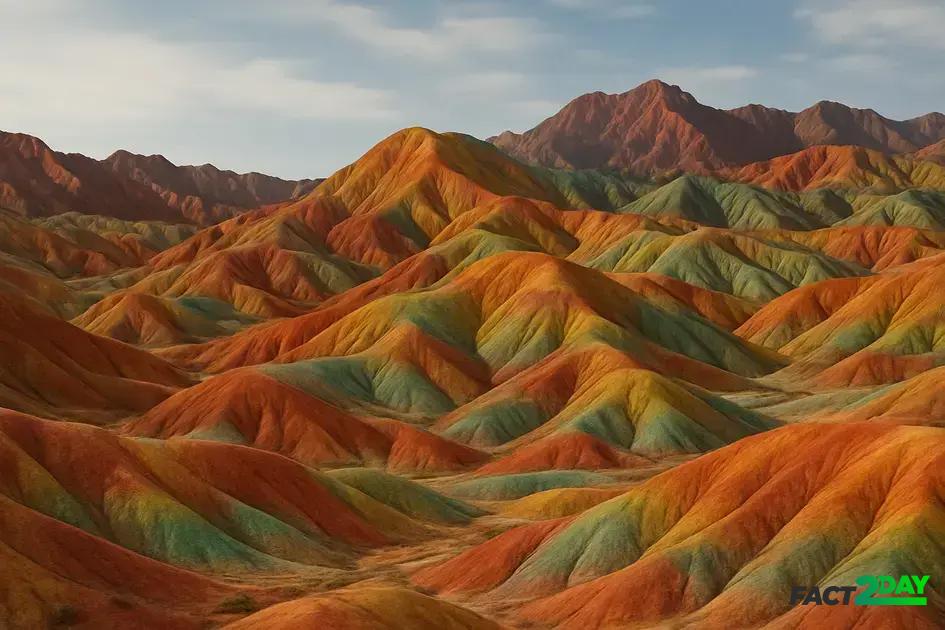
Uncommon color geology refers to natural geological processes and mineral impurities that create rare, vibrant colors in landscapes, inspiring both artistic expression and environmental awareness.
Have you ever wondered how uncommon color geology transforms rocks and lands into true natural works of art? Let’s explore these phenomena that paint the world with unexpected and fascinating colors.
Mineral formation and the role of impurities in geological colors
The colors we see in geological formations often come from the minerals within the rocks. Mineral formation is a natural process where elements combine under specific conditions of pressure and temperature, creating distinct crystals. These crystals can have a range of colors depending on their chemical makeup.
Impurities and Their Impact
Even tiny amounts of impurities can change the color drastically. For example, the presence of iron can give rocks red or yellow hues, while copper can create greens or blues. These impurities absorb and reflect light differently, resulting in the vibrant and unusual colors seen in nature.
Examples of Mineral Colors
Consider quartz’s pure form, which is clear or white. When trace amounts of iron are present, it can become amethyst with its beautiful purple shade. Similarly, tiny inclusions of other elements can produce colors like pink, green, or even black.
Understanding how minerals form and the role of impurities helps geologists explain the palette of colors found in Earth’s landscapes, revealing the hidden chemistry that paints our world.
Natural examples of rare colors and their associated phenomena
Nature offers many spectacular examples of rare geological colors caused by unique processes. Pink lakes, such as Lake Hillier in Australia, owe their striking color to salt-loving microbes and algae that produce red pigments. These microorganisms thrive in salty conditions, creating a vibrant pink hue.
Multicolored Mountains
Mountains like the Rainbow Mountain in Peru display layers of different colored minerals. This effect results from sedimentary deposits of minerals such as iron, copper, and manganese over millions of years. Each mineral gives its own color, forming bright bands of red, green, yellow, and purple.
Blue Clays and Red Sands
Some places have rare blue clays colored by the presence of organic materials or specific minerals like glauconite. Red sands, found in deserts like the Sahara, get their warm tones from iron oxide, which acts like rust in the soil.
These natural colors not only make landscapes breathtaking but also help scientists understand the geological history and environmental conditions of each place.
How colorful geology inspires art and environmental awareness
Colorful geology has long inspired artists and environmentalists alike. Natural rock formations with vivid colors serve as a powerful source of creativity for painters, photographers, and designers who capture the earth’s beauty in their work.
Artistic Inspiration
Artists often mimic the striking patterns and hues of mineral-rich landscapes. These natural palettes influence everything from abstract paintings to fabric designs, showcasing how the earth’s colors impact culture and expression.
Environmental Awareness
Beyond art, colorful geological sites raise awareness about nature’s delicate balance. Unique landscapes attract attention to conservation efforts, reminding us of the need to protect these irreplaceable wonders from human threats like mining and pollution.
By linking art and environmentalism, colorful geology encourages us to appreciate and safeguard our planet’s natural beauty for future generations.