Lost and Found: Unreleased Games That Were Almost Finished
Unreleased games hold secrets of creativity paused. Discover the stories behind these nearly finished projects and what they reveal about gaming's past.
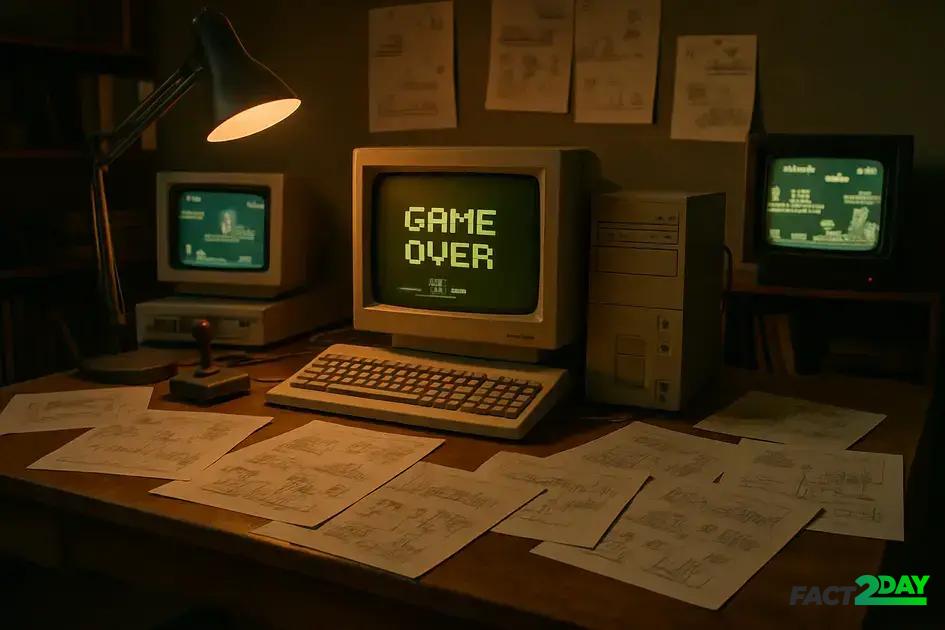
Unreleased games are titles developed but never officially launched, often due to technical, financial, or creative challenges, and they continue to influence game design and fan communities through preservation and inspiration.
Have you ever wondered about the mysteries behind unreleased games? Games that almost made it to your screen but stopped short hold a unique charm. Let’s explore these forgotten worlds together and see what stories they tell beyond the pixels.
what makes a game unreleased and why it matters
Unreleased games are titles that were developed to some extent but never officially launched to the public. This could happen for many reasons, such as budget cuts, development challenges, or changes in market demand. Sometimes a game is almost finished but remains shelved, leaving players curious about what could have been.
Understanding why these games remain unreleased matters because it reveals the complexities of game development. It’s not just about creativity; practical factors like technical problems, licensing issues, or shifts in company strategy play big roles. These reasons help us appreciate the risks and challenges behind the scenes.
Also, unreleased games often showcase innovative ideas or technologies that were ahead of their time. They can impact future projects and influence game design even without a formal release. Exploring these lost titles gives gamers and developers a window into the past, helping preserve the history and evolution of gaming.
famous unreleased games and their unique stories
Many unreleased games have become legends in the gaming world due to their intriguing backstories and unique concepts. For example, Star Fox 2 was completed but never officially released until decades later, leaving fans curious about its innovations. Another famous case is Silent Hills, which promised a new horror experience but was canceled, sparking disappointment and online petitions.
These games often feature groundbreaking ideas or gameplay mechanics that influenced later releases. Scalebound, for instance, showcased ambitious dragon-riding gameplay but was canceled despite its potential. Stories behind these games reveal struggles between creative vision and business realities.
Exploring such unreleased titles provides insight not only into the games themselves but also into the ever-changing gaming industry. These lost projects generate excitement because they offer a glimpse at what might have reshaped gaming history.
the creative process behind games that never saw the light
The creative process behind games that never saw the light often starts with bold ideas and passionate teams. Developers brainstorm concepts, design characters, and build worlds that promise unique experiences. However, not every concept reaches completion due to factors such as shifting priorities or technical challenges.
During development, game creators go through stages like prototyping, testing, and refining gameplay mechanics. Many times, these projects push the boundaries of technology or storytelling. Even if a game is canceled, the work done can influence future projects.
Collaboration is key in this process. Artists, programmers, writers, and designers work together, sharing feedback to improve the game. Sometimes the creative vision conflicts with budget limits or publisher demands, which can halt progress despite the team’s commitment.
Rare behind-the-scenes materials, like concept art and early builds, provide valuable insight into the creative efforts. These remnants highlight the passion and innovation poured into unreleased games, keeping their legacy alive within the gaming community.
technical hurdles that halted near-completion games
Many nearly finished games face technical hurdles that prevent them from being released. These challenges can include bugs that cause crashes, performance problems, or compatibility issues with different hardware. Fixing these issues may require more time and money than publishers are willing to invest.
Sometimes, game engines or tools used during development become outdated or unsupported. This forces developers to rebuild or adapt large parts of the game, which can lead to delays or cancellations. Additionally, integrating new technologies late in development can cause unforeseen problems.
Production timelines and tight deadlines often exacerbate these technical obstacles. When a project runs out of resources or manpower to address bugs and optimize gameplay, it risks being shelved indefinitely. Strong technical challenges can stop promising games just before they reach players.
Testing and quality assurance play a critical role in identifying technical problems, but even extensive testing may not catch all issues. Sometimes, games are canceled because fixing core issues would compromise the original vision or gameplay experience.
fan efforts to revive and preserve unreleased titles
Fans have played a vital role in reviving and preserving unreleased games. Through dedicated communities, they collect leaked builds, prototypes, and concept art to keep the legacy of these lost titles alive. Some fan groups even work to fix bugs or improve unfinished games, sharing their efforts freely online.
These initiatives often involve deep research and collaboration. Fans may create forums, patch games, and develop emulators allowing others to experience unreleased content that would otherwise be lost. This passion helps safeguard gaming history from fading into obscurity.
Preservation efforts also include documenting game development stories, interviews, and rare materials, which provide valuable insights for future developers and enthusiasts. In some cases, fan projects inspire companies to officially release or remaster abandoned games many years later.
Overall, fan communities act as guardians of gaming’s hidden past, celebrating creativity that never reached commercial shelves but holds cultural and historical importance.
how unreleased games influence modern game design
Unreleased games often serve as unseen inspirations for modern game design. Though never officially launched, their innovative mechanics, art styles, or storytelling techniques can influence future titles either directly or indirectly. Developers sometimes revisit concepts from canceled projects to refine and apply them in new games.
Many game designers study unreleased projects to learn from both their successes and failures. This process helps avoid past mistakes and sparks creativity. Some ideas, such as unique gameplay systems or artistic directions, gain new life in contemporary games.
Innovation found in these lost games encourages developers to take risks and explore fresh approaches. Even unfinished or experimental elements can inspire improvements in game physics, AI behavior, or player interaction.
Overall, the legacy of unreleased games contributes to the evolution of the gaming industry by pushing boundaries and offering lessons that shape the experiences players enjoy today.
the emotional impact of lost games on players
The loss of unreleased games often leaves a deep emotional impact on players, especially those who eagerly anticipated their release. These games represent more than just entertainment — they symbolize potential adventures, stories, and experiences that never came to be.
Fans feel a sense of loss and disappointment when projects are canceled after years of hype or development updates. This emotional connection is strengthened by memories of trailers, demos, and glimpses of gameplay that sparked excitement.
Community reactions around lost games can be powerful, with fans sharing speculation, fan art, and wishlists online. The absence of these titles sometimes fosters a unique bond among players, united by shared yearning and nostalgia.
In some cases, players experience frustration or sadness because these games might have pushed boundaries or introduced fresh ideas. The emotional impact highlights how games become meaningful parts of people’s lives, not just products on shelves.
where to find and experience unreleased or leaked games
Finding and experiencing unreleased or leaked games involves exploring various online communities and specialized websites. Many fans share prototype versions, beta builds, or incomplete games in forums dedicated to game preservation and retro gaming.
Popular platforms like Reddit, Discord servers, and modding communities often host discussions and resources where enthusiasts exchange information about accessing these rare games. Some websites archive leaked builds legally or with permission from developers.
Emulators also play a crucial role, allowing players to run unreleased games on modern hardware. However, users should respect intellectual property laws and support official releases whenever possible.
Attending gaming conventions or expos may provide opportunities to try playable demos or previews of unreleased titles sometimes showcased by developers or collectors. Staying connected with gaming news also helps spot announcements about delayed or revived projects.
Wrapping up the world of unreleased games
Unreleased games carry stories of creativity, challenges, and lost potential that continue to fascinate gamers and developers alike. From technical hurdles to passionate fan efforts, these titles impact the gaming world in many unseen ways.
Exploring their history and influence helps us appreciate the complexity behind game development and the emotional connections players form with these lost projects. Whether through preservation or inspiration, unreleased games remain an important part of gaming’s rich landscape.
By understanding where to find and how to engage with these hidden gems, players can enjoy a unique glimpse into what might have been, while supporting the ongoing innovation shaping today’s games.