The Ocean’s Underwater Waterfall Illusion
Discover the fascinating underwater waterfall illusion, a natural ocean phenomenon that captivates and invites wonder beneath the waves.
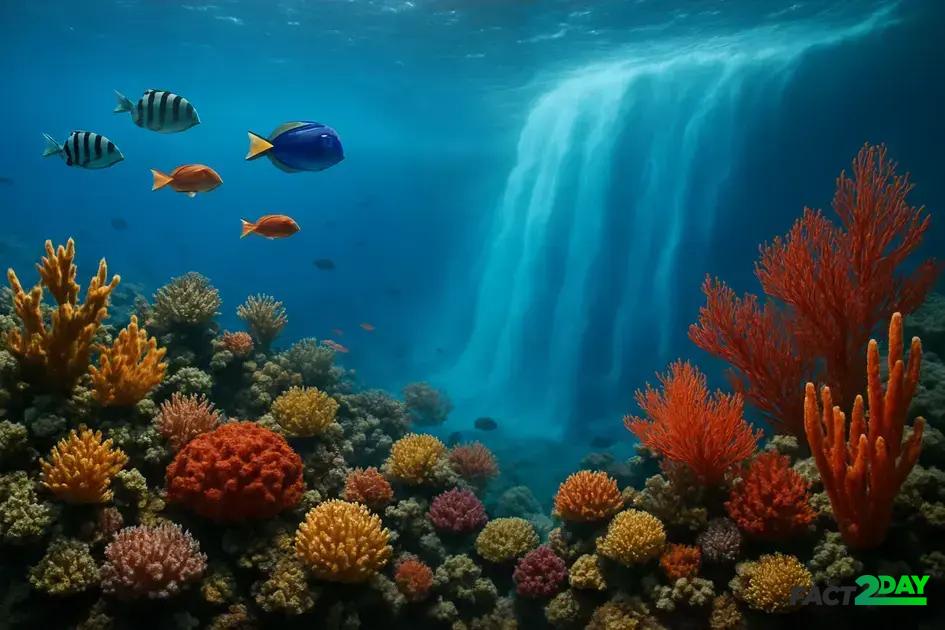
The underwater waterfall illusion occurs when dense, cold ocean water flows beneath lighter, warmer water over underwater slopes, creating the visual effect of a cascading waterfall beneath the sea surface.
Have you ever heard of the underwater waterfall illusion? It’s a mesmerizing ocean spectacle that looks like water flowing beneath the sea, inviting us to see the ocean in a whole new way. Let’s explore this natural wonder together.
what is the underwater waterfall illusion
The underwater waterfall illusion is a stunning optical phenomenon where it seems like a waterfall is flowing beneath the ocean’s surface. However, this is not an actual waterfall but a visual trick caused by the movement of water layers in the ocean. It happens when cold, dense water flows down a slope underwater, creating the appearance of water cascading down like a waterfall.
This illusion is primarily caused by the differences in water density, temperature, and sediment concentration. When these layers move at different speeds and directions, light bends in unexpected ways, creating the cascading effect visible from above the ocean surface or from the shoreline.
How the Illusion Works
Imagine warm, lighter water lying over colder, denser water that moves down an underwater slope. As the denser water pushes down and moves beneath the lighter water, the mixing and movement produce this mesmerizing visual spectacle.
It’s important to note that this is a unique natural event, not caused by waterfalls on land but by ocean dynamics. The underwater waterfall illusion captivates scientists, photographers, and curious observers alike.
how ocean currents create this visual effect
Ocean currents play a crucial role in creating the underwater waterfall illusion. These currents occur when different layers of water, varying in temperature and salinity, move at different speeds and directions. As heavier, colder water flows beneath lighter, warmer water, it travels down underwater slopes, mimicking the flow of a waterfall.
The Interaction of Water Layers
This movement causes a sharp contrast where the two water masses meet. The denser water often carries sediments, which make the division line more visible to the eye. When sunlight hits this boundary, the light refracts differently, enhancing the illusion of water falling over an edge underwater.
Strong currents and underwater slopes are essential for this effect. Areas with steep drop-offs or underwater cliffs increase the chance of seeing these dramatic flows. The visual spectacle is a direct result of nature’s fluid dynamics at work beneath the waves.
locations where you can witness the illusion
The underwater waterfall illusion can be seen in several unique locations around the world where ocean conditions create the perfect environment for this visual phenomenon. One of the most famous spots is off the coast of Mauritius, an island in the Indian Ocean. Here, sandy sediments and underwater cliffs combine with strong ocean currents to create the illusion.
Other Notable Locations
Besides Mauritius, similar effects occur in places like the Maldives, where clear waters and coral reefs enhance the visual contrast. Certain fjords in Norway offer similar underwater flows due to their steep underwater slopes and cold currents. Additionally, parts of Hawaii and the coast of Vancouver Island in Canada sometimes show signs of this effect.
Visiting these locations during calm seas and clear weather increases the chances of observing the illusion. Strong sunlight and good visibility help highlight the underwater layers and the waterfall-like motions beneath the ocean’s surface.
the role of water density and temperature
The density and temperature of water are key factors behind the underwater waterfall illusion. Water density changes with temperature and salinity; colder, saltier water is denser than warm, less salty water. This difference causes distinct layers to form in the ocean.
How Density Affects Water Movement
Denser water tends to sink, while lighter water rises. Along underwater slopes, cold, dense water flows downward beneath warmer water, creating a motion similar to a waterfall. This movement creates distinct layers that, when viewed from above, look like water falling underwater.
Temperature gradients also affect the speed and direction of currents. When cold and warm water meet, sharp boundaries form, making the flow more visible. These boundaries bend light differently, enhancing the waterfall illusion.
Understanding these physical properties helps explain why the illusion only appears in specific ocean conditions with the right temperature and density contrasts.
how marine life interacts with these ocean dynamics
Marine life often adapts to the unique ocean dynamics that create the underwater waterfall illusion. The movement of cold, dense water beneath warmer layers affects nutrient distribution, which impacts where fish and other marine creatures gather.
Effects on Marine Ecosystems
These dense water flows can carry nutrients from the deep ocean to shallower areas, supporting plankton growth. Plankton forms the base of the food chain, attracting small fish and, in turn, larger predators. This creates rich feeding grounds near underwater slopes where the illusion occurs.
Some species use the unique currents for migration or to find shelter. The mixing of water layers can create microhabitats with varying temperatures and salinity, allowing diverse creatures to thrive in close proximity.
Understanding these interactions helps marine biologists study ecosystem health and the effects of climate change on ocean currents and habitats.
photographing the underwater waterfall illusion
Photographing the underwater waterfall illusion requires the right conditions and techniques. Clear water and bright sunlight improve visibility, making the layers and movement of water easier to capture. Early morning or late afternoon often provide the best natural light for photography.
Essential Equipment and Settings
A drone or a camera with a good zoom lens is ideal for capturing the illusion from above. Using a polarizing filter helps reduce glare and enhances color contrast in the water. High shutter speed settings freeze the motion of water, highlighting the cascading effect clearly.
Stability is key, so consider using a tripod if shooting from a boat or shore. Patience is important, as the illusion depends on ocean currents and weather, which may change rapidly.
Post-processing can boost contrast and sharpness, helping the illusion stand out more dramatically in photographs. However, maintaining natural colors ensures authenticity of the scene.
scientific explanations behind the phenomenon
The underwater waterfall illusion can be explained through oceanographic science involving water density, light refraction, and underwater topography. This phenomenon occurs because of differences in water temperature and salinity, which create layers of varying density. The denser water moves downward along slopes under the lighter water, simulating a waterfall effect.
Density and Thermocline Layers
In oceans, the thermocline is a layer where water temperature changes rapidly with depth, separating warmer surface water from colder deep water. Because cold water is denser, it pushes beneath the warmer layers, flowing down steep underwater slopes.
This movement generates the illusion of water falling, but it is actually a horizontal flow influenced by gravity and the Earth’s rotation.
Light Refraction and Sediment
The contrast between water layers is enhanced by differences in sediment concentration. Suspended particles in denser water absorb more light, making it appear darker. Light bends differently as it passes through these layers, intensifying the waterfall appearance when viewed from above.
Underwater features such as cliffs and slopes help channel the flow, making the phenomenon visible to observers. Together, these scientific factors create the stunning visual effect called the underwater waterfall illusion.
the metaphorical meaning of waterfalls in the ocean
Waterfalls in the ocean, especially phenomena like the underwater waterfall illusion, carry deep metaphorical meanings. They often symbolize the hidden forces and mysteries beneath the surface of our world. While waterfalls on land represent power and constant flow, underwater waterfalls remind us of the unseen motions that drive life in the oceans.
Symbolism of Flow and Change
The continuous movement in these underwater falls reflects change and transformation, reminding us that beneath calm exteriors, dynamic forces are always at work. They symbolize resilience and the natural cycles of renewal.
For many, the underwater waterfall illusion also represents the boundary between the known and unknown, symbolizing the vast unexplored depths of the ocean and life itself.
This metaphor encourages curiosity and respect for nature’s hidden wonders and inspires a deeper connection with the environment.
Understanding the Underwater Waterfall Illusion
The underwater waterfall illusion is a fascinating natural phenomenon that reveals the hidden dynamics of our oceans. By exploring how different water layers and ocean currents interact, we gain a deeper appreciation of the forces shaping our planet’s waters.
From the role of water density and temperature to the impact on marine life and stunning photographic opportunities, this illusion connects science with beauty. It also invites us to reflect on the unseen mysteries beneath the waves and the ever-changing nature of our environment.
By learning about these ocean wonders, we open ourselves to curiosity and respect for the powerful processes at work in the world’s seas.