There Are Lakes at the Bottom of the Ocean
Underwater lakes reveal hidden aquatic worlds beneath the sea. Discover their mysteries and how they form in ocean depths.
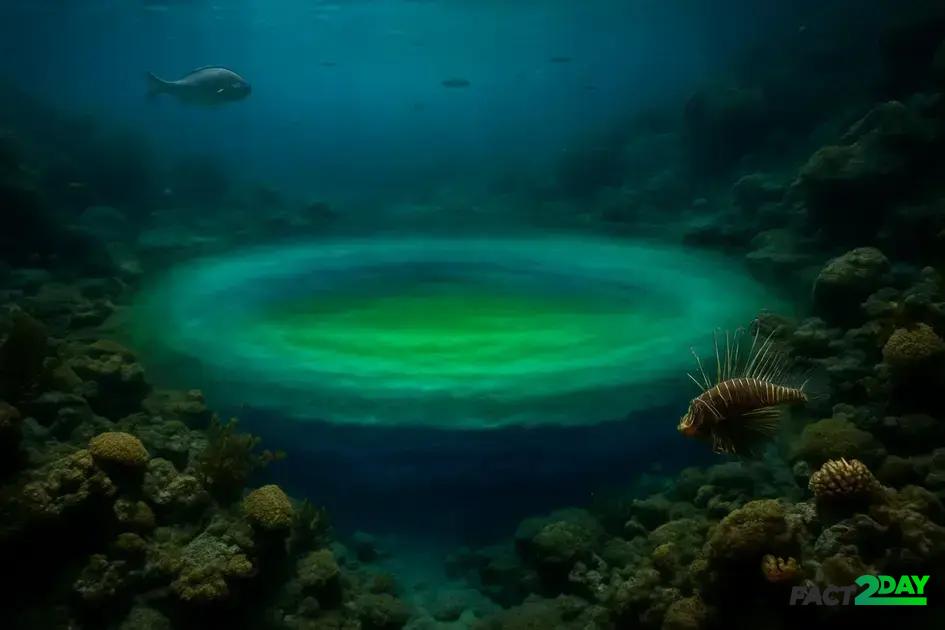
Underwater lakes are dense, mineral-rich water bodies on the ocean floor that form distinct layers due to differences in salinity and density, creating unique chemical environments that support specialized ecosystems and reveal key insights into Earth’s geology and marine life.
Have you ever wondered about the strange and surprising places water can hide? Underwater lakes exist far beneath the ocean surface, creating mysterious pockets that seem straight out of a sci-fi movie. Let’s dive into these unusual natural phenomena and see what makes them so fascinating.
what are underwater lakes and how do they form
Underwater lakes are unique bodies of water found on the ocean floor, distinct from the surrounding seawater. They form when dense, often salty or mineral-rich water collects in depressions on the seabed. This water is denser than the ocean water above, creating a lake-like layer that does not mix easily. These lakes often form because of underwater volcanic activity, salt deposits dissolving into the water, or trapped fluids escaping from the earth’s crust.
How They Form
One common way underwater lakes form is through the release of brine—very salty water—into specific areas. Because brine is much denser than regular seawater, it sinks and accumulates in underwater basins. Other underwater lakes develop near hydrothermal vents, where hot minerals and chemicals seep from beneath the earth’s surface and mix to create distinct water bodies.
Distinct Features
These lakes often have sharp boundaries and different chemical properties compared to the surrounding ocean. The strong density difference prevents mixing, which can create an environment rich in minerals like methane or hydrogen sulfide. This makes some underwater lakes hostile to most marine life but perfect habitats for specialized organisms.
the chemistry behind underwater lakes
The chemistry of underwater lakes is fascinating and quite different from the surrounding ocean. These lakes usually contain highly concentrated salts, minerals, or gases which make their water denser and chemically distinct. For example, many underwater lakes are rich in brine, a solution with a much higher salt concentration than typical seawater.
Different Chemical Properties
The differences in salinity, temperature, and mineral content create unique chemical layers. These layers prevent the underwater lake water from mixing with the ocean above. Some underwater lakes contain high levels of methane, hydrogen sulfide, or other chemicals released from Earth’s crust, creating extreme environments.
Effects on Marine Life
Such harsh conditions mean that most marine life cannot survive inside these lakes. However, special bacteria and microorganisms have adapted to thrive here by using chemicals like hydrogen sulfide for energy, similar to those found near hydrothermal vents. These organisms form the base of a unique ecosystem.
Scientific Importance
Studying the chemistry of underwater lakes helps scientists understand geochemical cycles and extreme habitats. It also provides clues about possible life in extreme environments beyond Earth.
locations where underwater lakes have been discovered
Underwater lakes have been discovered in various unique and extreme environments across the ocean floor. These locations usually feature geological or chemical conditions that allow denser water to accumulate and form distinct lakes beneath the sea.
Notable Locations
One famous site is the Black Sea, where underwater lakes formed due to high concentrations of salt and dense brine trapped in seafloor depressions. Another key location is the Gulf of Mexico, known for its several underwater brine lakes, including the Dark Lake, which contains extremely salty water that is much denser than surrounding seawater.
Hydrothermal Vent Areas
Underwater lakes are also found near hydrothermal vents, especially along mid-ocean ridges such as the East Pacific Rise. Here, hot mineral-rich fluids mix with cold seawater, creating pockets of distinct water that behave like lakes under the ocean.
Other Ocean Basins
Explorations in the Mediterranean Sea and off the coasts of continents have also revealed underwater lakes often rich in methane and other chemicals. These discoveries show how diverse underwater lakes can be, forming in varied seafloor landscapes worldwide.
how underwater lakes affect marine ecosystems
Underwater lakes create unique environments that can both challenge and support marine ecosystems in surprising ways. Because these lakes contain dense, often toxic water with high salt or chemical concentrations, they form natural barriers within the ocean that affect the movement of marine life and nutrients.
Impact on Marine Life
The dense water of these lakes is usually inhospitable for most fish and larger creatures. However, specialized bacteria and microorganisms thrive in the extreme conditions, forming the base of unique ecosystems. These organisms use chemicals like hydrogen sulfide or methane for energy, supporting a food web independent of sunlight.
Ecosystem Boundaries
Underwater lakes act as natural separators within marine habitats. Their distinct chemical layers prevent mixing, creating boundaries that affect species distribution. Some animals avoid these areas due to toxicity, while others may benefit from the rich minerals released in surrounding waters.
Influence on Nutrient Cycles
The chemicals released from underwater lakes contribute to nutrient cycling in the deep ocean. For instance, sulfur and methane emissions support chemosynthetic life forms, which in turn influence carbon and nitrogen cycles. This affects the overall health and balance of ocean ecosystems.
Understanding these impacts helps scientists better appreciate the complexity of ocean life and the role of underwater lakes in shaping marine biodiversity.
technology used to explore underwater lakes
Exploring underwater lakes requires advanced technology due to the extreme depths and challenging conditions of the ocean floor. Scientists use a variety of tools to study these unique features without disturbing their delicate environments.
Remotely Operated Vehicles (ROVs)
ROVs are robotic submarines equipped with cameras, sensors, and sampling tools. They can dive deep into the ocean, capturing detailed images and collecting water and sediment samples from underwater lakes. ROVs allow precise exploration while keeping humans safe from harsh conditions.
Autonomous Underwater Vehicles (AUVs)
AUVs operate without direct human control and can map underwater terrain accurately. They use sonar and other measurement tools to detect changes in water density and create detailed 3D maps of underwater lakes and surrounding areas.
Submersibles
Human-occupied submersibles can take researchers directly to the seafloor. These small manned submarines are designed to withstand high pressure and provide a close-up view of underwater lakes, allowing for firsthand observation and sample collection.
Sensors and Sampling Equipment
Advanced sensors measure temperature, salinity, pH, and chemical composition within underwater lakes. Water samplers and sediment corers help researchers analyze the unique properties and life forms in these isolated aquatic environments.
Innovations in technology continue to improve our ability to explore and understand the hidden world of underwater lakes.
future research and why underwater lakes matter
Future research on underwater lakes is crucial to unlock many scientific mysteries about our planet. These lakes provide valuable information about Earth’s geology, chemistry, and biology in extreme environments.
Understanding Earth’s Processes
Studying underwater lakes helps scientists learn more about geological activities like volcanic eruptions and tectonic shifts. These lakes act as natural laboratories for observing how chemicals and minerals move between Earth’s crust and the ocean.
Exploring Life in Extreme Conditions
The unique ecosystems in underwater lakes reveal how life can survive in harsh environments. This research could provide insights into possible life forms on other planets and extreme habitats on Earth.
Climate Change Indicators
Data collected from underwater lakes can help track changes in ocean chemistry and temperature over time. This information is valuable for understanding climate change and its impact on marine ecosystems.
Advancing Technology
Future exploration will drive innovation in underwater robotics, sensors, and sampling methods. Better technology means more precise data and safer exploration of these deep, inaccessible areas.
Why Underwater Lakes Matter
These underwater lakes are natural wonders that hold secrets about Earth’s past, present, and future. Understanding them helps protect marine environments, supports scientific discovery, and inspires curiosity about the hidden corners of our planet.
Understanding the significance of underwater lakes
Underwater lakes reveal a hidden world beneath the ocean that is both fascinating and important for science. They help us learn about Earth’s geology, extreme marine life, and climate changes.
Studying these lakes pushes technology forward and expands our knowledge of life in harsh environments. As research continues, we will uncover more secrets of these mysterious lakes, helping us better protect our oceans and appreciate the complexity of our planet.
Exploring underwater lakes not only fuels scientific discovery but also inspires curiosity about the unknown depths of the ocean, reminding us how much there is still to learn about our world.