Toxic Online Communities: Causes and Solutions
How Toxic Online Communities Form, Affect Mental Health, and What You Can Do About It
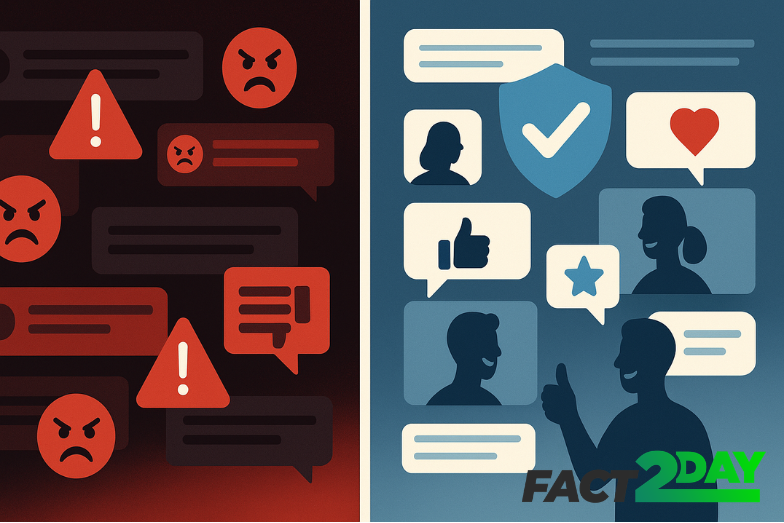
Have you ever wondered how toxic online communities form and why so much negativity seems to dominate some digital spaces? Let’s explore together what makes these environments so problematic and what we can do to deal with them.
What Are Toxic Online Communities?
Comunidades online tóxicas are groups or spaces on the internet where negative behaviors such as harassment, bullying, and hostility thrive. These communities often have an environment filled with disrespect, aggression, and harmful comments that affect the well-being of participants.
Members of toxic communities may use offensive language, spread misinformation, or exclude others, creating a hostile atmosphere. This behavior can escalate quickly because the internet allows anonymity, reducing accountability for harmful actions.
Key traits of toxic online communities
These communities usually display patterns like constant negativity, personal attacks, and an unwillingness to accept differing opinions. Instead of fostering healthy discussion, the focus is often on tearing down others or promoting conflict.
Understanding what makes an online space toxic is essential to protect yourself and others from its impact. Recognizing the signs helps users choose better platforms and encourages platforms to enforce rules that promote respect and safety.
Main Characteristics of Toxic Communities
Toxic online communities often share specific traits that make them harmful and difficult to engage with. One key characteristic is persistent negativity, where members consistently express hostility or dissatisfaction. This negativity often targets individuals, ideas, or groups unfairly.
Another common feature is frequent personal attacks. Instead of debating ideas or issues respectfully, participants may use insults, threats, or mocking language. These actions create an unsafe space and discourage open communication.
Exclusion and echo chambers
Toxic communities tend to exclude those who disagree or do not conform to the group’s norms. This exclusion can take the form of bullying, shaming, or ignoring dissent. As a result, these spaces become echo chambers—where only similar views are allowed, stifling diversity and constructive discussion.
High levels of misinformation also appear often. Rumors, false claims, and distorted facts circulate freely in toxic groups, worsening conflicts and misunderstandings.
Finally, these communities usually lack effective moderation. Without rules or enforcement, harmful behavior goes unchecked, allowing toxicity to grow.
How Digital Toxicity Affects Mental Health
Digital toxicity can have serious effects on mental health. When people are exposed to constant negativity, harassment, or bullying online, it can lead to feelings of stress, anxiety, and depression.
Experiencing toxic behavior repeatedly may lower self-esteem and cause emotional exhaustion. This impact can be especially strong for young people who spend significant time in online communities.
Emotional effects of online toxicity
Continuous exposure to harsh comments or threats often results in fear or withdrawal from social platforms. Sleep problems, irritability, and difficulty concentrating are common in those affected by digital hostility.
Victims may feel isolated or misunderstood, which increases the risk of long-term mental health issues. The anonymous nature of the internet sometimes makes it harder for people to seek support.
Recognizing these signs early helps individuals protect their mental well-being and seek help when necessary.
Warning Signs of Toxic Online Environments
Signs of toxic environments on online platforms often appear through behaviors and patterns that negatively impact users. One common sign is a frequent presence of aggressive language, insults, or personal attacks in conversations or comments.
Another alert is when users face constant bullying or exclusion based on their opinions, identity, or background. This often creates fear of participation or sharing thoughts openly.
Indicators to watch for
High levels of drama and conflict, where disagreements quickly escalate into arguments, can show toxicity. Also, communities where misinformation spreads without challenge may be toxic.
Weak or lack of moderation is a clear warning. Without rules or enforcement, harmful behaviors persist unchecked.
Pay attention to environments where users feel unsupported or afraid to report issues, as these often continue to foster negativity.
The Difference Between Constructive Criticism and Toxicity
Constructive criticism aims to help and improve, focusing on specific actions and offering solutions. It is respectful and encourages growth by pointing out areas for improvement without attacking the individual.
Toxicity, on the other hand, often involves personal attacks, sarcasm, or insults. It aims to belittle or hurt rather than support progress. Toxic comments usually lack clear, helpful feedback and focus on negativity.
How to recognize constructive criticism
It is usually clear, polite, and specific. For example, instead of saying “Your work is bad,” constructive criticism would say, “You could improve this section by adding more examples.” It encourages dialogue and improvement.
Toxic comments tend to be vague, harsh, and dismissive. They may include name-calling, exaggeration, or persistent negativity that discourages change.
Understanding this difference helps maintain a healthy online community where users feel safe to share and learn.
The Impact of Toxic Communities in Online Gaming
Toxic communities in online gaming create a hostile environment that affects players’ enjoyment and well-being. These spaces often feature rude language, cheating accusations, and aggressive behavior that can ruin the gaming experience.
Players may feel pressured or stressed due to constant negativity, leading some to quit games or avoid online interactions. This toxicity can also discourage new players from joining communities.
Effects on teamwork and communication
In team-based games, toxic behavior damages cooperation and strategy. When players insult or blame each other, it reduces trust and makes it harder to win or enjoy matches.
Harassment and bullying are common, especially against minorities or less skilled players. Toxic players often target others based on gender, race, or skill level, causing emotional harm.
Game developers face challenges in moderating these communities and must balance freedom of speech with protection against abuse.
How Anonymity Fuels Toxic Behavior
Anonymity on the internet often allows people to act without facing real consequences. This lack of accountability can encourage toxic behaviors such as trolling, harassment, and offensive language.
When users cannot be identified, they feel freer to express anger or hatred without fear of punishment. This sometimes leads to more extreme or aggressive comments than in real-life interactions.
The dark side of anonymity
Anonymous platforms can create a sense of detachment where empathy decreases. Without knowing who is on the other side, users may forget the impact of their words, leading to harmful exchanges.
Toxic behavior then spreads quickly and can escalate if others join in, feeling protected by their own anonymity.
However, some anonymous spaces also serve important purposes, such as allowing people to share sensitive information safely. Yet balancing anonymity and community safety remains a challenge for online platforms.
The Role of Moderators and Community Policies
Moderators play a crucial role in maintaining a healthy online community by enforcing rules and guiding discussions. They review content, manage conflicts, and remove harmful posts to prevent toxic behavior from spreading.
Effective community policies clearly define acceptable behavior and consequences for violations. These rules help set expectations and promote respect among members.
Responsibilities of moderators
Moderators act as guardians by monitoring activity, responding to complaints, and offering support to users who experience harassment. They also encourage positive interactions and foster a welcoming environment.
Community guidelines typically include bans on hate speech, threats, and spam. Transparent policies and consistent enforcement help build trust between users and platform managers.
Without active moderation and clear policies, toxic behavior can escalate unchecked, damaging the community’s overall health and user experience.
Strategies to Deal with Online Negativity
Dealing with online negativity requires practical strategies to protect your mental health and maintain a positive experience. One effective approach is to limit exposure by using blocking and muting features to avoid toxic users.
Another key strategy is to engage selectively. Responding only to constructive comments helps reduce stress and avoid escalation.
Healthy online habits
Setting boundaries on the time spent on social media or forums can prevent burnout. Taking breaks from digital spaces allows you to recharge and gain perspective.
Building a supportive network by connecting with positive communities can counterbalance the effects of negativity. Sharing experiences with trusted friends or support groups offers emotional relief.
Finally, reporting harmful behavior to platform moderators helps maintain safer environments for everyone.
How to Recognize and Avoid Toxic Traps
Recognizing toxic traps online is crucial to protect yourself from harmful interactions. Common signs include people who consistently provoke arguments, spread rumors, or use manipulative language.
Pay attention to patterns like repeated negativity, attempts to shame or guilt users, and groups that isolate members from other viewpoints.
Strategies to avoid toxic traps
Set clear personal boundaries and do not engage with users who provoke or harass. Learning to identify gaslighting and other manipulative tactics can help you stay safe.
Use platform tools such as blocking, muting, or reporting to limit contact with toxic individuals. Surround yourself with positive, supportive communities that encourage healthy dialogue.
Develop awareness of your emotional responses when online, and take breaks when needed to maintain mental well-being.
Positive Communities as a Healthy Alternative
Positive communities online offer a healthy alternative to toxic spaces by promoting respect, support, and constructive dialogue. These communities encourage members to share ideas safely and learn from each other without fear of judgment or hostility.
They usually have clear guidelines that foster inclusivity and kindness, helping users feel welcome and valued.
Benefits of positive online communities
Members often experience improved mental well-being due to supportive interactions and reduced stress. These spaces inspire collaboration, creativity, and personal growth.
Moderation and active participation are key elements. Skilled moderators help maintain a positive environment by preventing negative behaviors and encouraging meaningful conversations.
Joining or building these communities can help individuals escape toxicity and enjoy a more rewarding online experience.
The Influence of Social Media on the Spread of Toxicity
Social media platforms play a significant role in spreading online toxicity. Their design often encourages rapid sharing and emotional reactions, which can amplify negative content quickly.
The use of algorithms prioritizing engaging posts sometimes favors sensational or controversial material, fueling conflict and hostility.
How toxicity spreads on social networks
Users may join groups or pages that reinforce negative views, creating echo chambers where toxic ideas grow unchecked. The sheer volume of content and lack of strict moderation make it difficult to control harmful behavior.
Anonymity and distance provided by social media also contribute by lowering empathy and increasing reckless comments.
Understanding this influence is essential to developing better tools and habits to minimize exposure and encourage positive interactions.
How Technology Can Help Reduce Online Toxicity
Technology offers powerful tools to reduce online toxicity and promote healthier digital spaces. Automated moderation systems use artificial intelligence to detect and remove harmful content quickly.
Machine learning algorithms scan posts for offensive language, hate speech, or bullying behavior, flagging or blocking them before they spread.
Role of AI and technology in combating toxicity
AI-driven chatbots and filters help moderate large communities by supporting human moderators and easing their workload.
Real-time monitoring tools track patterns of abusive behavior, enabling platforms to take action proactively.
Technology also offers users tools to customize their experience, such as muting, blocking, and content filtering, empowering individuals to control the toxicity they encounter.
While technology alone can’t solve toxicity, it plays an essential role when combined with good community management and user education.
The Future of Online Communities and Fighting Negativity
The future of online communities depends largely on effective strategies to fight negativity and promote respect. As technology evolves, new tools will help detect and reduce toxic behavior with greater accuracy and speed.
More platforms are expected to implement advanced AI moderation combined with human oversight to balance free speech and safety. This will help create spaces that encourage positive interactions.
Trends shaping future online communities
Greater emphasis will be placed on education and awareness to teach users about digital etiquette and the impact of their actions. Communities will likely adopt clearer and more transparent rules that promote inclusivity.
Users may gain more control over their experience through customizable filters and settings that block unwanted content.
Collaborative efforts between users, developers, and researchers will be essential to build healthier digital environments where everyone can participate without fear of abuse.
Final thoughts on managing online toxicity
Understanding online toxicity and its impact helps us protect our mental health and build better digital spaces. By recognizing harmful behaviors and using effective strategies, we can reduce negativity and promote respectful interactions.
Technology, clear community rules, and active moderation play key roles in creating safe environments. Positive communities offer support and encourage healthy conversations that benefit everyone.
Looking ahead, combining advanced tools with user education will be essential to fostering welcoming and inclusive online spaces where people feel respected and valued.