Crossroads of Civilization: How the Silk Road Forged a Tapestry of Cultures, Ideas, and Innovation
Explore The Silk Road Cultural Exchange to uncover how this ancient trade route connected worlds, blending cultures, ideas, and innovation across continents.
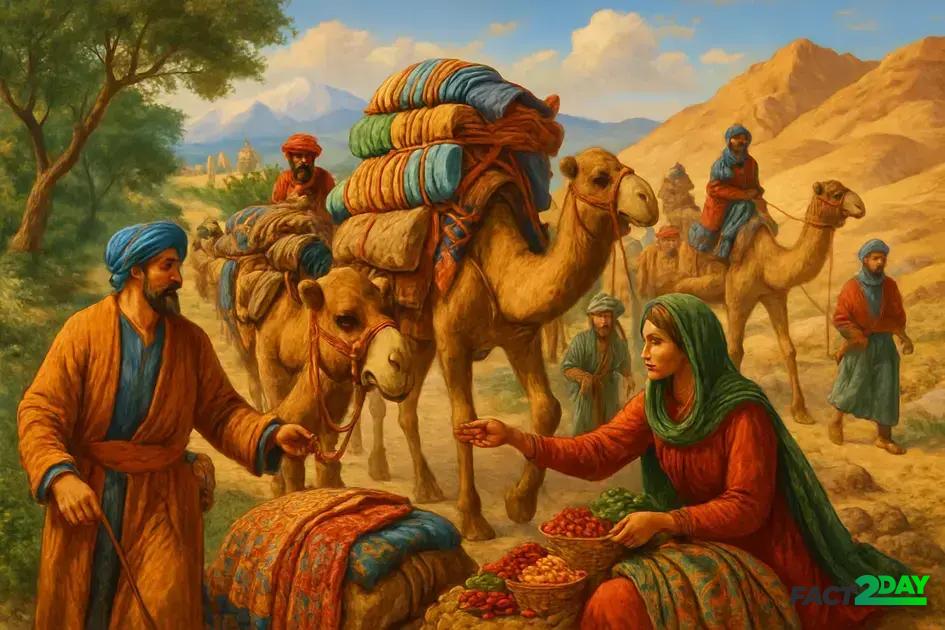
The Silk Road facilitated extensive cultural, technological, and economic exchanges that shaped civilizations and continue to influence global connections and cooperation today.
Have you ever wondered how ideas, cultures, and innovations traveled long before airplanes? The The Silk Road Cultural Exchange is a fascinating journey of connections between civilizations. Let’s discover how centuries of commerce wove a rich tapestry that still inspires us today.
Origins of the Silk Road and its early significance
The Silk Road began over 2,000 years ago as a network of trade routes connecting East Asia with the Mediterranean. It was not a single road but a series of paths that allowed merchants to exchange goods, culture, and ideas. Originating during the Han Dynasty in China, this network quickly grew to become vital for economic and cultural links between distant civilizations.
Early significance of the Silk Road lay in its ability to facilitate the exchange of valuable commodities like silk, spices, precious metals, and other luxury items. Traders, travelers, and diplomats used these routes, often crossing harsh deserts and rugged mountains to reach new markets.
The Silk Road was also crucial in opening up communication between the East and West, enabling the spread of religions such as Buddhism, Christianity, and Islam. It fostered early diplomatic relations and cultural understanding between diverse peoples, creating a foundation for global interconnectedness long before modern globalization.
Through these early exchanges, the Silk Road helped lay the groundwork for advances in technology, art, and science, influencing civilizations across continents.
Key goods traded along the Silk Road
The Silk Road was famous for trading a wide range of valuable goods that connected East and West. One of the most sought-after items was silk from China, which gave the route its name. This luxurious fabric was highly prized in Europe and the Middle East for its smooth texture and appearance.
Besides silk, spices such as cinnamon, pepper, and cloves traveled thousands of miles, enriching cuisines across continents. Traders also exchanged precious metals like gold and silver, along with gems and jewelry.
Other important goods included tea, paper, glassware, and ceramics. These items not only fueled economies but also inspired artistic and technological creativity in different cultures.
The exchange wasn’t limited to physical goods; it also included knowledge of medicine, astronomy, and mathematics. This transfer helped advance civilizations along the route.
Cultural diffusion through the Silk Road
The Silk Road was not just a trade route for goods but also a powerful corridor for cultural diffusion. It connected a variety of civilizations, allowing them to share languages, beliefs, art, and customs across great distances. This exchange shaped the identities of many societies.
Religious ideas like Buddhism traveled from India to China, transforming spiritual practices along the way. Similarly, Christianity and Islam spread along the route, creating religious diversity in cities and towns.
Art styles and techniques blended as artisans from different regions influenced each other. For example, motifs from Persian art appeared in Chinese ceramics, and Central Asian music influenced instruments used across Asia and Europe.
Languages mixed and evolved, with trade languages and scripts emerging to facilitate communication between diverse peoples. This created a rich tapestry of cultural interaction that sparked innovation and mutual understanding.
Religious influences spread by the Silk Road
The Silk Road served as a major pathway for the spread of many religions, deeply influencing the spiritual landscape of connected regions. Buddhism traveled from India to East Asia, shaping cultures in China, Korea, and Japan through temples and teachings.
Christianity, especially the Nestorian branch, reached parts of Central Asia and China, where it mingled with local beliefs and traditions. Islam spread rapidly through trade and conquest, impacting vast areas from the Middle East to Central Asia.
The exchange of religious ideas led to the building of diverse places of worship along the route, including monasteries, churches, and mosques. These places became centers of knowledge and cultural blending.
Religious art, texts, and rituals moved across borders, inspiring cross-cultural dialogue and coexistence. The Silk Road’s role as a conduit for religious dissemination helped create a rich mosaic of faith and philosophy across continents.
Silk Road’s impact on language and art
The Silk Road shaped language and art by blending diverse cultures along its routes. Traders and travelers spoke different tongues, which led to the creation of trade languages and scripts to ease communication. This interchange helped languages evolve and borrow vocabulary from one another.
Artistic styles also mixed, as craftsmen shared techniques and inspirations. Central Asian motifs appeared on Chinese silk, while Persian designs influenced pottery and textiles. This fusion created unique art forms that reflected the rich cultural diversity of the Silk Road.
Manuscripts and calligraphy spread ideas and religions, often decorated with intricate illustrations. The exchange of art and language not only enriched cultures but also helped preserve traditions and history for future generations.
Technological innovations exchanged on the Silk Road
The Silk Road was a major channel for the exchange of technological innovations that transformed societies across continents. One of the most famous inventions spread along the route was papermaking from China, which revolutionized how knowledge was recorded and shared.
Gunpowder also traveled westward, eventually changing the nature of warfare in Europe and Asia. Alongside these, the Silk Road facilitated the spread of the compass, improving navigation for merchants and explorers.
Other technologies like textile weaving, glassmaking, and medicine advanced as ideas and methods moved through the trade network. These innovations helped boost economies and cultural achievements worldwide.
Trade on the Silk Road was not just about goods; it was a bridge for ideas and inventions that shaped the future of many civilizations.
The role of cities along the Silk Road
Cities along the Silk Road played a crucial role as hubs of trade, culture, and innovation. These urban centers acted as meeting points for merchants, travelers, and diplomats from different regions, fostering the exchange of goods and ideas.
Major cities like Samarkand, Kashgar, and Baghdad grew wealthy from their strategic positions, offering marketplaces, inns, and services for caravans. They were melting pots where diverse languages and cultures mixed.
Alongside commerce, these cities became centers for learning and religion. Libraries and schools flourished, preserving knowledge in science, medicine, and philosophy. Religious buildings reflected the variety of faiths introduced through the Silk Road.
The prosperity and cultural diversity of these cities strengthened the Silk Road, making them essential to the network’s success and legacy.
Food and culinary exchanges
The Silk Road was a vital route for the exchange of food and culinary traditions, introducing new flavors and cooking techniques across vast regions. Spices like cinnamon, pepper, and saffron traveled from Asia to Europe, transforming local dishes and cuisines.
Fruits such as pomegranates, melons, and apricots were shared along the route, enriching diets in many cultures. The Silk Road also spread staples like rice and noodles, which became essential foods in various regions.
Cooking methods and recipes evolved as people adopted new ingredients. For example, the art of stir-frying in China influenced other cooking styles, while bread-making techniques spread westward.
Culinary exchange along the Silk Road not only improved nutrition but also built cultural bridges by bringing people together over shared meals and flavors.
Silk Road’s influence on political alliances and diplomacy
The Silk Road was more than just a trade route; it also played a key role in shaping political alliances and diplomacy across continents. Empires and kingdoms used the route to establish and maintain connections with distant powers, fostering cooperation and mutual interests.
Through the Silk Road, rulers exchanged gifts, envoys, and information, which helped secure peace treaties and trade agreements. These diplomatic exchanges often created strategic partnerships that enhanced security and economic stability.
Envoys traveling the route carried news, cultural knowledge, and political messages, acting as early diplomats. This network encouraged dialogue and understanding among diverse peoples and helped reduce conflicts along the route.
The Silk Road thus served as a vital artery for both commerce and international relations, shaping political landscapes and supporting peaceful coexistence over centuries.
The decline of the Silk Road and its reasons
The decline of the Silk Road was caused by multiple factors that diminished its importance over time. One major reason was the rise of maritime trade routes, which became faster and safer for large shipments. This shift reduced reliance on overland paths.
Political instability also played a key role. The fragmentation of empires and frequent conflicts in Central Asia disrupted the safe passage of traders and caravans. Banditry and wars made traveling the Silk Road dangerous, discouraging commerce.
Additionally, the collapse of major empires that once protected the trade routes led to less centralized control and infrastructure decay. The Black Death pandemic further devastated populations and trade during the late Middle Ages.
As a result, the Silk Road gradually lost its role as the central artery of international trade, though its cultural and historical impact remains significant.
Modern cultural connections tracing back to the Silk Road
Modern cultural connections often trace their roots back to the historic Silk Road, which wove together diverse peoples and traditions. Today, cities and countries along the ancient route celebrate this shared heritage through festivals, art, and cooperation.
Globalization has revived interest in the Silk Road’s legacy, inspiring initiatives such as China’s Belt and Road Initiative, which aims to rebuild trade and cultural ties. These efforts highlight the continuing importance of cross-cultural exchange.
The revival also promotes understanding through tourism, academic research, and partnerships, fostering dialogue among nations that once shared this vast network.
Modern foods, languages, and crafts still show the imprint of Silk Road interactions, proving that this ancient route continues to influence and unify cultures across continents.
Stories of explorers and traders
The Silk Road was filled with fascinating stories of explorers and traders who braved long and dangerous journeys to connect distant lands. Famous travelers like Marco Polo documented their adventures, sharing vivid accounts of exotic places, cultures, and goods.
Merchants carried valuable commodities like silk and spices while navigating deserts, mountains, and political uncertainties. Their systems of communication and negotiation were essential for successful trade.
Many travelers served as cultural ambassadors, introducing ideas, technologies, and religions to new regions. Their stories reveal human resilience and curiosity, highlighting the Silk Road as a bridge that united diverse civilizations.
These accounts continue to inspire modern explorers and historians who seek to understand the rich history of cross-cultural exchange.
The Silk Road’s legacy in today’s globalized world
The Silk Road’s legacy continues to influence today’s globalized world by illustrating the power of interconnected economies and cultures. It set early examples of international trade, diplomacy, and cultural exchange that remain relevant.
Modern trade routes and global markets draw inspiration from the Silk Road’s network, promoting cooperation and shared growth among nations. Its historical importance encourages efforts to strengthen cultural understanding and economic partnerships worldwide.
Technological advances in communication and transportation echo the Silk Road’s role in connecting distant regions, facilitating the rapid spread of ideas and goods.
The Silk Road reminds us that global progress depends on collaboration, openness, and respect for diverse cultures, making it a powerful symbol for the 21st century.
How the Silk Road inspired modern cultural and economic exchange
The Silk Road inspired modern cultural and economic exchange by demonstrating the benefits of connecting diverse peoples and markets. It showed how trade routes could foster not just the movement of goods but also ideas, technology, and culture.
Today’s global trade networks and cultural partnerships echo the Silk Road’s legacy, encouraging collaboration among countries. The exchange of products now includes technology, services, and knowledge, creating a more interconnected world economy.
Cultural festivals, educational programs, and artistic collaborations trace inspiration back to the Silk Road’s spirit of openness and dialogue.
The Silk Road reminds us that fostering strong relationships, respecting diversity, and encouraging exchange are key to progress and innovation.
Bridging the Past and the Present
The Silk Road was more than just a trade route; it was a powerful connection that united cultures, ideas, and innovations for centuries. Its legacy still shapes our global interactions today, reminding us of the value in sharing knowledge and embracing diversity.
By understanding the rich history of the Silk Road, we appreciate how collaboration across borders can lead to progress and peace. This ancient network teaches us that lasting success comes from openness, respect, and the exchange of goods and ideas.
As we move forward in a connected world, the lessons of the Silk Road inspire us to build bridges that bring people and cultures closer together.