Beyond Sweet and Salty: Unlocking the Fifth Taste – The Science of Umami and Its Culinary Secrets
Explore The Science of Umami, the fifth taste that transforms cooking with rich, savory flavors and culinary magic. Discover its secrets today.
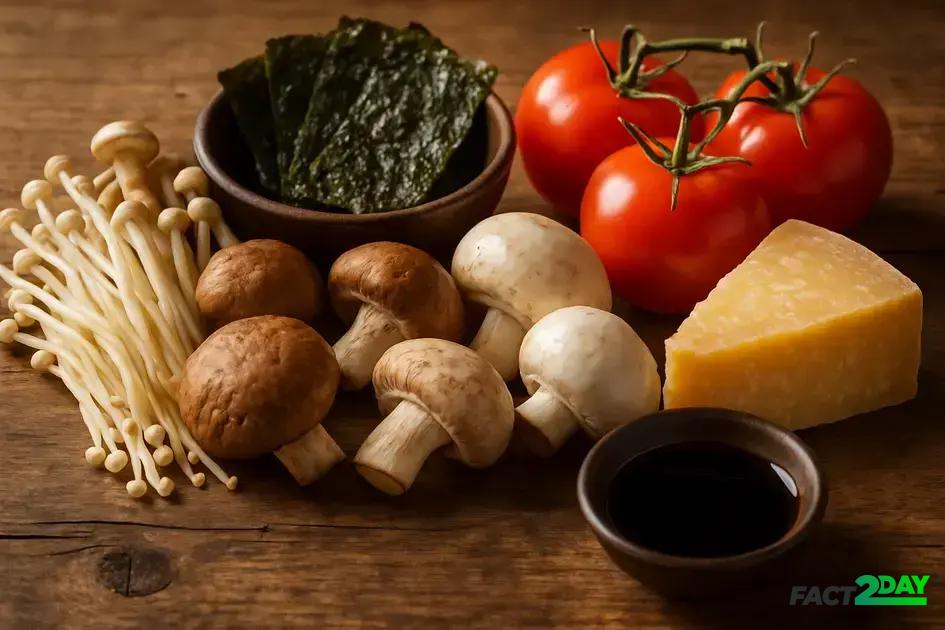
The Science of Umami explains umami as the fifth basic taste driven by glutamate and nucleotides, enhancing food flavors and shaping culinary traditions worldwide through natural ingredients and innovative cooking techniques.
Have you ever wondered about the mysterious taste that goes beyond sweet and salty? The Science of Umami unveils this savory sensation that adds depth to our meals. Let’s explore what makes umami so captivating and its culinary secrets.
what is umami and how was it discovered
Umami is recognized as the fifth basic taste, distinct from sweet, salty, sour, and bitter. It represents a rich, savory flavor often described as meaty or brothy. The term “umami” comes from the Japanese word meaning “pleasant savory taste.”
The discovery of umami dates back to 1908 when Japanese scientist Kikunae Ikeda noticed this unique taste while tasting dashi, a traditional Japanese broth. He identified glutamate, an amino acid, as the compound responsible for umami. This discovery expanded our understanding of taste beyond the classical four categories.
Later research found that umami taste is triggered by specific molecules like glutamate and nucleotides such as inosinate and guanylate. These compounds are naturally present in foods like seaweed, tomatoes, mushrooms, and aged cheeses.
The uniqueness of umami
Unlike other tastes, umami enhances the overall flavor of food by increasing salivation and creating a lasting taste sensation. It also tends to heighten other flavors, making dishes taste fuller and more balanced. This property is why chefs worldwide consider umami a key element in creating delicious meals.
the chemical basis behind umami taste
The chemical basis behind umami taste lies in specific molecules that activate taste receptors on the tongue. The key compounds responsible are glutamate, an amino acid, and nucleotides like inosinate and guanylate. These substances interact synergistically to produce the distinct savory sensation known as umami.
Role of glutamate
Glutamate is naturally present in many protein-rich foods such as meat, cheese, and certain vegetables. It binds to specialized taste receptors, called metabotropic glutamate receptors (mGluRs), signaling the brain to recognize the umami flavor. This amino acid gives food a rich, satisfying taste without sweetness, sourness, bitterness, or saltiness.
Nucleotides enhance umami
Inosinate and guanylate, found in ingredients like dried fish and mushrooms, act as enhancers by amplifying glutamate’s flavor. When present together, these molecules create a stronger and longer-lasting umami taste compared to glutamate alone.
Umami receptors and taste perception
Recent studies identified specific receptors on our taste buds that respond to these umami compounds. This discovery proved that umami is a distinct taste, biologically different from the traditional four tastes. The interaction between these chemicals and receptors is what makes umami unique and essential in culinary experiences around the world.
how umami influences our perception of food
Umami plays a crucial role in how we perceive and enjoy food. It enhances the depth and richness of flavors, making dishes taste more satisfying and complete. This savory taste triggers saliva production, which helps dissolve flavors and spread them evenly across the palate.
Impact on flavor balance
Umami acts as a natural flavor enhancer, balancing sweetness, saltiness, sourness, and bitterness. It creates a more harmonious taste experience by masking undesirable flavors and highlighting the good ones. This is why adding umami-rich ingredients can transform simple meals into complex and enjoyable dishes.
Umami and sensory experience
When umami is present, it stimulates taste receptors uniquely, causing a lingering, mouth-watering sensation that encourages us to eat more. This effect also influences texture perception, making foods feel richer and more velvety in the mouth.
Psychological influence of umami
Studies suggest that umami can trigger feelings of comfort and satisfaction, linking this taste to positive emotional responses. This is partly why umami-rich foods like broths and aged cheeses are often associated with comfort meals and social bonding.
key ingredients that embody umami flavor
Several key ingredients are famous for embodying the rich and savory umami flavor. These foods naturally contain high levels of glutamates and nucleotides, which activate umami taste receptors and enhance the depth of flavor in dishes.
Seaweed and kelp
Seaweed, especially kombu, is a traditional source of umami in Japanese cuisine. It contains large amounts of glutamate and is often used to make dashi broth, a foundation in many soups and sauces.
Mushrooms
Varieties like shiitake and porcini have strong umami flavors due to their high guanylate content. They add earthy, savory notes to dishes and are commonly used in both fresh and dried forms for cooking.
Aged cheeses
Cheeses such as Parmesan and Roquefort develop umami compounds through the aging process. These cheeses contribute a complex, savory taste that enhances pasta, sauces, and more.
Fermented products
Items like soy sauce, miso, and fish sauce are fermented to amplify umami through the breakdown of proteins. They are staple ingredients in many Asian cuisines, providing deep flavor layers.
Tomatoes and meat
Ripe tomatoes have natural glutamates, giving a sweet and savory balance. Meats, especially aged or slow-cooked, provide inosinate that lifts umami taste, enriching broths, stews, and grilled dishes.
Other notable sources
Foods like anchovies, cured meats, and sea urchin also contribute strong umami notes and are valued for their ability to intensify flavors in recipes.
culinary techniques to enhance umami in cooking
Various culinary techniques can be used to enhance umami flavors, making dishes richer and more appetizing. Understanding these methods helps cooks maximize the savory depth of their food.
Slow cooking and braising
Cooking foods slowly over low heat breaks down proteins and releases glutamates and nucleotides. This process intensifies umami, especially in meats, stocks, and stews, making flavors more concentrated.
Fermentation
Fermentation transforms ingredients by breaking down proteins and sugars, producing umami-rich compounds. Foods like miso, soy sauce, and cured meats use fermentation to develop deep, complex flavors.
Drying and aging
Drying techniques, such as curing meats or drying mushrooms, concentrate umami compounds by removing moisture. Aging cheese also enhances umami as proteins break down into savory amino acids.
Roasting and caramelization
Applying dry heat causes the Maillard reaction, which creates new flavor compounds that enhance umami. Roasted vegetables, grilled meats, and caramelized onions benefit from this technique.
Combining umami-rich ingredients
Using multiple umami ingredients together—such as tomatoes, cheese, and anchovies—in a dish leads to a synergistic effect, boosting overall umami perception.
Use of broths and stocks
Broths made from bones, meat, or seaweed are packed with umami and add savory depth as a base for soups, sauces, and risottos.
umami’s role in global cuisines
Umami plays a vital role across many global cuisines, adding depth and savoriness that enhances traditional dishes. Its presence is found in food from Asia to Europe and beyond, shaping flavors in distinctive culinary traditions.
Asian cuisines
In Japanese cooking, umami is central with ingredients like soy sauce, miso, and dashi broth made from kombu seaweed. Chinese cuisine uses fermented products and dried seafood to elevate umami, while Korean dishes often include fermented sauces such as gochujang and doenjang.
European influence
Europeans enjoy umami through aged cheeses like Parmesan, cured meats such as prosciutto, and tomato-based dishes. Italian, French, and Spanish cuisines rely heavily on umami-rich ingredients to create complex, layered flavors.
Southeast Asian flavors
Thai and Vietnamese dishes use fish sauce and shrimp paste, both rich sources of umami, which intensify the overall taste profile. These ingredients are essential in balancing sweet, sour, and spicy elements in their recipes.
American fusion
Modern American cuisine often blends umami sources from various cultures, using mushrooms, soy, fermented condiments, and aged meats to create innovative, flavorful meals.
Umami in everyday cooking
Across the world, home cooks use simple techniques like slow cooking, fermenting, and aging to boost umami flavors and transform everyday meals into savory delights.
the future of umami in food innovation
The future of umami in food innovation looks promising as scientists and chefs explore new ways to harness this unique taste to improve flavor and nutrition. Advances in food technology are helping create umami-rich products that cater to modern diets and preferences.
Artificial umami enhancers
Researchers are developing natural and synthetic compounds that mimic umami flavors. These enhancers can reduce the need for salt and fat in processed foods, making them healthier without sacrificing taste.
Plant-based umami sources
With growing demand for plant-based diets, scientists are identifying and amplifying umami compounds in vegetables, fungi, and seaweed. These ingredients help create savory, satisfying alternatives to meat and dairy.
Fermentation technology
Innovations in fermentation are producing new umami-rich products faster and on a larger scale. This includes novel soy sauces, miso, and fermented plant proteins designed to enhance flavor profiles in creative ways.
Personalized taste experiences
Future food innovation may also focus on tailoring umami levels to individual preferences using AI and biotechnology. This personalization can enhance enjoyment and encourage healthier eating habits.
Umami in sustainable food systems
By using umami to improve the flavor of alternative proteins and developed ingredients, the food industry aims to reduce environmental impact and support sustainable agriculture.
Embracing the Power of Umami
Umami is more than just the fifth taste; it plays a vital role in enriching flavors and making food more enjoyable. From natural ingredients to advanced food innovations, umami continues to shape the way we cook and eat.
As science uncovers new umami sources and techniques, chefs and food developers have exciting opportunities to create tastier and healthier meals. Whether through traditional methods or cutting-edge technology, umami is set to remain a key player in global cuisine for years to come.
Exploring and understanding umami can elevate your cooking and help you appreciate the complex world of flavors in every bite.