Beyond Sweet and Sour: The Hidden Science of How We Really Taste
The science of taste perception uncovers how our senses reveal flavors beyond the familiar sweet and sour, inviting a richer tasting experience.
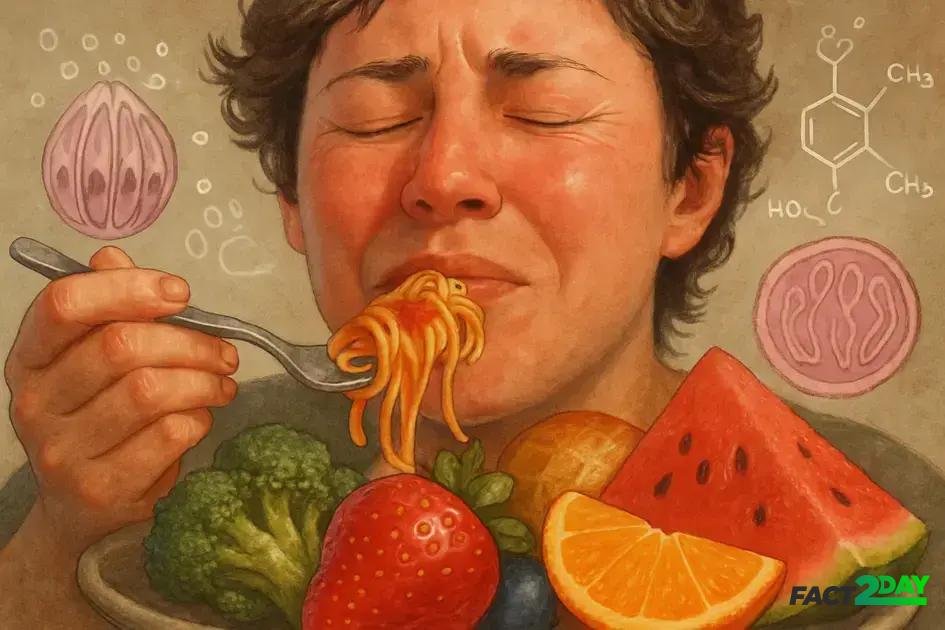
The science of taste perception explores how taste buds, aroma, and genetics interact to shape individual flavor experiences beyond basic tastes like sweet and sour.
The science of taste perception goes far beyond simply sweet or sour. Have you ever wondered why some flavors captivate while others don’t? Let’s explore what truly shapes our tasting experiences.
how our taste buds decode flavor
Our tongue is covered with thousands of taste buds, each containing specialized cells that detect different flavors. These cells send signals to the brain, which then interprets them as distinct tastes like sweet, salty, bitter, sour, or umami. Taste buds work together with our olfactory system to create a full flavor experience.
Each taste bud can sense multiple taste types, and as you eat, varying combinations of flavors activate different receptors. This complex system allows us to enjoy a wide array of foods and detect subtle differences.
How taste signals are processed
When flavor molecules bind to receptors on the taste buds, they trigger electrical impulses. These impulses travel through nerves to the brain’s gustatory cortex, where they are decoded. This process explains why the same food can taste different under various conditions, such as when you have a cold.
Understanding this biochemical process helps researchers develop better food products and flavor enhancers. It also sheds light on why some people have heightened or reduced taste sensitivity due to genetics or health conditions.
the role of aroma in taste perception
The sense of smell plays a crucial role in how we perceive taste. When we eat, molecules from food travel to the olfactory receptors in the nose, combining with signals from taste buds to create the full flavor experience. This connection is why food often tastes bland when we have a cold or nasal congestion.
The link between aroma and flavor
Aroma enhances and defines taste by adding layers of complexity. While taste buds detect basic tastes, aromas contribute details like fruitiness, spiciness, or nuttiness. This combination allows us to distinguish between similar foods and enjoy a wide variety of flavors.
Scientists call this process retronasal olfaction, where smells are sensed from the back of the throat as we chew and swallow. It’s a key reason why wine tasting involves both smell and taste.
Understanding aroma’s role helps food producers and chefs create richer and more appealing dishes. It also explains why certain smells can trigger memories or emotions, deepening our sensory experience with food.
why genetics influence what we enjoy tasting
Genetics play a significant role in shaping our taste preferences. Variations in certain genes affect how sensitive we are to different flavors, like bitterness or sweetness. For example, some people have a gene that makes bitter tastes, such as those in broccoli or coffee, more intense and unpleasant.
How genetics alter taste sensitivity
Specific genes influence taste receptor function. Differences in these genes can lead to heightened or reduced sensitivity to tastes. This explains why one person’s favorite food might be disliked by another.
Research shows that genetic factors determine how many taste buds a person has and how they respond. These differences impact dietary choices and nutrition habits across populations.
Understanding genetics and taste perception can help personalize diets and improve food acceptance, especially in children or those with specific health needs.
Understanding the complexity of taste perception
Taste is far more than just sweet, sour, salty, bitter, or umami. It involves a complex interaction between our taste buds, our sense of smell, and even our genetics. This intricate system shapes how we experience and enjoy food in unique ways.
By learning how our taste buds decode flavors, the important role of aroma, and how genetics influence taste preferences, we gain insight into why food tastes different to each of us.
Appreciating this hidden science can deepen our connection with food and help us explore new flavors with a fresh perspective.