Nature’s Secret Colors: Unpacking the Incredible Health Benefits of Flavonoids in Your Diet
Discover the science of flavonoids benefits and how these natural compounds boost your health with vibrant colors from nature's palette.
Exoplanets are worlds orbiting stars beyond our solar system, discovered through methods like starlight dimming, revealing the vastness and diversity of our galaxy.
Have you ever wondered about The Science of Flavonoids Benefits? These vibrant plant compounds aren’t just pretty colors; they hold incredible powers that can enhance your health in surprising ways. Let’s explore their secrets together!
What are flavonoids and where do they come from?
Flavonoids are a large group of natural compounds found mainly in fruits, vegetables, and certain beverages like tea and wine. They belong to a class of plant pigments responsible for the vivid colors ranging from bright yellows to deep purples. These compounds act as natural protectors for plants, helping them defend against ultraviolet rays, pests, and diseases.
In your diet, flavonoids come from foods such as berries, apples, onions, kale, citrus fruits, and dark chocolate. They are generally divided into several subclasses, including flavonols, flavones, flavanones, and anthocyanidins, each with unique structures and benefits. Understanding the source and variety of flavonoids can help you choose the freshest and most potent foods that contribute to your health.
Sources of Flavonoids
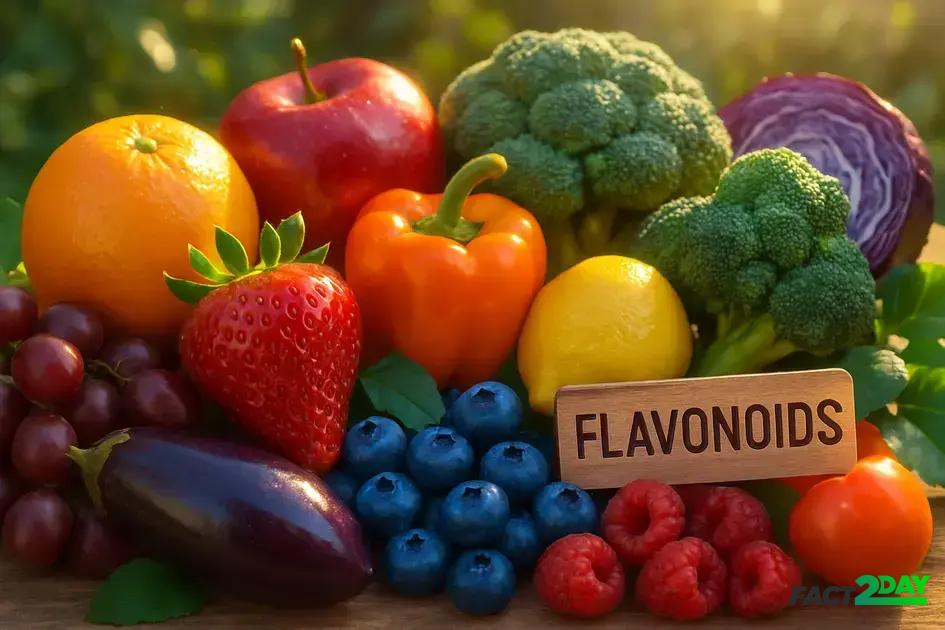
Many colorful fruits and vegetables are rich in flavonoids. For example, blueberries and blackberries offer anthocyanidins, which give their dark color, while oranges and lemons provide flavanones. Leafy greens and herbs supply different flavonoid types, supporting a diverse intake.
Besides plant-based foods, beverages like green and black teas are excellent flavonoid sources due to their rich content of catechins and theaflavins. This makes including such drinks a simple way to boost your daily flavonoid consumption naturally.
The role of flavonoids in human health
Flavonoids play a vital role in maintaining and improving human health due to their wide range of biological activities. These natural compounds contribute to the protection against chronic diseases by acting as antioxidants that neutralize harmful free radicals in the body. By reducing oxidative stress, flavonoids help lower the risk of conditions such as heart disease, diabetes, and cancer.
Beyond their antioxidant properties, flavonoids exert anti-inflammatory effects. They block enzymes and signaling pathways that cause inflammation, which is a common factor in many chronic illnesses. This makes flavonoid-rich foods valuable for managing inflammatory conditions and promoting overall wellness.
Flavonoids and Immune Support
Flavonoids also influence the immune system positively by enhancing the activity of immune cells, improving the body’s ability to fight infections and recover from illnesses. Their antiviral and antimicrobial effects have been the subject of many studies, with promising results indicating they may help reduce the severity of certain infections.
Cardiovascular Benefits
One notable health benefit of flavonoids is their ability to improve heart health. They help relax blood vessels, reduce blood pressure, and prevent the buildup of harmful plaques in arteries. Regular consumption of flavonoid-rich foods is linked to a lower chance of stroke and heart attack.
How flavonoids fight inflammation
Flavonoids help fight inflammation by interacting with the body’s cell signaling pathways and reducing the activity of pro-inflammatory enzymes. They prevent the production of substances like cytokines and prostaglandins, which are responsible for causing swelling and pain during an inflammatory response. This anti-inflammatory action makes flavonoids valuable in managing conditions linked to chronic inflammation, including arthritis, heart disease, and even neurodegenerative disorders.
Mechanisms of Flavonoid Action
Flavonoids inhibit enzymes such as cyclooxygenase (COX) and lipoxygenase (LOX), both central to the inflammatory process. By blocking these enzymes, flavonoids reduce the synthesis of inflammatory mediators. This effect can minimize tissue damage and promote faster healing.
Additionally, flavonoids influence key signaling molecules like NF-kB, a protein complex that controls DNA transcription and cytokine production. Suppressing NF-kB reduces the expression of genes involved in inflammation, which contributes to flavonoids’ beneficial effects.
Impact on Chronic Conditions
Regular consumption of flavonoid-rich foods such as berries, green tea, and citrus fruits may lower chronic inflammation markers in the body. This supports long-term health by reducing risks associated with chronic inflammatory diseases and improving immune system balance.
The antioxidant power of flavonoids
Flavonoids have strong antioxidant properties that help protect cells from damage caused by free radicals. Free radicals are unstable molecules that can harm DNA, proteins, and cell membranes, contributing to aging and diseases like cancer and heart problems. Antioxidants neutralize these harmful molecules by donating an electron, halting the chain reaction of damage.
How Flavonoids Work as Antioxidants
Flavonoids work by scavenging free radicals and chelating metal ions which catalyze oxidative reactions. Their chemical structure allows them to absorb and stabilize free radicals effectively. This action reduces oxidative stress and lowers the risk of chronic diseases associated with cell damage.
In addition to direct scavenging, flavonoids help regenerate other antioxidants such as vitamin C and vitamin E, boosting the overall antioxidant defense system in the body.
Benefits of Antioxidant Activity
The antioxidant power of flavonoids supports healthy aging by slowing down cellular damage. It also helps maintain skin health, protect brain cells, and improve cardiovascular function by preventing the oxidation of LDL cholesterol, which is a key factor in arterial plaque formation.
Regular intake of flavonoid-rich foods like dark chocolate, green tea, and colorful fruits can significantly increase the body’s antioxidant capacity and promote long-term well-being.
Flavonoids and heart health: what science says
Scientific studies show that flavonoids play a significant role in supporting heart health. These compounds help improve blood vessel function by increasing nitric oxide production, which relaxes blood vessels and lowers blood pressure. This reduces strain on the heart and promotes better circulation.
Reduction of Heart Disease Risks
Flavonoids also reduce inflammation and oxidative stress, two major contributors to heart disease. By protecting blood vessels from damage and preventing the oxidation of LDL cholesterol, flavonoids help lower plaque buildup in arteries. This decreases the risk of heart attacks and strokes.
Many large population studies have linked diets rich in flavonoids with a lower incidence of cardiovascular problems. Foods like berries, dark chocolate, and green tea consistently show heart-protective effects.
How to Use Flavonoids for Heart Health
Including a variety of flavonoid-rich foods daily can support heart health naturally. Emphasizing colorful fruits, vegetables, and beverages like tea provides a range of flavonoid types that work together to promote cardiovascular wellness.
Can flavonoids help prevent cancer?
Flavonoids have shown promise in helping to prevent cancer due to their ability to fight oxidative stress and inflammation, both linked to cancer development. These compounds can slow down or stop the growth of cancer cells by affecting various cellular processes, such as cell division and programmed cell death (apoptosis).
How Flavonoids Work Against Cancer
Flavonoids can interfere with the formation of cancer by enhancing the body’s ability to repair DNA damage and by blocking substances that promote tumor growth. They also help in regulating enzymes that activate carcinogens, reducing the chance of mutations.
Research indicates that certain flavonoids, like quercetin and catechins found in tea and apples, may have specific anti-cancer effects. However, more clinical studies are needed to fully understand the impact of flavonoids on different types of cancer.
Dietary Sources and Recommendations
Eating a diet rich in a variety of fruits, vegetables, and whole grains provides a broad range of flavonoids that work together to support cancer prevention. Berries, citrus fruits, onions, and leafy greens are excellent sources of these powerful compounds.
Flavonoids influence on brain function and memory
Flavonoids have a significant impact on brain function and memory by protecting nerve cells and improving communication between them. These compounds increase blood flow to the brain, which helps deliver oxygen and nutrients essential for cognitive performance. This can lead to better attention, learning, and memory retention.
Neuroprotective Effects of Flavonoids
Flavonoids combat oxidative stress and inflammation in the brain, which are factors linked to cognitive decline and diseases like Alzheimer’s. By reducing these harmful effects, flavonoids help preserve brain health over time.
Additionally, flavonoids encourage the growth of new neurons and synapses, supporting brain plasticity. This adaptability is crucial for recovering from brain injuries and maintaining learning abilities as we age.
Sources Supporting Brain Health
Foods rich in flavonoids, such as blueberries, dark chocolate, and green tea, are associated with improved cognitive function in many studies. Regular consumption of these foods may help slow memory loss and enhance mental sharpness as part of a balanced diet.
The impact of diet rich in flavonoids on aging
A diet rich in flavonoids can significantly slow down the aging process by protecting cells from damage caused by oxidative stress. Flavonoids neutralize free radicals, which contribute to the wear and tear of tissues over time. This protection helps maintain youthful skin, supports brain function, and preserves overall vitality.
Flavonoids and Skin Health
Flavonoids improve skin elasticity and reduce wrinkles by promoting collagen production and reducing inflammation. Their antioxidant effects combat sun damage and environmental pollutants, which are major factors in premature aging.
Brain Aging and Flavonoids
Consuming flavonoid-rich foods supports cognitive health as we age. These compounds enhance blood flow to the brain and protect neurons from damage, reducing the risk of age-related memory loss and neurodegenerative diseases.
Overall Vitality and Longevity
Regular intake of flavonoids also helps reduce chronic inflammation, a driving force behind many age-related diseases like arthritis and heart problems. Including a variety of colorful fruits and vegetables in your diet promotes longevity and a better quality of life.
Flavonoids in fruits vs. vegetables: differences and benefits
Flavonoids are present in both fruits and vegetables, but the types and amounts can differ significantly, offering a wide range of health benefits. Fruits often contain higher levels of anthocyanins, which give berries and grapes their deep red, blue, and purple colors. These flavonoids are powerful antioxidants linked with improved heart and brain health.
Vegetables typically contain more flavones and flavonols, which are found in leafy greens, onions, and broccoli. These flavonoids have strong anti-inflammatory properties and support immune function.
Benefits from Fruits
Fruits provide a concentrated source of flavonoids that are easier to absorb and often come with natural sugars that enhance energy. Examples include citrus fruits rich in flavanones, like oranges and lemons, which aid in blood vessel health and protect against oxidative damage.
Benefits from Vegetables
Vegetables offer a diverse array of flavonoids that complement those found in fruits. Their fiber content also helps enhance the absorption and metabolism of these compounds, improving gut and overall health.
Including a mix of both fruits and vegetables in your diet ensures you gain a broad spectrum of flavonoids with unique and complementary benefits.
How to maximize flavonoid intake naturally
Maximizing flavonoid intake naturally involves choosing a variety of colorful fruits, vegetables, and beverages throughout your day. Diverse colors in produce often indicate different types of flavonoids, so aim to include reds, blues, greens, yellows, and purples in your meals.
Eat Whole, Fresh Foods
Fresh, whole fruits and vegetables retain more flavonoids than processed or canned options. Try to include raw or lightly cooked produce to preserve their flavonoid content. For example, steaming vegetables slightly can maintain more flavonoids compared to boiling.
Incorporate Flavonoid-rich Beverages
Beverages like green tea, black tea, and natural fruit juices are excellent sources. Drinking these regularly can boost your daily flavonoid intake. Avoid sugary additions to keep them healthy.
Snack Smart with Nuts and Dark Chocolate
Snacking on nuts and dark chocolate (with at least 70% cocoa) provides additional flavonoids and complements your diet with healthy fats.
Planning meals around a rainbow of plant-based foods ensures you receive a broad spectrum of flavonoids, supporting overall health and wellness naturally.
Common myths about flavonoids debunked
There are many myths about flavonoids that can create confusion. One common myth is that flavonoid supplements are as effective as eating flavonoid-rich foods. Real whole foods provide a mix of nutrients and fibers that supplements cannot replicate.
Myth 1: Flavonoids are Only Found in Fruits
While fruits are rich in flavonoids, many vegetables, teas, and even some nuts contain these compounds. A varied diet is the best way to get a broad range of flavonoids.
Myth 2: Cooking Destroys All Flavonoids
Cooking can reduce flavonoid content in some foods, but methods like steaming or microwaving can preserve much of their benefits. Plus, some flavonoids become more available after cooking.
Myth 3: Flavonoids Work Instantly
Flavonoids contribute to long-term health rather than providing immediate effects. Consistent intake over time is important for their protective roles.
Myth 4: More Flavonoids Are Always Better
Balance is key. Excessive use of flavonoid supplements might not be safe or effective. Obtaining flavonoids through a balanced diet is the best approach.
Understanding these facts helps you make better choices to naturally benefit from flavonoids and avoid misinformation.
Flavonoids and their effect on immunity
Flavonoids play a crucial role in enhancing the immune system by modulating immune responses and reducing inflammation. They help activate immune cells such as macrophages and lymphocytes, which are essential for defending the body against infections and diseases. This immune-boosting capacity makes flavonoids important for maintaining overall health.
How Flavonoids Support Immunity
Flavonoids control the production of cytokines, molecules that guide the immune response. By balancing cytokine production, they prevent excessive inflammation that can harm healthy tissues during infections.
Additionally, flavonoids possess antiviral, antibacterial, and antifungal properties, which help the body resist various pathogens. These compounds strengthen the immune barrier and improve recovery from illnesses.
Sources of Immune-Boosting Flavonoids
Foods rich in flavonoids, such as citrus fruits, green tea, berries, and onions, contribute to a strong immune system. Regular intake of these foods supports the body’s natural defenses and enhances resilience.
Future research directions on flavonoids benefits
Future research on flavonoids aims to uncover deeper insights into their diverse health benefits and mechanisms. Scientists are exploring how different types of flavonoids interact with human cells and how they affect specific diseases at the molecular level. Advanced studies focus on flavonoid bioavailability, or how well these compounds are absorbed and used by the body.
Innovations in Flavonoid Research
Emerging technologies like genomics and metabolomics allow researchers to study how flavonoids influence gene expression and metabolic pathways. This helps in identifying which flavonoids are most effective for particular health conditions.
Potential Clinical Applications
Researchers are testing flavonoids as complementary treatments for diseases such as cancer, cardiovascular disorders, and neurodegenerative conditions. Clinical trials aim to establish effective doses and combinations for maximum impact.
Personalized Nutrition
Future studies may lead to personalized dietary recommendations based on individual genetic profiles to optimize flavonoid intake for health benefits. This approach could revolutionize nutrition and preventive medicine.
Understanding the power of flavonoids for your health
Flavonoids offer impressive health benefits, from protecting your heart and brain to boosting immunity and fighting inflammation. Including a variety of colorful fruits, vegetables, and natural beverages in your diet can provide these valuable compounds naturally.
Ongoing research continues to reveal new ways flavonoids support long-term health and may lead to personalized nutrition plans in the future. By choosing whole, fresh foods rich in flavonoids, you can take simple steps toward better well-being every day.
Remember, the best approach is a balanced diet full of natural sources of flavonoids to enjoy their full range of benefits safely and effectively.