Just Right? The Hidden Algorithms Behind Dynamic Difficulty Scaling in Video Games
Explore The Science of Difficulty Scaling and how hidden algorithms shape dynamic challenges that keep video games engaging and balanced for every player.
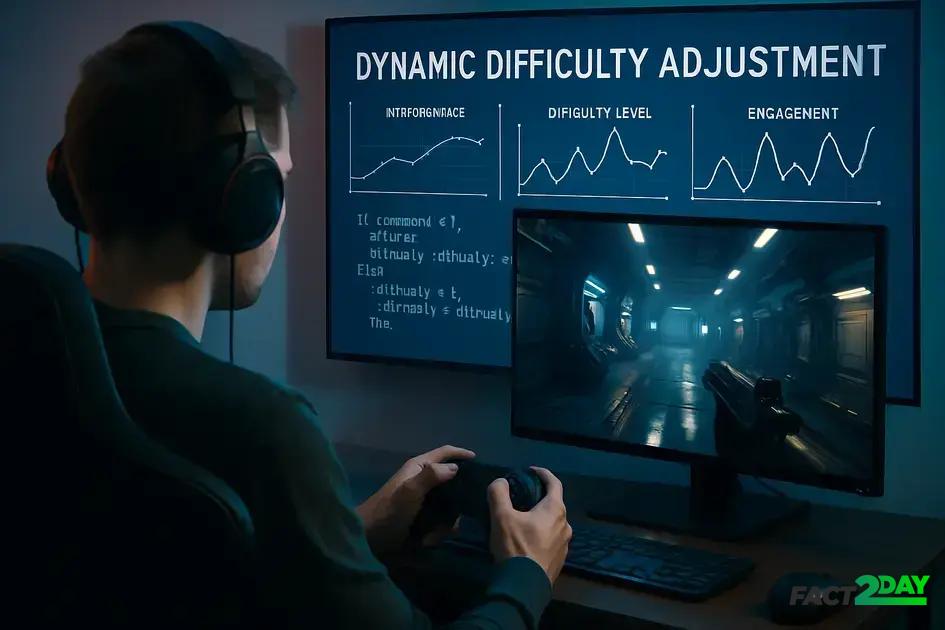
The Science of Difficulty Scaling uses adaptive algorithms to automatically adjust video game challenges in real time, personalizing gameplay to maintain player engagement and balance skill levels.
The Science of Difficulty Scaling reveals the quiet complexity behind video games that adapt to your skill. Have you ever wondered how games know when to ease up or ramp up? Let’s explore this subtle dance between player and code together.
understanding dynamic difficulty scaling
Dynamic difficulty scaling (DDS) is a technique used in video games to automatically adjust the game’s challenge based on the player’s performance. Instead of setting a fixed difficulty level, the game monitors how well the player is doing and changes factors like enemy strength, puzzle complexity, or resource availability in real time.
How DDS Works
The system collects data such as player accuracy, time taken to complete tasks, or number of failures. Using these inputs, algorithms calculate the appropriate difficulty level to keep the game challenging but fair. For example, if a player is struggling, the game may reduce enemy aggression or provide more helpful items.
Benefits of Dynamic Difficulty Scaling
DDS enhances player experience by avoiding frustration from excessive difficulty or boredom from tasks that are too easy. This creates a more engaging and personalized gameplay journey. It also encourages players to improve without feeling overwhelmed.
By responding directly to player skill, dynamic difficulty scaling makes games accessible to a wider audience, from beginners to experienced gamers.
how algorithms adjust game challenge
Algorithms are the heart of dynamic difficulty scaling in video games, constantly analyzing player actions to adjust the challenge level. These algorithms use data such as player accuracy, speed, health, and decision-making patterns to decide how hard the game should be at any moment.
Data Collection and Analysis
The system collects real-time information like hit rates, completion times, and mistakes. This data feeds into adaptive algorithms that compare current player performance against set thresholds or historical data to determine whether to increase, decrease, or maintain difficulty.
Types of Difficulty Adjustments
Algorithms can change many game elements, including enemy strength, spawn rate, puzzle complexity, and reward frequency. For instance, if a player excels, the game may increase enemy speed and damage to maintain tension. Conversely, if the player struggles, the algorithm may ease pressure by lowering enemy accuracy or offering extra health packs.
Balancing Fairness and Challenge
The design goal is to keep players engaged without frustration. Algorithms often include limits and cooldowns to prevent sudden or extreme difficulty shifts that could disrupt immersion. This smooth adjustment helps maintain a flow state where players feel challenged but capable.
player engagement and difficulty balance
Balancing difficulty is crucial to keeping players engaged. When a game is too hard, players can get frustrated and quit. If it’s too easy, they might get bored quickly. Dynamic difficulty balancing ensures players stay interested by adjusting the challenge to match their skill level.
The Flow of Engagement
Games aim to create a “flow state,” where players feel challenged but not overwhelmed. Difficulty scaling helps maintain this by reacting to player’s successes and struggles. When a player performs well, difficulty rises slightly to keep the game exciting. If the player struggles, the game eases up to prevent frustration.
Keeping the Player Motivated
By offering a balanced challenge, games encourage players to keep improving. Reward systems often tie directly into difficulty levels, granting better rewards as players take on tougher challenges.
This balance also supports different player types—from casual gamers seeking fun to competitive players wanting a tough fight. Difficulty scaling helps personalize the experience, making games accessible to all.
examples of difficulty scaling in popular games
Many popular games use difficulty scaling to keep players hooked. For example, in “Left 4 Dead”, an AI director changes the number and strength of zombies based on how well the team is doing. This keeps the action intense but fair.
Adaptive AI in “Resident Evil 4”
In “Resident Evil 4,” enemy behavior changes with the player’s skill. If a player is skilled at dodging or attacking, enemies become more aggressive and tactical. This creates a thrilling balance of challenge and fun.
Dynamic Enemy Scaling in “The Elder Scrolls V: Skyrim”
“Skyrim” adjusts enemy levels based on the player’s progress and location. This system helps ensure players face appropriate challenges throughout their adventure, avoiding zones that are too easy or too difficult.
These examples show how difficulty scaling enhances immersion and replayability. By tailoring challenges to each player, games remain exciting and accessible, no matter the skill level.
design challenges behind scaling systems
Designing effective difficulty scaling systems is challenging because it requires balancing multiple factors. Developers must predict a wide range of player skills and create algorithms that respond smoothly without causing frustration or boredom. One key challenge is determining when and how much to adjust difficulty.
Maintaining Player Immersion
Sudden or drastic changes in difficulty can break immersion and frustrate players. Designers must implement gradual adjustments that feel natural, keeping players engaged without making them notice the change.
Balancing Fairness and Challenge
Another challenge involves ensuring the game is fair. Difficulty scaling should never punish players for trying or make success feel random. Algorithms need to find a balance between challenging seasoned gamers and not overwhelming newcomers.
Technical and Testing Hurdles
Building adaptive systems requires extensive testing to cover diverse player behaviors. Developers must analyze vast amounts of data and anticipate edge cases where the scaling might fail or feel off. This makes the creation process time-consuming and complex.
Effective communication between designers, developers, and testers is crucial to refine the system continually and deliver a balanced experience for all players.
impact on player experience and satisfaction
Difficulty scaling directly affects player experience and satisfaction by personalizing gameplay. When challenges match player skill, games feel rewarding and enjoyable. This boosts engagement and encourages longer play sessions.
Enhancing Enjoyment
Proper scaling prevents frustration caused by too-hard levels and boredom from too-easy tasks. Players feel motivated when challenges are fair, leading to a sense of accomplishment and progress.
Improving Accessibility
Difficulty scaling makes games accessible to players of all skill levels. Casual players can enjoy without stress, while hardcore gamers still find a meaningful challenge. This inclusivity improves overall satisfaction and broadens the player base.
Positive player feedback often highlights well-implemented difficulty adjustments as key to an enjoyable gaming experience.
future trends in difficulty scaling technology
Future trends in difficulty scaling technology point toward more personalized and intelligent systems. With advances in artificial intelligence and machine learning, games will better understand player behavior and adapt more naturally.
AI-Driven Adaptive Learning
Upcoming systems will analyze vast amounts of player data to predict challenges and tailor content dynamically. This means difficulty adjustments won’t just react to player mistakes but anticipate needs, creating a smoother experience.
Emotional and Physiological Feedback
Future games might use sensors to monitor player emotions or stress levels, adjusting difficulty to keep engagement high without causing frustration. Incorporating biofeedback could revolutionize how games respond to players.
Cross-Platform and Social Adaptation
As gaming becomes more social and cross-platform, difficulty scaling may account for cooperative or competitive dynamics, adjusting based on group skill and interaction to maintain fair play.
These innovations promise to make games more accessible, immersive, and enjoyable for everyone.
Wrapping Up the Science of Difficulty Scaling
Dynamic difficulty scaling keeps games fun and fair by adapting challenges to each player’s skill. This technology makes gaming accessible to everyone, whether you’re a beginner or a pro.
As AI and new tech evolve, games will become even smarter at creating tailored experiences. Understanding the algorithms behind difficulty scaling helps us appreciate the hidden work that makes games engaging and enjoyable.
Next time you play, remember there’s a delicate balance behind the scenes, quietly shaping your fun and satisfaction.