The Hard Problem: Exploring the Enigma of Human Consciousness
The science of consciousness unravels the mysterious nature of human awareness and the challenges it presents to our understanding of mind and reality.
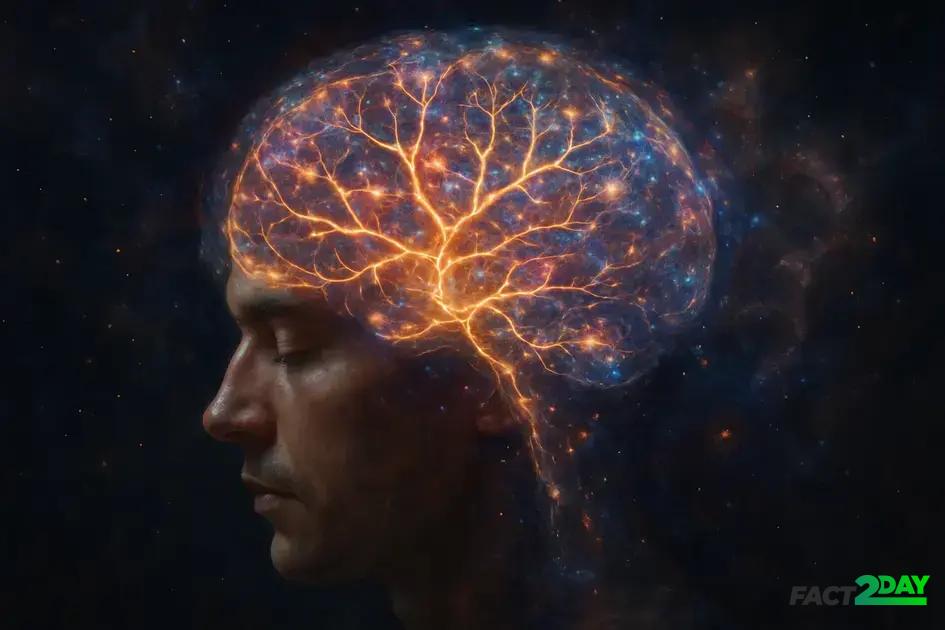
The science of consciousness studies how subjective experience arises from brain processes, exploring complex neural mechanisms and philosophical questions about the nature of awareness and its implications for technology and medicine.
The science of consciousness invites us to explore one of the most profound puzzles: how does subjective experience emerge from physical brain processes? Have you ever wondered why awareness feels so vivid and personal?
understanding the hard problem of consciousness
The hard problem of consciousness refers to the challenge of explaining how and why we have subjective experiences, or qualia. Unlike easy problems that study brain functions and behaviors, the hard problem digs into why certain brain processes are accompanied by an inner life and feelings. For example, why does seeing the color red come with a unique sensation instead of just neural activity?
Scientists and philosophers debate whether consciousness arises from physical processes alone or if there is something more. Some argue that understanding neural mechanisms is sufficient, while others believe that consciousness involves a fundamentally different kind of explanation.
Key aspects of the hard problem
It highlights the gap between objective measurements and the private experience of awareness. Even when we fully understand how neurons fire, it does not explain why this should feel like anything from the inside. This mystery drives ongoing research in neuroscience, cognitive science, and philosophy.
Addressing the hard problem poses questions like: Can consciousness be reduced to physical properties, or is it a basic feature of reality? Understanding this could influence artificial intelligence development, mental health approaches, and our view of human nature.
biological roots and neural mysteries
Understanding the biological roots of consciousness involves studying the brain’s complex structure and function. The brain contains billions of neurons that communicate through electrical and chemical signals, creating networks that underlie awareness and thought. Neural mysteries arise because even with advanced technology, we can only partially explain how these interactions produce conscious experience.
Neural correlates of consciousness
Scientists look for specific brain areas and patterns of activity linked to consciousness, called neural correlates. Regions like the cerebral cortex and thalamus play crucial roles, but no single area fully explains subjective awareness.
Research into how neurons fire together and synchronize may uncover mechanisms behind consciousness. Yet, translating this activity into the feeling of being aware is a challenge.
Biological insights and ongoing questions
Some theories suggest consciousness emerges from complex brain interactions or quantum processes, but these remain speculative. Studying patients with brain injuries or altered states helps reveal which parts are essential for awareness.
Understanding these biological roots not only advances neuroscience but could impact medicine, artificial intelligence, and philosophy, pushing the boundaries of what it means to be conscious.
philosophical and practical implications
The philosophical implications of consciousness challenge how we understand reality and ourselves. Questions arise such as: What is the nature of the self? Can consciousness exist outside the brain? These debates influence ethics, free will, and the meaning of life.
Mind-body problem
This classic philosophical issue explores how the mind relates to the physical body. Some argue for dualism, where mind and body are separate, while others support physicalism, believing consciousness emerges from brain processes alone.
Practical implications in technology and medicine
Understanding consciousness affects how we build artificial intelligence and treat mental health. If machines achieve consciousness, ethical concerns about rights and responsibilities arise. In medicine, insights on awareness guide treatments for coma patients and mental disorders.
These philosophical and practical questions continue to drive research, shaping how society views human identity, ethics, and future technology.
Understanding consciousness: a journey worth taking
The study of consciousness touches on deep questions about our minds, brains, and what it means to be human. From exploring the hard problem to uncovering neural mysteries and pondering philosophical implications, this topic challenges our view of reality.
As science and technology advance, they open new paths to better understand awareness and its impact on life and society. Staying curious about these questions can inspire further discoveries and thoughtful discussions.
Ultimately, exploring consciousness is not just about science or philosophy—it’s a way to connect more deeply with ourselves and the world around us.