Beyond Barks and Meows: Unraveling the Complex Languages of the Animal Kingdom
Discover the fascinating world of The Science of Animal Communication and how animals speak beyond barks and meows in diverse, complex ways.
Imagine finding a strange, unintended character in a classic video game that became one of the most famous glitches ever—MissingNo. In the early days of Pokémon Red and Blue, players could fish on Cinnabar Island and encounter this odd block of pixelated noise.
MissingNo. looked like static and could seriously mess up your game, corrupting your Hall of Fame and scrambling graphics. But despite all the chaos, players loved it.
Why? Catching MissingNo. let you duplicate items in your inventory. That meant endless Rare Candies and Master Balls, turning a bug into a secret advantage.
This glitch turned into a legendary cheat code, showing how sometimes unexpected glitches become the most memorable parts of gaming history.
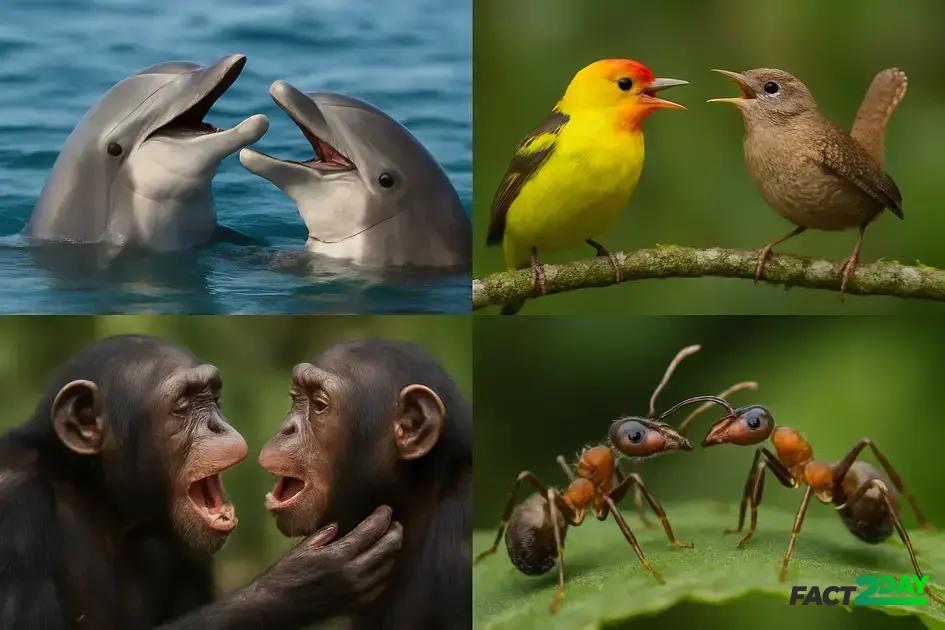
If you’ve ever wondered how animals really talk to each other, you’re in for a treat with The Science of Animal Communication. From clicks to dances, the animal kingdom hides some seriously mind-blowing languages that go way beyond simple barks or meows.
Understanding animal communication basics
Animal communication is the process through which animals convey information to one another using various signals. These signals can include sounds, movements, scents, and visual cues. Understanding these basics helps us appreciate the complex ways animals interact within their environment and with each other.
At its core, communication serves purposes such as warning others of danger, attracting mates, establishing territory, or coordinating group behavior. For example, a bird’s chirp might alert others to predators, while a dog’s tail wag can express friendliness.
Types of communication signals
Animals use auditory, visual, chemical, and tactile signals to send messages. Auditory signals include calls or songs; visual signals involve body language or color displays; chemical signals use pheromones; and tactile signals occur through touch or vibrations.
Each method has advantages depending on the animal’s habitat and social structure. For example, chemical signals can linger and travel through the air, helping animals communicate even when out of sight.
Understanding these fundamental principles opens the door to exploring the rich language of the animal kingdom and how they survive and thrive through communication.
Types of animal communication signals
Animals communicate using different types of signals, each adapted to their environment and needs. These include auditory, visual, chemical, and tactile signals. Understanding these helps us see the depth of animal interactions.
Auditory signals
Sounds like bird songs, whale calls, and frog croaks are examples. These signals can travel long distances and vary in tone and pattern to express warnings, mating calls, or social information.
Visual signals
Body postures, colors, and movements convey messages. For instance, a peacock’s colorful feathers attract mates, while a dog’s raised fur may signal aggression or fear.
Chemical signals
Pheromones and scents play a key role, especially in insects and mammals. These chemical messages mark territory or signal reproductive status and can linger in the environment for some time.
Tactile signals
Touch or vibrations help animals communicate closely. Bees perform dances to show food location, and primates groom to build social bonds.
Each signal type interacts with the animal’s habitat and lifestyle, creating rich, diverse forms of communication vital to survival and social structure.
How animals use sounds to communicate
Sounds play a crucial role in how many animals communicate, allowing messages to be sent quickly over long distances. Animals use a wide range of sounds, from simple clicks and growls to elaborate songs, each serving different purposes.
Functions of sound communication
Alarm calls warn others of predators, helping the group stay safe. For example, meerkats emit sharp calls to alert the colony of danger nearby.
Mating calls attract potential partners. Male frogs and birds often produce loud, rhythmic sounds to attract females during the breeding season.
Territorial signals establish boundaries. Wolves howl to communicate their presence and keep rivals away from their territory.
Variations in sound
The pitch, duration, and repetition of sounds can change the meaning. Dolphins use complex clicks and whistles to identify themselves and coordinate group activities.
Some animals, like songbirds, learn and modify their songs based on their environment, showing an impressive level of adaptability.
Through sound, animals can express emotions, coordinate group behaviors, and share vital information, showcasing a rich, dynamic language beyond human speech.
The role of body language in animal interaction
Body language is a fundamental way animals express themselves without sounds or scents. It includes gestures, facial expressions, posture, and movements that convey emotions and intentions.
Common body language signals
Posture can indicate dominance, submission, or readiness. For example, a dog showing its belly signals trust or submission, while raised hackles warn of aggression or fear.
Facial expressions are vital in social animals. Primates, like chimpanzees, use expressions such as baring teeth to show aggression or lip-smacking to indicate friendliness.
Gestures such as tail wagging, ear positioning, or wing flapping help communicate mood or intentions. A cat slowly blinking can signal relaxation and trust.
Body language in group dynamics
Animals use body language to strengthen social bonds and avoid conflicts. For example, wolves use specific postures during pack hierarchy displays, and elephants touch trunks to comfort each other.
Understanding these nonverbal cues offers deep insight into animal emotions and their complex social lives, allowing better interaction and care by humans and other animals alike.
Chemical signals and pheromones explained
Chemical signals, including pheromones, are powerful communication tools used by many animals. These signals are released into the environment and detected by others through smell or taste, allowing communication even over long distances and in the dark.
What are pheromones?
Pheromones are chemical substances secreted by animals that trigger social responses in members of the same species. They can convey information about territory, reproductive status, alarm, or identity.
Functions of chemical communication
For example, ants use pheromone trails to guide others to food sources. Many mammals mark their territory with scents to warn rivals. Female moths release pheromones to attract males from miles away.
Detection and response
Animals have specialized organs, like the vomeronasal organ in many reptiles and mammals, dedicated to detecting these chemicals. Responses can be immediate, such as fleeing from alarm pheromones or approaching a potential mate.
Chemical communication offers animals an effective way to send subtle or urgent messages, maintain social structures, and improve survival.
Visual communication in different species
Visual communication is a key way animals share information using body features, colors, movements, and light. This type of communication can be quick and effective, especially in daylight or clear environments.
Color displays and patterns
Bright colors and patterns often serve to attract mates or warn predators. For example, poison dart frogs use vivid colors to signal toxicity, while peacocks display large, colorful fans to attract females.
Movements and gestures
Animals use specific movements to convey messages. A wolf’s tail wag or a bird’s wing flap can signify excitement, aggression, or readiness to mate. Some lizards perform push-up displays to challenge rivals.
Bioluminescence and light signals
Certain species, like fireflies and deep-sea fish, use light to communicate. These bioluminescent signals help them find mates or warn of danger in dark environments.
Visual communication is adapted to each species’ habitat and lifestyle, enabling survival, social interaction, and reproductive success.
The complexity of whale and dolphin songs
Whales and dolphins produce some of the most complex sounds in the animal world. Their songs can last for minutes or even hours and include a variety of clicks, whistles, and pulsed calls.
Purpose of these sounds
Communication and coordination are primary reasons for these vocalizations. Pods use them to stay in touch, navigate, and hunt together in vast oceans.
Male humpback whales, in particular, sing intricate songs during mating season, which can change over time and spread across wide areas, showing cultural transmission.
Unique patterns and learning
Dolphins use signature whistles unique to each individual, akin to names, to identify and call to one another. These sounds are learned and modified, demonstrating intelligence and social complexity.
Both whales and dolphins rely on sound because light does not travel well underwater, making acoustic communication essential for survival.
Birdsong: more than just a tune
Birdsong plays a vital role in communication, serving many purposes beyond simple melodies. These sounds help birds establish territories, attract mates, and warn of predators.
Functions of birdsong
Territorial claims are made through distinctive songs that let other birds know to keep away. This helps reduce conflicts and maintain boundaries.
Mating calls attract partners by showcasing fitness and species identity. Males often sing more complex songs to impress females.
Alarm calls alert nearby birds of danger, allowing the group to react quickly. The songs can vary in intensity and rhythm depending on the threat level.
Learning and variation
Many birds learn songs from parents or neighbors, and regional dialects can develop. Some species can even improvise or mimic other sounds, showing impressive vocal flexibility.
Birdsong is a sophisticated form of communication that reveals much about social structure and survival in the avian world.
Communication among insects and arachnids
Insects and arachnids communicate using a variety of fascinating methods adapted to their small size and specific environments. These often rely on chemical, tactile, and visual signals to send messages.
Chemical communication
Pheromones are widely used, especially among ants and bees. These chemicals guide others to food sources, mark trails, or signal alarm, ensuring colony survival and cooperation.
Vibrations and tactile signals
Many spiders use vibrations to communicate during mating rituals or to warn intruders. For example, male spiders vibrate their webs to attract females without risk of attack.
Visual signals
Some insects display colors or movements for mating or defense. Fireflies produce bioluminescent flashes to find partners, while certain butterflies display bright wing patterns to deter predators.
Communication among insects and arachnids is essential for managing complex social behaviors, mating, and survival, showcasing remarkable adaptation in the animal kingdom.
Social structures and communication in primates
Primates have complex social structures that rely heavily on communication to maintain group cohesion and resolve conflicts. Their communication includes vocalizations, facial expressions, gestures, and body language.
Vocal communication
Calls and sounds are used to alert group members of danger, coordinate movements, or express emotions like excitement and distress. For example, vervet monkeys have distinct alarm calls for different predators.
Facial expressions and gestures
Primates use a wide range of facial expressions such as baring teeth to show aggression or lip-smacking to express friendliness. Hand gestures and body postures also play important roles in social interactions.
Social bonding and hierarchy
Grooming is a key behavior that strengthens social bonds and maintains group harmony. Dominance hierarchies are communicated through subtle signals, helping to reduce physical conflicts.
Effective communication within primate social groups is essential for survival, cooperation, and maintaining complex relationships.
How animals adapt communication to environments
Animals adapt their communication methods to suit their environments, ensuring their messages are clear and effective despite challenges like distance, obstacles, or noise.
Acoustic adaptation
In dense forests, animals often use low-frequency sounds that travel farther through thick vegetation. For example, howler monkeys produce deep calls that carry across large areas.
Visual adaptation
Species in open or bright habitats rely on visual signals like colorful plumage or movement, which are more visible in these environments. Desert lizards may use push-up displays to communicate when sounds aren’t practical.
Chemical adaptation
In dark or subterranean environments, animals like ants depend heavily on chemical signals such as pheromones, which can linger and convey messages even without direct sight or sound.
Environmental factors like weather, terrain, and presence of predators all influence how animals develop and modify their communication strategies. These adaptations improve survival and social interaction in diverse habitats.
Human impact on animal communication patterns
Human activities significantly affect how animals communicate, often disrupting their natural behaviors. Noise pollution, habitat loss, and urban development create challenges for animals relying on sound, sight, or chemical signals.
Effects of noise pollution
Urban noise, such as traffic and construction, masks animal sounds, forcing species like birds and marine mammals to alter their calls. Some birds sing louder or adjust frequencies to be heard over city noise.
Habitat destruction
Clearing forests and wetlands breaks up habitats, reducing the spaces where animals can effectively send and receive signals. This fragmentation can isolate groups and reduce social interactions.
Changes in communication behavior
Animals may change their timing or methods of communication to adapt. For example, some nocturnal species become more active during the day, shifting their signaling patterns.
Understanding human impact helps conservation efforts focus on reducing interference, preserving vital communication channels needed for reproduction, social bonding, and survival.
Tools and technology to study animal languages
Advancements in tools and technology have revolutionized how scientists study animal communication, offering new insights into the complex languages of the animal kingdom.
Audio recording and analysis
High-quality microphones and recording devices capture sounds that are often inaudible to humans. Researchers analyze these recordings using software to study patterns, frequencies, and meanings.
Video and motion tracking
Advanced cameras and motion sensors record visual signals and body language in detail. This technology helps decode gestures and social interactions among animals.
Machine learning and AI
Artificial intelligence processes large datasets of animal sounds and behaviors, detecting patterns that humans might miss. AI models can classify calls and even predict meanings.
Emerging technologies like drones and underwater robots extend research capabilities, allowing observation in difficult environments without disturbing animals.
These tools collectively enhance our understanding of animal languages, enabling deeper appreciation and better conservation efforts.
Future directions in animal communication research
Animal communication research is rapidly evolving, driven by new technologies and interdisciplinary approaches. Scientists are exploring more nuanced ways animals interact and the underlying cognitive processes.
Integrating genetics and communication
Researchers are examining how genetics influence communication abilities and behaviors, helping explain variations across species and individuals.
Advances in technology
AI and machine learning continue to play a key role in decoding complex animal signals. These tools help identify patterns in vast data sets, revealing new forms of communication.
Focus on cross-species communication
Studies increasingly look at how humans and animals interact and understand each other, improving welfare and cooperation, especially in domestic and conservation contexts.
Emerging research also explores how environmental changes influence communication, aiming to develop strategies to protect endangered species and habitats.
The future of animal communication research promises deeper understanding of animal minds and better ways to support biodiversity.
Understanding the complexity of animal communication
The science of animal communication uncovers how diverse and intricate animal languages truly are. From sounds and body language to chemical signals, animals have developed impressive ways to interact and survive.
Advances in technology and research continue to reveal new insights, helping us appreciate animal intelligence and social lives. Protecting their habitats and minimizing human impact is key to preserving these fascinating communication systems.
By exploring beyond barks and meows, we open the door to a richer understanding of the animal kingdom and our connection to it.