Taste of the Earth: How Soil, Climate, and Geology Shape the Essence of Famous Foods
O fenômeno do "terroir" em alimentos revela como solo, clima e geologia conferem sabores únicos e inesquecíveis a pratos famosos.
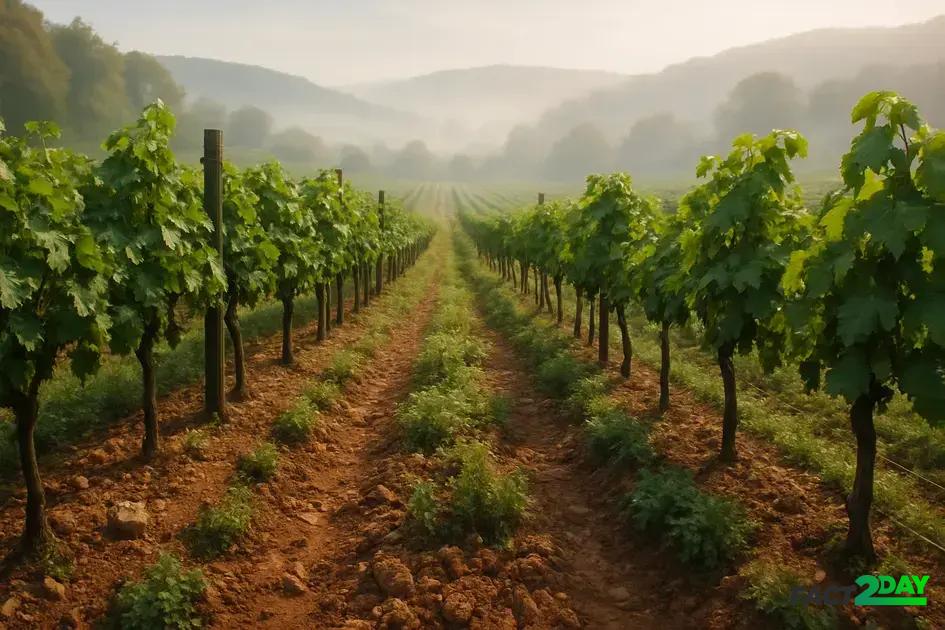
The phenomenon of terroir in food refers to how soil, climate, and geography uniquely influence the flavor, quality, and characteristics of foods, creating distinct regional tastes linked to their place of origin.
Have you ever stopped to think about what gives a food that special flavor? The phenomenon of “terroir” in food helps us understand how soil, climate, and other elements of the earth give unique personality to the flavors we enjoy. Let’s explore these secrets together?
The influence of soil on food quality
The quality of food is deeply influenced by the soil in which it is grown. Soil provides essential nutrients, minerals, and organic matter that nourish plants and directly affect their flavor, texture, and nutritional value. Different types of soil such as sandy, clay, or loamy hold varying levels of moisture and nutrients, shaping how plants develop.
The Role of Soil Composition
Soil composition determines the availability of elements like nitrogen, phosphorus, and potassium, which are critical for healthy plant growth. For example, grapes grown in mineral-rich volcanic soils often develop more complex and intense flavors, making wines from these regions distinct.
Microorganisms and Soil Life
A healthy soil ecosystem includes diverse microorganisms that help break down organic matter and release nutrients. These beneficial microbes enhance plant health and resilience, which can improve the quality and consistency of crops.
Soil pH and Plant Absorption
The pH level of the soil affects how plants absorb nutrients. Acidic or alkaline conditions can limit or promote uptake of certain minerals, impacting taste and growth. Farmers and producers may adjust soil conditions to optimize the final food quality.
Understanding how the soil influences food helps consumers appreciate why products from different regions or farms taste unique and why terroir matters in the culinary world.
The role of climate and geography in flavor
Climate and geography are key factors that shape the taste and quality of food. Temperature, sunlight, rainfall, and altitude impact how plants grow and develop their flavors. For instance, cooler climates often slow down ripening, which can enhance the sugar and acid balance in fruits such as grapes and apples.
Temperature and Sunlight Effects
Sunlight exposure affects photosynthesis, influencing the sugar content and aromatic compounds in crops. Regions with long sunny days produce bolder flavors, while shaded or shorter-day areas may yield subtler tastes.
Rainfall and Water Availability
Water supply from rain or irrigation is critical. Too much rain can wash away nutrients and dilute flavors, while drought stresses plants, often intensifying taste but risking lower yields. Finding the right balance is essential for high-quality produce.
Geography and Altitude
Geographic features like mountains, valleys, and proximity to bodies of water affect microclimates. Higher altitudes usually mean cooler temperatures and greater temperature swings between day and night, which can boost flavor complexity and acidity in fruits and vegetables.
Understanding these environmental influences helps explain why the same crop from different locations can taste completely different, highlighting the importance of terroir in food flavor.
How to recognize foods with authentic terroir
Recognizing foods with authentic terroir involves understanding the unique characteristics that reflect their origin. These foods often carry distinct flavors, aromas, and textures specific to their growing region. Paying attention to labels and certifications can help identify such products.
Importance of Geographic Indications
Many countries use geographic indications (GI) or protected designation of origin (PDO) labels to guarantee authenticity. These certifications ensure the food is produced in a specific area using traditional methods, preserving its unique qualities.
Flavor and Sensory Characteristics
Authentic terroir in food typically shows complex flavors influenced by local soil, climate, and farming practices. Tasting notes may include unique mineral hints, balanced acidity, or distinct aroma profiles that vary from mass-produced alternatives.
Research and Producer Reputation
Learning about the producer’s practices and region can reveal if the food truly represents its terroir in food. Small-scale farms and artisans often emphasize natural processes and minimal intervention to highlight the environment’s influence.
By developing an awareness of these factors, consumers can better appreciate and seek out foods that truly express their place of origin and the phenomenon of terroir.
Understanding and appreciating terroir in food
The phenomenon of terroir shows us how deeply soil, climate, and geography influence the taste and quality of food. By recognizing these unique factors, we gain a deeper appreciation for the rich flavors and traditions behind our favorite foods.
Authentic terroir in food not only connects us to the land but also supports sustainable farming and local producers who preserve these special characteristics. Exploring foods with genuine terroir can turn every meal into a discovery of nature’s diverse gifts.
Embracing terroir helps us make informed choices and enjoy foods that truly reflect their origins, offering a richer culinary experience.