From Barter to Bitcoin: The Fascinating Evolution of Money and Global Economies
Explore the rich journey of The history of money, revealing its role in shaping economies and everyday lives through time.
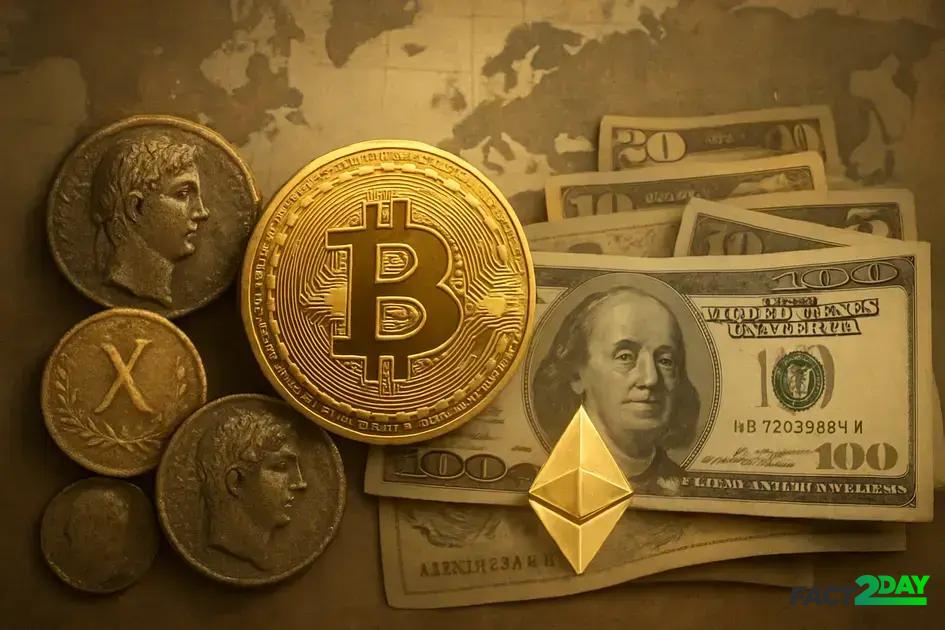
The history of money traces its evolution from barter systems to modern cryptocurrencies, showing how money has continuously shaped and connected global economies through trade, monetary policy, and technological innovation.
Have you ever paused to wonder about the story behind the money in your pocket? The The history of money carries tales from ancient barter systems to the digital currencies shaping our world. Let’s walk through its fascinating evolution together.
From barter systems to the birth of currency
Before money existed, people exchanged goods and services directly through barter. For example, a farmer might trade wheat for a pot made by a potter. While this system worked for small communities, it had clear limitations. Barter required a double coincidence of wants, meaning both parties needed something the other desired, which wasn’t always possible.
The Limitations of Barter
Barter made it difficult to store value or measure worth easily. Some goods were perishable or bulky, making trade inefficient. For instance, trading livestock required space and care, and not all goods were easily divisible.
The Birth of Currency
To solve these problems, early societies developed various forms of money. People began using items like shells, salt, or precious metals that were widely accepted and durable. Over time, these items evolved into coins made from metals such as gold and silver, standardizing value and simplifying trade.
Currency allowed people to save wealth, compare values, and engage in more complex economic activities. This shift was a major step towards building the global economies we know today.
The rise of digital money and cryptocurrencies
Digital money and cryptocurrencies have transformed how we think about currency. Unlike physical cash, digital money exists electronically and allows instant transactions across the globe. This shift began with credit cards and online banking, but the real breakthrough came with the introduction of cryptocurrencies like Bitcoin in 2009.
How cryptocurrencies work
Cryptocurrencies rely on blockchain technology, a secure and transparent ledger that records all transactions. This technology eliminates the need for banks or middlemen, making transfers faster and often cheaper. Bitcoin, Ethereum, and other cryptocurrencies operate on decentralized networks managed by users worldwide.
The impact on finance and economy
The rise of digital currencies challenges traditional financial systems and offers new opportunities for investment and innovation. Cryptocurrencies can provide financial services to unbanked populations and enable smart contracts that automatically execute agreements without intermediaries.
However, their value can be volatile, and regulatory concerns remain, but the growing acceptance of digital money highlights a significant change in global economies driven by technology and innovation.
How money influences global economies today
Money plays a central role in shaping global economies by facilitating trade, investment, and economic growth. It acts as a medium of exchange, a store of value, and a unit of account, enabling countries to participate in international markets.
Monetary policy and economic stability
Central banks use money supply and interest rates to control inflation and stabilize economies. These monetary policies affect employment, consumer spending, and business investments, influencing the overall health of a nation’s economy.
Global trade and currency exchange
Money enables countries to trade goods and services across borders. Currency exchange rates determine how much one country’s money is worth compared to another’s, impacting export and import prices. Fluctuations in these rates can influence economic competitiveness and growth.
In today’s interconnected world, money flow impacts financial markets, foreign investments, and development projects. Understanding these dynamics helps explain global economic trends and challenges faced by nations.
The ongoing impact of money on our world
Money has evolved from simple trade tools to complex digital systems that drive the global economy. Its role in trade, policy, and investment continues to shape how countries grow and interact.
Understanding the power and influence of money helps us grasp economic changes and opportunities worldwide. As economies develop, money remains a key factor in connecting people, markets, and ideas.
By staying informed about money’s role, individuals and businesses can make smarter decisions that support both personal and global economic growth.