Beyond the Fridge: The Ingenious Ancient History of Food Preservation (and What We Can Still Learn)
Explore the fascinating world of The History of Food Preservation, uncovering ancient methods that still influence how we store food today.
Imagine a courtroom where the accused is not a person but an animal. In medieval Europe, this strange scene was common as animals were put on trial for crimes. Pigs could be condemned for murder, and beetles might be excommunicated for ruining crops. These trials were serious, with animals even having lawyers and witnesses.
This odd practice shows us how people long ago viewed animals as more than objects. They saw them as moral beings who could be guilty or innocent. The legal system back then mixed ideas of law and religion closely, reflecting beliefs about justice and responsibility.
Though it seems strange today, these animal trials give us a glimpse into old ideas about morality and law. They remind us how our views on judgment and fairness have changed over time, even about who deserves justice.
Consider for a moment the The History of Food Preservation—a story as old as human civilization itself. What ancient techniques shaped our way of storing food long before the advent of the fridge, and what can we still learn from these ingenious methods?
The origins of food preservation
The origins of food preservation trace back to early human societies who needed ways to keep food edible for longer periods. Without refrigeration, ancient people relied on natural techniques to prevent spoilage. These primitive methods were crucial for survival, especially during times of scarcity or long journeys.
One of the earliest forms of preservation was drying. By removing moisture from fruits, vegetables, and meats, early humans reduced the chance for bacteria and mold to grow. Sun-drying was common in warm climates, while cold air or wind helped in other regions.
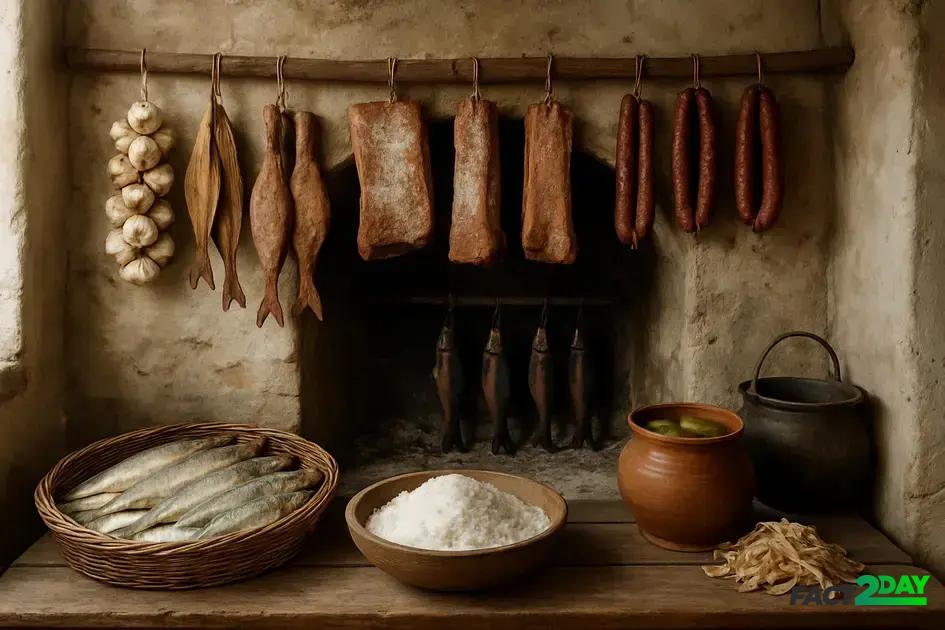
Another ancient technique involved smoking food over fire. This method not only added flavor but also infused the food with chemicals that slowed down decay. Additionally, salt was harvested and used to cure meats and fish, drawing out moisture and creating an environment hostile to microbes.
Ice and snow were also used when available, particularly in colder regions, enabling early people to store perishables temporarily. These methods laid the foundation for more complex preservation techniques that developed later in history.
Early methods used by ancient civilizations
Ancient civilizations developed a variety of food preservation techniques suited to their environments and resources. Egyptians used drying and salting extensively, especially for fish and meat, ensuring supplies lasted through hot seasons.
In Mesopotamia, methods like fermenting grains and fruits were common, creating preserved foods that also provided distinct flavors. These early peoples understood that fermentation not only prolonged edibility but could also enhance nutrition.
The Chinese mastered the art of pickling vegetables using brine, a method that remains popular today. They also practiced freezing foods during winter months, taking advantage of natural ice.
Native American tribes relied on sun drying, smoking, and storing foods in cool caves. They often combined techniques, such as smoking salted meat, to maximize preservation effectiveness.
These diverse methods reflect a deep understanding of natural processes and highlight how ancient cultures adapted to preserve food without modern technology.
The role of salt in preserving food
Salt has played a crucial role in food preservation for thousands of years. It works by drawing moisture out of food, creating an environment where bacteria and other microorganisms cannot thrive. This process, known as osmosis, helps keep food safe and edible for extended periods.
In ancient times, salt was highly valued and sometimes even used as currency due to its preservation power. People used salt to cure meats and fish, extending their shelf life and making it possible to store these foods during long journeys or harsh seasons.
There are different methods of using salt for preservation. Dry salting involves packing food directly in salt, while brining uses a saltwater solution to soak items like vegetables and meats. Both methods help inhibit spoilage and maintain flavor.
The use of salt also affects food texture and taste, often enhancing the flavor while preserving it. Its effectiveness and accessibility have made salt one of the most important preservation tools throughout history and across cultures.
Drying and dehydrating techniques
Drying and dehydrating are among the oldest and most effective methods to preserve food. These techniques remove moisture, which prevents bacteria, yeast, and mold from growing, keeping food safe for longer periods. Drying can be done naturally by the sun or air, or through artificial means like heated air dryers.
Sun drying is a simple method where food is sliced and exposed to sunlight in dry, warm climates. This works well for fruits, herbs, and meats. Air drying involves hanging food in a well-ventilated space to gradually reduce moisture content.
In modern times, dehydrators use controlled heat and airflow to speed up the drying process, making it more consistent and safe. This method is popular for preserving fruits, vegetables, and jerky.
Besides preservation, drying intensifies flavor and reduces weight, making it easier to store and transport food. Understanding these drying methods helps appreciate how ancient practices still influence our food today.
Fermentation as a preservation method
Fermentation is a natural process where microorganisms like bacteria and yeast convert sugars in food into acids or alcohol. This preservation method not only extends the shelf life of food but also enhances flavor and nutritional value.
Common fermented foods include yogurt, sauerkraut, kimchi, and pickles. These foods develop unique tastes due to the acids produced during fermentation, which also inhibit harmful bacteria growth.
Fermentation requires specific conditions such as controlled temperature and salt concentration to encourage beneficial microbes and prevent spoilage. Traditionally, people used earthenware pots or wooden barrels for fermentation, which allowed natural fermentation to occur over days or weeks.
This method has been used for thousands of years and remains popular worldwide, both for its preservation advantages and health benefits linked to probiotics created in the process.
Smoking food: more than just flavor
Smoking food is an ancient preservation method that uses smoke from burning wood to dry and flavor meat, fish, and other items. The smoke contains chemicals that act as natural preservatives by slowing down bacterial growth and preventing spoilage.
Beyond flavor enhancement, smoking also reduces moisture in the food, which helps extend its shelf life. Different types of wood, such as hickory, oak, or applewood, provide unique tastes to the smoked products.
This method was crucial for people who needed to store food during long winters or while traveling. Smoking could be combined with salting or drying to make preservation even more effective.
Traditional smoking involves hanging food over a slow, smoldering fire in enclosed spaces like smokehouses. This technique requires careful control of temperature and smoke levels to ensure proper preservation without cooking the food.
Cold storage before refrigeration
Before modern refrigeration, people used various forms of cold storage to keep food fresh. Natural ice and snow were the most common resources, harvested in winter and stored in ice houses or underground cellars to last through warmer months.
Ice houses were often insulated with straw or sawdust to slow melting. In mountainous or cold regions, caves and springs helped keep food cool year-round. These methods allowed the preservation of perishable items like dairy, meat, and fruits.
Some cultures developed specialized ice harvesting techniques, cutting large blocks of ice from frozen lakes or rivers. This ice was then transported and stored for domestic or commercial use.
Cold storage was crucial for food safety and extended the availability of seasonal foods. While requiring significant labor, these techniques laid the groundwork for modern refrigeration technology.
The impact of ancient preservation on trade
Ancient preservation methods had a profound impact on trade by enabling food to be stored and transported over long distances. Before preservation techniques, fresh food had to be consumed quickly, limiting how far and long it could be traded.
Salted and dried foods like fish, meat, and grains became valuable trade goods because they stayed edible much longer. This extended shelf life allowed merchants to journey across regions and continents, boosting economic connections.
Fermented and smoked foods also became trade staples, prized for their taste and durability. These preserved items often traveled along famous trade routes such as the Silk Road and Mediterranean networks.
This ability to preserve food led to the growth of markets and the exchange of not just food, but also culture and knowledge. Ancient preservation was a key driver in shaping global trade systems and economic development.
How preservation influenced dietary habits
Food preservation techniques have greatly shaped dietary habits throughout history. By extending the shelf life of foods, people could enjoy a diverse diet year-round, even when certain items were out of season.
Preserved foods like salted meats, pickled vegetables, and fermented products introduced new flavors and textures that became traditional staples in many cultures. These methods allowed societies to store surplus food, reducing waste and food shortages.
In some cases, preservation influenced what people ate regularly. For example, fermented foods rich in probiotics became dietary essentials in regions where fresh produce was scarce during colder months.
Moreover, preservation techniques enabled long voyages and exploration, allowing foods to be transported and shared globally, which gradually broadened culinary practices and preferences.
Technological advances through history
Technological advances throughout history have transformed food preservation methods, making them more efficient and accessible. Early on, humans relied on natural resources like sun, ice, and salt, but innovations introduced new ways to protect and store food.
The invention of canning in the early 19th century was a major breakthrough. It allowed food to be sealed in airtight containers, preventing bacteria from spoiling the contents for months or even years. This method revolutionized food storage and transportation.
Later, the development of refrigeration and freezing technology provided reliable cold storage, extending the freshness of perishable goods dramatically. This advancement reshaped diets and food distribution worldwide.
Recent innovations include vacuum-sealing, freeze-drying, and controlled atmosphere storage, which further improve preservation by minimizing exposure to air, moisture, and bacteria.
Each technological leap built on previous methods, improving food safety, reducing waste, and expanding global food availability.
Cultural variations in food preservation
Food preservation methods vary greatly across cultures, shaped by local climate, available resources, and culinary traditions. Each culture developed unique techniques that reflect their environment and lifestyle.
In Japan, fermentation plays a key role with foods like miso, soy sauce, and pickled vegetables. These not only preserve food but also add rich flavors central to Japanese cuisine.
Indigenous peoples in the Arctic use freezing and drying to preserve fish and meat, relying on the cold climate for natural refrigeration. This ensures a stable food supply during harsh winters.
In Mediterranean countries, salting and curing meats like prosciutto and drying fruits are common. These techniques take advantage of the warm, dry climate to extend food shelf life.
Cultural preferences and preservation methods continue to influence modern diets, demonstrating how ancient practices remain relevant and valued worldwide.
Lessons modern science learns from ancient methods
Modern science continues to learn valuable lessons from ancient food preservation methods. These traditional techniques offer insights into natural processes that can be used to create sustainable and efficient preservation methods today.
Fermentation, for example, has inspired research into probiotics and gut health, leading to new functional foods that promote wellness. Scientists study the microbes involved to better understand their benefits.
Salt curing and drying methods have informed contemporary practices that minimize chemical additives, favoring natural preservation. This helps produce foods that are healthier and tastier.
Ancient use of natural refrigeration sources like ice and cool caves encourages the development of energy-efficient cooling systems based on passive cooling methods.
By blending ancient wisdom with modern technology, food preservation continues to evolve in ways that reduce waste, lower environmental impact, and improve food safety worldwide.
Environmental benefits of traditional preservation
Traditional food preservation methods offer significant environmental benefits by reducing waste and lowering energy consumption. Techniques like drying, salting, smoking, and fermenting use natural resources instead of relying on electricity or chemicals.
These methods help minimize food spoilage, ensuring that more food is consumed rather than discarded, which reduces the overall environmental impact associated with food production and disposal.
Unlike modern refrigeration, many traditional techniques require little to no energy, lowering carbon footprints. For example, sun drying uses natural sunlight, and fermentation relies on natural microbes without mechanical intervention.
Additionally, traditional preservation often uses biodegradable materials, such as wooden barrels or clay pots, which are more eco-friendly than plastic packaging.
By embracing ancient methods, we can promote sustainable food systems that support both health and the environment.
Future trends inspired by historical techniques
Future food preservation trends are increasingly inspired by historical techniques that emphasize natural, sustainable, and energy-efficient methods. As the world seeks to reduce waste and environmental impact, ancient practices like fermentation, drying, and salting are being revisited with modern innovations.
Advances in biotechnology are enhancing fermentation processes, creating tailored probiotics and novel flavors while improving shelf life and nutrition.
New dehydration and drying technologies use lower energy and better airflow, combining traditional sun-drying wisdom with controlled environments to maintain food quality.
Packaging innovations inspired by natural materials aim to replace plastics, using biodegradable substances that echo ancient storage methods with leaves, clay, and wood.
Combining time-tested preservation techniques with cutting-edge science offers promising paths toward food security, quality, and sustainability in the future.
Understanding the importance of ancient food preservation
The history of food preservation reveals how early humans used natural methods to extend the life of their food, ensuring survival and cultural growth. These techniques like drying, salting, fermenting, and smoking were essential for trade, diet, and health.
Modern science continues to learn from these methods, combining tradition with technology to create sustainable and effective preservation solutions today. By appreciating and applying these ancient practices, we can reduce waste, improve food quality, and protect the environment.
Looking ahead, the fusion of historical wisdom and innovation promises a future where food preservation is both efficient and eco-friendly, helping to feed the world safely and sustainably.