Your Plate, Your Impact: Exploring the Ethical Dimensions of Modern Food Production
Explore the ethics of food production and how your choices impact animals, environment, and society every time you eat.
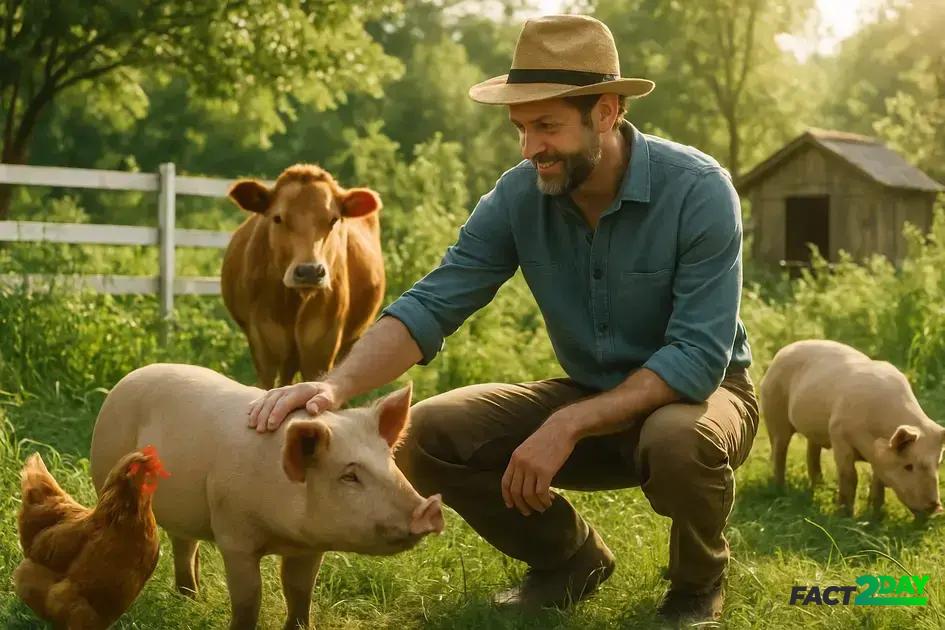
The ethics of food production focus on ensuring humane treatment of animals, minimizing environmental damage, and promoting fair social and economic practices within global food systems.
The Ethics of Food Production: Navigating Moral Landscapes from Farm to Fork
Have you ever truly considered the profound role of the ethics of food production in what ultimately lands on your plate? The choices we make as consumers, often guided by convenience, price, or taste, ripple far beyond our immediate gratification. They extend deep into complex systems that involve the welfare of sentient beings, the delicate balance of planetary ecosystems, and the socio-economic well-being of countless communities and individuals involved in bringing food to our tables. This comprehensive exploration invites us to reflect on the intricate web of responsibilities inherent in our global food system, urging a more conscious engagement with the moral landscapes of our dietary decisions.
1. The Impact of Food Production on Animal Welfare: A Moral Imperative
Modern food production practices, particularly those associated with industrial agriculture, exert an undeniable and often severe impact on animal welfare. The relentless drive for efficiency and maximizing output in systems designed to feed a burgeoning global population has, in many instances, relegated the intrinsic value and sentience of farm animals to mere units of production. This approach frequently involves confining animals in extremely restricted spaces, severely limiting their natural behaviors, and subjecting them to environments that induce chronic stress and physical suffering. Such pervasive conditions compel us to confront fundamental ethical questions about how animals are treated within our food systems.
Common Issues in Animal Welfare Within Industrial Farming
The conditions prevalent in many factory farms are a primary source of ethical concern. Practices such as the use of battery cages for hens, which provide less space than a single sheet of paper per bird, or gestation crates for pregnant pigs, which prevent the animals from even turning around, severely restrict their most basic natural behaviors. These restrictions deny animals the ability to forage, socialize, nest, or explore, leading to profound psychological distress. Furthermore, the high-density living conditions often result in significant physical harms, including:
- Physical Injuries: Overcrowding and barren environments can lead to injuries from aggressive interactions, lameness due to hard flooring, or lesions from constant rubbing against cage wires.
- Diseases: The close confinement and stress compromise immune systems, making animals more susceptible to infectious diseases, often necessitating the routine use of antibiotics.
- Stress and Behavioral Abnormalities: Animals in these systems frequently exhibit stereotypical behaviors (e.g., repetitive movements like pacing or bar-biting) that are indicative of extreme frustration and psychological suffering.
These scenarios highlight a stark contrast between the natural needs of animals and the demands of industrial production, prompting a critical re-evaluation of our moral obligations towards them.
Ethical Frameworks and the Sentience Debate
The debate surrounding animal welfare in food production is deeply rooted in various ethical frameworks. Philosophers and animal advocates often draw upon concepts such as:
- Sentience: The capacity of an animal to feel, perceive, or experience subjectively, particularly pain and pleasure. If animals are sentient, then inflicting unnecessary suffering upon them becomes a significant moral concern.
- Utilitarianism: This framework suggests that the most ethical action is the one that maximizes overall good or minimizes overall suffering. From a utilitarian perspective, the immense suffering of billions of farm animals annually presents a major ethical challenge that might outweigh the perceived benefits of cheap meat.
- Animal Rights: This perspective argues that certain animals possess inherent rights, similar to human rights, that should protect them from being used as mere property or resources.
These frameworks underscore the moral urgency of addressing the current state of animal welfare in food production.
Alternatives Promoting Better Welfare and Consumer Choices
Fortunately, viable and increasingly accessible alternatives exist that prioritize the well-being of farm animals. Sustainable food production methods, such as free-range, pasture-raised, and organic farming, are built upon principles that allow animals greater freedom of movement, access to natural light and outdoor environments, and the opportunity to express innate behaviors crucial for their physical and psychological health. These practices support healthier and significantly less stressed animals, aligning food production with more robust ethical standards. Specific enhancements include:
- Enrichment: Providing objects or environments that encourage natural behaviors, such as dust baths for chickens or straw for pigs to root in.
- Reduced Stocking Densities: Allowing more space per animal to reduce stress and aggression.
- Humane Slaughter Practices: Ensuring that animals are handled and slaughtered in a way that minimizes fear and pain.
Consumers play a pivotal role in driving this shift. An increasing number actively seek products certified for humane treatment, evidenced by labels like Certified Humane, Animal Welfare Approved, or RSPCA Assured. By choosing these options, consumers not only encourage more ethical farming practices but also contribute directly to improving the conditions for farm animals globally. This conscious consumerism fosters a market demand for higher welfare standards, signaling to the industry that animal well-being is a non-negotiable aspect of ethical food production.
2. Environmental Consequences of Modern Farming Methods: A Planetary Footprint
Modern farming methods, largely characterized by intensive, industrial-scale practices, exert profound and often detrimental environmental consequences. While designed to produce vast quantities of food, their operational models frequently undermine the very ecological systems upon which long-term food security depends. The reliance on chemical inputs, large-scale monoculture, and significant resource consumption creates a complex web of environmental degradation that demands urgent attention and systemic change.
Impact on Soil and Water Resources
The aggressive use of synthetic fertilizers and chemical pesticides is a cornerstone of conventional agriculture, yet it comes at a steep environmental price. Excess nutrients from fertilizers, particularly nitrogen and phosphorus, are not fully absorbed by crops and subsequently leach into groundwater or run off into rivers and lakes. This nutrient overload triggers eutrophication: an explosive growth of algae (algal blooms) that depletes oxygen in water bodies as it decomposes, creating vast “dead zones” where aquatic life cannot survive. This directly impacts biodiversity and ecosystem health. Furthermore, nitrate contamination of drinking water poses significant human health risks.
Soil degradation is another critical issue. Intensive tillage (plowing) and heavy machinery compact the soil, destroy its intricate structure, and release stored carbon into the atmosphere. This, coupled with a lack of crop rotation and continuous cultivation of single crops (monoculture), strips away vital topsoil, leading to severe erosion by wind and water. The loss of soil organic matter, crucial for fertility and water retention, diminishes the land’s productive capacity and its ability to act as a carbon sink. Pesticides, in turn, contaminate both soil and water, harming non-target organisms, disrupting soil microbial communities, and potentially accumulating in the food chain.
Greenhouse Gas Emissions and Climate Change Effects
Modern agriculture is a significant contributor to global greenhouse gas (GHG) emissions, playing a substantial role in accelerating climate change. Livestock farming, particularly the raising of ruminants like cattle, is a major source of methane (CH4) through enteric fermentation (their digestive process) and from the decomposition of their manure. Methane is a potent GHG, with a much higher global warming potential than carbon dioxide over a shorter timescale. Additionally, the widespread application of synthetic nitrogen fertilizers releases substantial amounts of nitrous oxide (N2O), another powerful GHG, into the atmosphere. The conversion of natural habitats, such as forests and wetlands, into agricultural land, especially for cattle ranching and cultivation of monocultures like soy or palm oil, leads to widespread deforestation. This process not only releases vast quantities of stored carbon into the atmosphere but also eliminates critical carbon sinks, further exacerbating carbon emissions and biodiversity loss.
Biodiversity Loss and Water Consumption
The expansion of agricultural land and the intensification of farming practices are leading causes of biodiversity loss. Habitat destruction, the widespread use of pesticides, and reliance on a narrow range of genetically uniform crop varieties or animal breeds diminish ecosystem resilience and make agriculture more vulnerable to pests and diseases. Furthermore, agriculture is the largest consumer of freshwater globally, accounting for approximately 70% of all freshwater withdrawals. Water-intensive crops and animal production systems exacerbate water scarcity in many regions, putting immense pressure on finite water resources.
Promoting Sustainable Farming Practices
To mitigate these devastating environmental impacts, the adoption of more sustainable agricultural practices is paramount. These include a range of innovative approaches:
- Agroforestry: Integrating trees and shrubs into farming landscapes to enhance biodiversity, improve soil health, and sequester carbon.
- Cover Cropping: Planting non-cash crops between main harvests to protect soil from erosion, suppress weeds, and add organic matter.
- Reduced or No-Tillage: Minimizing soil disturbance to preserve soil structure, increase carbon sequestration, and reduce erosion.
- Precision Agriculture: Using technology (e.g., GPS, sensors) to apply inputs like water, fertilizers, and pesticides precisely where and when needed, reducing waste and environmental impact.
- Organic Farming: Adhering to strict standards that prohibit synthetic pesticides, fertilizers, and GMOs, focusing instead on ecological processes and natural cycles.
- Regenerative Agriculture: A holistic approach that aims not just to sustain but to actively restore degraded ecosystems, improve soil health, and capture carbon.
These practices collectively aim to minimize environmental damage, promote healthier ecosystems, and build a more resilient and sustainable food system for the future.
3. Social and Economic Ethics in Global Food Systems: A Question of Justice
Beyond animal welfare and environmental impact, the global food system is fraught with complex social and economic ethics that profoundly affect the lives of millions of people worldwide. Issues surrounding fair wages, safe labor conditions, and equitable access to nutritious food are central concerns that expose deep-seated inequalities within the industry.
Labor Conditions and Exploitation
A significant portion of the agricultural workforce, particularly in developing countries but also in many industrialized nations, faces challenging and often exploitative labor conditions. Farmworkers frequently endure:
- Low Wages: Wages often fall below living wage standards, perpetuating cycles of poverty.
- Long Hours: Working extended hours, especially during harvest seasons, with inadequate rest periods.
- Unsafe Workplaces: Exposure to hazardous pesticides, dangerous machinery, and extreme weather conditions without proper protective equipment or training.
- Lack of Rights: Many agricultural workers, particularly migrant laborers, lack legal protections, healthcare access, and the right to organize, making them vulnerable to exploitation.
- Child Labor: In some regions, child labor remains a tragic reality within agricultural supply chains, violating fundamental human rights.
These widespread abuses highlight an urgent need for comprehensive ethical reforms throughout the food supply chain, ensuring that those who produce our food are afforded dignity and justice.
Fair Trade and Empowering Producers
Fair trade initiatives have emerged as a crucial mechanism to address some of these social and economic imbalances. These programs aim to support farmers and workers in developing countries by:
- Providing Fair Prices: Guaranteeing a minimum price for their produce, which often exceeds conventional market rates, thereby offering a safety net and greater financial stability.
- Social Premiums: An additional sum of money paid directly to the community to invest in local development projects, such as schools, healthcare facilities, or clean water initiatives.
- Improved Working Conditions: Promoting safer labor practices, prohibiting child and forced labor, and supporting workers’ rights to organize.
- Environmental Stewardship: Encouraging sustainable farming practices that protect ecosystems.
By fostering transparency and accountability in the supply chain, fair trade programs play a vital role in reducing exploitation and alleviating poverty among farming communities. While not without challenges, their impact demonstrates a viable path towards a more equitable global food system.
Food Security, Inequality, and Waste
The paradox of the global food system is stark: while some regions produce an abundance of food, leading to surplus and waste, others struggle with persistent hunger and malnutrition. This is not primarily a problem of insufficient global food production, but rather of profound economic inequality and significant distribution challenges. Access to nutritious food is a basic human right, yet disparities persist globally, exacerbated by poverty, conflict, climate change, and inadequate infrastructure. Communities living in “food deserts” areas with limited access to affordable, healthy food face higher rates of diet-related diseases.
Adding to this ethical dilemma is the staggering issue of food waste. Globally, approximately one-third of all food produced for human consumption is lost or wasted annually. This waste occurs at various stages: from harvest losses due to spoilage or market fluctuations, to inefficiencies in processing and distribution, and finally, significant waste at the retail and consumer level. Food waste not only represents a tragic ethical failure in a world where millions go hungry, but it also carries a substantial environmental footprint due to the resources used in production and the greenhouse gases emitted from decomposing food in landfills.
Advocating for a Just Food System
Addressing these social and economic challenges requires systemic solutions and collective action. Vital steps toward a more ethical and sustainable global food system include:
- Supporting Local Producers: Fostering shorter supply chains that benefit local economies, reduce transportation costs, and often ensure better conditions for farmers.
- Advocating for Policy Changes: Pushing for legislation that mandates living wages, strengthens worker protections, addresses monopolistic practices by large corporations, and ensures food security for all.
- Community-Supported Agriculture (CSAs): Programs where consumers directly support local farms, fostering a stronger connection between producers and eaters.
- Food Recovery Programs: Initiatives like food banks and gleaning programs that redistribute surplus food to those in need, mitigating waste and addressing hunger.
By engaging with these solutions, we can collectively work towards a food system that upholds justice and equity for all participants.
Understanding the Ethics Behind Our Food Choices
The ethics of food production represent a multifaceted and deeply interconnected web of concerns, encompassing crucial issues like animal welfare, environmental impact, and social and economic fairness. Every single choice we make about the food we eat, from our purchasing habits to our advocacy for policy changes, matters profoundly and influences these critical areas in significant ways. It is a testament to the power of our collective decisions that even seemingly small acts can contribute to broader systemic shifts.
By actively seeking knowledge about humane farming practices, supporting truly sustainable agricultural methods, and championing fair trade initiatives, we empower ourselves to support systems that genuinely respect animals, diligently protect the planet’s finite resources, and actively promote justice and dignity for all workers across the global food chain. Simple yet powerful actions, such as deliberately choosing ethically produced food, can collectively help make a tangible and positive difference, contributing to a more responsible and compassionate food landscape.
Ultimately, by thinking critically and carefully about where our food comes from, the processes it undergoes, and the people and systems it touches, we enable ourselves to become integral parts of a larger, transformative movement. This movement is dedicated to cultivating a fairer, healthier, and more sustainable food system for everyone, ensuring that the bounty on our plates aligns not only with our nutritional needs but also with our deepest ethical values.