The Bitter Sweet: The Dark and Unknown History of Chocolate Production
O lado sombrio do chocolate revela práticas desconhecidas da indústria. Descubra verdades que podem mudar sua forma de consumir esse doce popular.
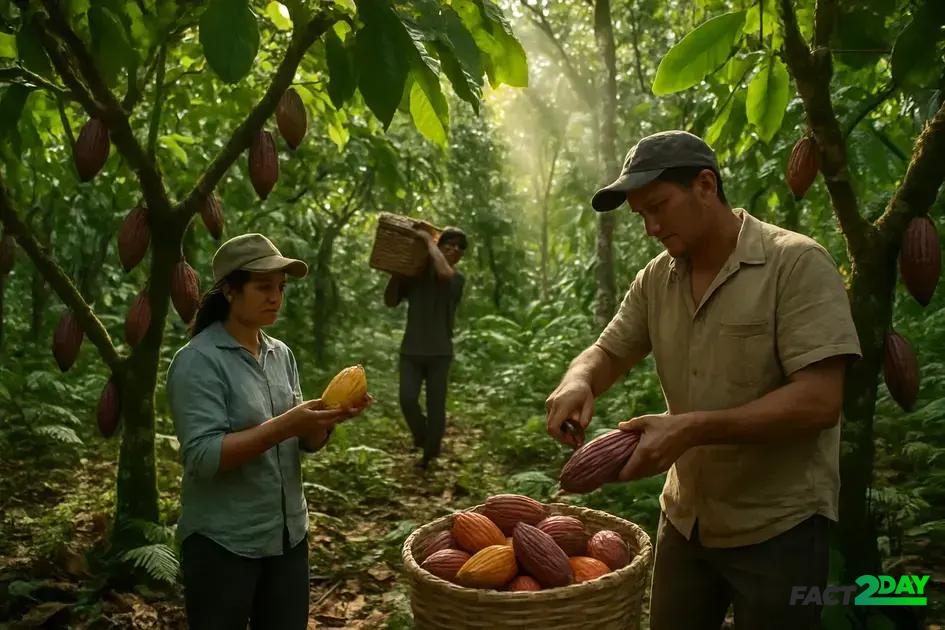
The dark side of chocolate involves social issues like child labor and poverty among cocoa farmers, environmental damage from deforestation, and the importance of choosing sustainable, fair-trade chocolate to support ethical practices and protect ecosystems.
Have you ever wondered about the dark side of chocolate? Far beyond the sweet pleasure, this story holds secrets that are not always shared. I invite you to discover what lies behind the production of chocolate as we know it.
The complex origins of cocoa production
The production of cocoa has a complex history intertwined with colonialism, slavery, and economic exploitation. Cocoa farming originated in West Africa and South America, where indigenous peoples cultivated the cacao tree for centuries. In the colonial era, Europeans established large plantations, forcing enslaved people and local communities to work under harsh conditions.
Historical Background
During the 17th and 18th centuries, cocoa became a highly valuable commodity in Europe, driving demand for cheap labor in tropical regions. The legacy of exploitation is still evident today, as many cocoa farms operate under difficult social and economic conditions.
The Role of Modern Cocoa Farming
Today, most cocoa is produced in West African countries like Ivory Coast and Ghana, which supply over 60% of the world’s cocoa. Many farmers live in poverty, facing challenges such as low prices, lack of access to education, and poor working conditions. This complexity reveals that the production of chocolate is not just about the sweet treat we enjoy, but about a web of economic and social factors.
Understanding these origins helps consumers recognize the importance of ethical practices and motivates support for sustainable and fair trade cocoa initiatives that aim to improve the lives of farmers and protect the environment.
Social and environmental impacts in the chocolate chain
The chocolate supply chain has deep social and environmental impacts that affect communities and ecosystems globally. Many cocoa farmers face poverty, child labor, and lack of basic resources like education and healthcare. These social challenges stem from unfair trade practices and low prices paid to farmers.
Social Challenges
Child labor remains a serious issue in some cocoa-producing regions, with children working long hours under hazardous conditions. Efforts by organizations and governments aim to combat these practices, but progress is slow. Farmers often lack access to fair wages, leading to persistent poverty and limited opportunities for their families.
Environmental Concerns
Cocoa farming can lead to deforestation, loss of biodiversity, and soil degradation. In many countries, forests are cleared to make room for cocoa plantations, which threatens wildlife habitats and contributes to climate change. Sustainable farming methods and certification programs promote better land use and conservation.
Addressing these social and environmental issues requires collaboration between governments, companies, and consumers. Supporting fair trade and sustainable chocolate helps improve the lives of farmers and protects the environment for future generations.
How to choose more conscious and sustainable chocolate
Choosing chocolate that is more conscious and sustainable starts with understanding the labels and certifications that indicate ethical practices. Look for certifications such as Fair Trade, Rainforest Alliance, and Organic, which signal better labor conditions and environmental care.
Identifying Ethical Chocolate Brands
Many brands now emphasize transparency in their supply chains, promoting better wages and sustainable farming. Researching brands and reading reviews can help consumers support companies committed to social responsibility and environmental protection.
Practical Tips for Conscious Chocolate Buying
Buy chocolate with a higher cocoa percentage to reduce added sugars and artificial ingredients. Supporting local or small-scale producers reduces the environmental footprint of transportation and strengthens communities. Prioritize products that use responsible packaging, minimizing plastic waste.
By making informed choices, consumers can enjoy chocolate while contributing to a fairer supply chain and protecting the planet. Every purchase matters in driving change toward a more sustainable chocolate industry.
Making a Difference with Your Chocolate Choices
Choosing sustainable and conscious chocolate is more than a simple purchase it’s a step toward supporting fair labor, protecting the environment, and encouraging better industry practices.
By paying attention to certifications and brand values, you can enjoy your favorite treat while helping improve the lives of cocoa farmers and preserving nature.
Small changes in your buying habits can drive significant improvements in the chocolate supply chain. Every mindful choice counts toward a sweeter and fairer future.