The 50/30/20 Budget Rule: Does It Still Work Today?
A plain-language look at what the split asks of you and where national spending data makes it hard to follow
A plain-language look at what the split asks of you and where national spending data makes it hard to follow
You open your banking app, see rent, groceries and insurance already claiming most of your paycheck, and wonder if the 50/30/20 rule was ever realistic. Does it still work today? Our reading is that it still works as a starting point but not as a rigid goal, and that national spending data suggests the needs bucket gets tight. That is our interpretation, not an official finding, and the sections below show the sources behind it.
What the 50/30/20 Rule Actually Says
The Three Buckets
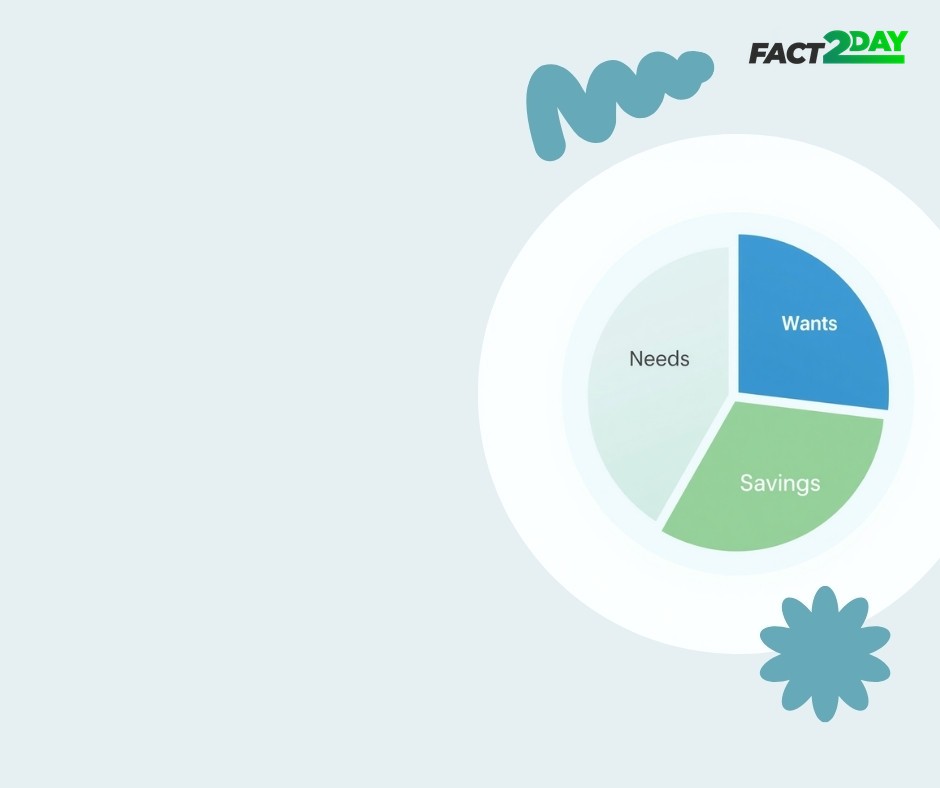
The rule divides monthly income after taxes into three groups. According to a school activity from the Consumer Financial Protection Bureau (CFPB), the plan is to use 50% of monthly net income on needs, 30% on wants and 20% on savings goals. The CFPB worksheet presents this as a rule to live by, and it describes the percentages as a suggestion rather than a requirement.
The worksheet has you divide each category total by monthly net income and compare the result with the suggested split. It says nothing about debt, housing costs or where the rule came from.
Who Gets the Credit
Fortune, a secondary source, says the rule was popularized by Senator Elizabeth Warren in her book All Your Worth: The Ultimate Lifetime Money Plan. The article does not give a year, and this guide does not either.
Needs Versus Wants Is Not Always Obvious
The hardest part of using any percentage rule is deciding which bucket a bill belongs in. The Financial Consumer Agency of Canada (FCAC) defines a need as something necessary or essential, such as housing, clothing, food and medicine. A want is something you would like to have but could live without, such as a restaurant meal, a trip or a gym membership.
What About Debt and Savings
According to Fortune, a minimum debt payment counts as a need, so it sits in the 50% bucket. Any extra payment counts as savings and goes in the 20% bucket, together with an emergency fund and retirement.
If your needs climb past half of your income, the article’s suggestion is to look for expenses to cut. It uses a 54% needs share as its example of that situation. The planners quoted in the piece say the rule suits beginners and people who want to see the big picture, and they stress that a budget is a very personal thing.
Quick Check: Which Bucket Is Squeezed?
Think about your own last month. If you had to trim one bucket first, which would it be, and why? Your honest answer shows where the rule fits your life and where it does not.
What National Spending Data Suggests
The Average Household in the United States
The Bureau of Labor Statistics (BLS) publishes the Consumer Expenditure Surveys, collected by the Census Bureau. Its 2024 results, released on December 19, 2025, show average annual spending of $78,535 per consumer unit and average income before taxes of $104,207.
Within that spending, housing averaged $26,266, which is 33.4% of total spending and 3.3% higher than in 2023. Transportation averaged $13,318 (17.0%), food $10,169 (12.9%) and health care $6,197 (7.9%). Entertainment came to $3,609, and personal insurance and pensions to $9,797. Housing and transportation together account for more than half of what households spend.
A Calculation on Gross Income
Here is a calculation of our own, not a figure the BLS reports. Dividing average housing spending of $26,266 by average income before taxes of $104,207 gives roughly 25.2%. Adding health care and food brings those three items to about 41% of gross income, and that still leaves out transportation, insurance and other bills. Remember that this is a national average. It does not describe a low-income household or someone living in an expensive city.
The BLS did not release average income after taxes for 2024, so these figures cannot be lined up directly against a rule built on net income.
Our Reading of the Numbers
No source we reviewed says the rule fails in high-cost places, so take this as our own interpretation of the BLS data and not as a claim from an agency. Because housing alone takes about a quarter of average gross income, and housing, food and health care together take about 41%, the needs bucket looks tight even before transportation and insurance are counted. For a household in an area where housing costs more than the national average, staying near 50% for needs would likely be harder still. That is an inference, and your own bills are the better test.
Is the Rule Still Useful
Our view is that the rule works best as a quick diagnostic. It gives you three questions: how much goes to must-haves, how much to extras, and how much to your future. The FCAC budgeting page does not describe a percentage rule, so do not present it as official Canadian guidance. That agency points instead to its Budget Planner, which compares each category with reference averages and flags them with green, yellow and red alerts.
How to Adapt It to Your Situation
These steps follow FCAC guidance on budgeting, with our own suggestions where noted. First, record every expense for one or two months, including small ones. Second, sort each one into needs or wants, remembering that the line varies by person. Third, compare your budget with what you actually spent every month, and update it whenever income or bills change. Fourth, aim for an emergency fund covering three to six months of expenses.
To test your numbers, use the CFPB method of dividing each category by monthly net income. As an illustration (illustrative example), a $4,000 monthly net income would mean $2,000 for needs, $1,200 for wants and $800 for savings goals. If your needs total $2,400, that is 60% of net income. As a suggestion of our own, you could lower wants first, or keep a smaller but steady savings amount until your bills ease.
Frequently Asked Questions
Is the 50/30/20 rule based on income before or after taxes?
The CFPB worksheet bases each percentage on monthly net income, meaning income after taxes.
Does the Canadian government recommend the 50/30/20 rule?
No. The FCAC budgeting page does not describe a percentage rule like this one. It recommends tracking your spending, separating needs from wants, and using its Budget Planner to compare each category with reference averages.
Where do debt payments go in the rule?
According to Fortune, a minimum payment counts as a need and any extra payment counts as savings, alongside an emergency fund and retirement.
What should I do if my needs are above 50%?
Fortune suggests cutting expenses, and the CFPB calls the percentages a suggestion. In our view, treat the split as a direction and check it against your actual bills.
This content is for informational purposes only and does not constitute personalized financial advice. Terms and conditions change, so confirm the details with the official provider before making a decision.
Last reviewed: 2026-10-19
Sources consulted:
- https://files.consumerfinance.gov/f/documents/cfpb_building_block_activities_analyzing-budgets_worksheet.pdf
- https://www.canada.ca/en/financial-consumer-agency/services/make-budget.html
- https://www.bls.gov/cex/
- https://www.bls.gov/news.release/cesan.nr0.htm
- https://fortune.com/article/how-to-budget-50-30-20-rule/