The Taste of Panic: How Fear and Adrenaline Alter Our Palate and Food Preferences
Taste of Fear reveals how panic and adrenaline reshape our palate and food choices, turning meals into unexpected experiences.
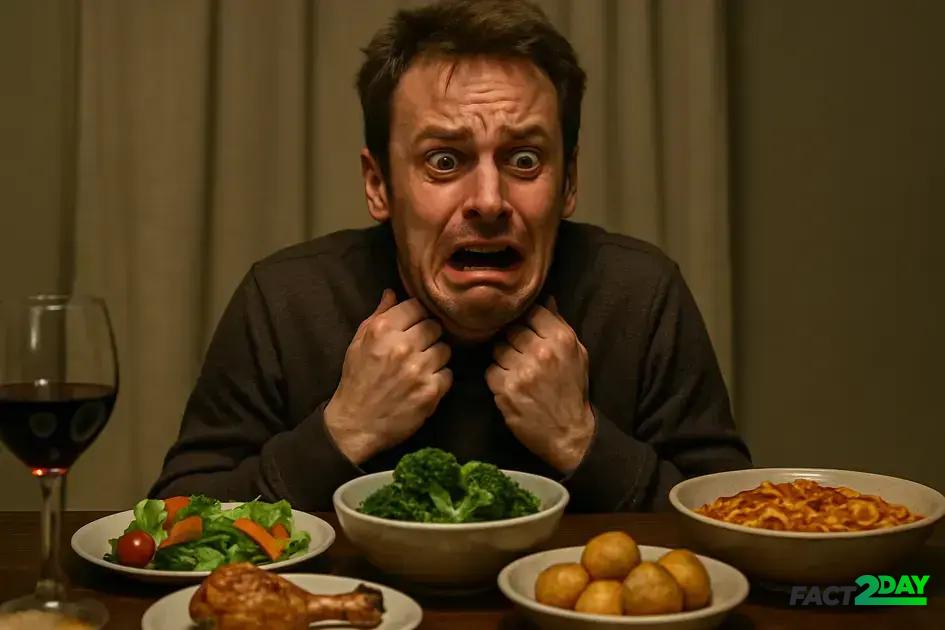
Frisson describes the sudden chill or goosebumps caused when the brain activates both reward and fear systems simultaneously, creating a thrilling experience of perceived danger and enjoyment.
Have you ever wondered how fear changes what you want to eat? Taste of Fear explores how panic and adrenaline tinker with our senses and food preferences in surprising ways. It’s as if your taste buds suddenly betray you when your heartbeat races.
The science behind fear and adrenaline
Fear triggers a complex biological response in our bodies, primarily driven by the release of adrenaline and other stress hormones. This reaction, known as the “fight or flight” response, prepares us to respond quickly to danger by increasing heart rate, blood flow, and alertness. But these changes do more than just gear us up for action—they also influence our senses, including taste.
Adrenaline affects the brain’s processing of sensory information, altering how we perceive flavors and textures. For instance, during moments of intense fear, the body prioritizes survival functions, which can dull our ability to fully enjoy food or shift our preferences toward certain tastes such as bitter or sour, which might signal danger or spoilage.
Scientific studies show that fear-induced adrenaline spikes can also impact the digestive system, altering appetite and the way the body metabolizes food. This interplay between emotion and physiology means our palate is not just about taste buds but also the state of our nervous system and hormonal balance.
Understanding the science behind fear and adrenaline helps explain why on edge moments can make simple meals taste different or why some people avoid food entirely when scared. The brain’s chemistry during these episodes is a key factor in changing food preferences and eating behavior under stress.
How fear affects taste perception
Fear can have a surprising impact on how we perceive taste. When we feel scared, the brain sends signals that reshape our sensory experience, making certain flavors more or less intense. This shift is mainly due to the body’s release of stress hormones like adrenaline and cortisol.
These hormones can dull sweet and salty flavors while sharpening bitter or sour tastes. This biological response may have evolved to help humans detect harmful substances, as bitterness often signals toxicity in food. When fear strikes, our body becomes hyper-alert, prioritizing survival over culinary enjoyment.
Furthermore, fear can reduce saliva production, which is essential for tasting food properly. Less saliva means tastes are less intense and foods may seem bland or unusual. This can lead to changes in appetite or preferences during stressful situations.
Studies also show that psychological factors linked to fear, such as anxiety, can influence taste perception, making foods seem less appealing or causing sudden aversions. Understanding this connection explains why some people lose interest in food when frightened, while others might crave comfort foods to counteract the stress.
The role of adrenaline in sensory changes
Adrenaline, also known as epinephrine, plays a crucial role in how our senses change during moments of fear or stress. When released into the bloodstream, adrenaline prepares the body for quick action by sharpening certain senses while dampening others.
This hormone enhances alertness by stimulating the nervous system, which heightens vision and hearing to detect threats more clearly. Similarly, adrenaline influences taste and smell, often shifting preferences and intensifying or dulling specific flavors.
One reason for these changes is that adrenaline redistributes blood flow toward vital organs and muscles while reducing it in the digestive system. This can cause a temporary decline in taste sensitivity or create a preference for stronger, more pungent tastes that might signal danger or spoilage.
Moreover, adrenaline impacts the brain’s perception of sensory input by modifying neurotransmitter activity. This alteration may result in heightened awareness of bitter or sour tastes, as these can be warning signs in nature.
Understanding the role of adrenaline in sensory changes offers insight into why food often tastes different under stress or fear and how our bodies prioritize survival over pleasure in these moments.
Psychological impact of fear on eating habits
Fear can significantly influence our eating habits through psychological mechanisms. When faced with fear or anxiety, many people experience changes in appetite, often losing interest in food or, conversely, seeking comfort through eating.
Stress hormones like cortisol released during fearful situations affect brain areas that regulate hunger and satiety, altering the signals that tell us when to eat or stop eating. This can lead to irregular meal patterns or cravings for specific types of food.
Some individuals might avoid eating altogether because fear can trigger nausea or a tight feeling in the stomach, while others may overeat sugary or fatty comfort foods as a coping strategy to soothe emotional distress.
Fear also affects decision-making, causing people to choose foods that are familiar or perceived as safe, sometimes avoiding new or complex flavors. These changes highlight how deeply interconnected our emotions and dietary behaviors are.
Understanding the psychological impact of fear on eating habits helps explain why stress can lead to either loss of appetite or overeating, which can influence overall health and well-being.
Fear-induced changes in food preferences
Fear can dramatically shift our food preferences, often pushing us toward different tastes and textures than usual. When frightened, the body’s stress responses influence cravings and aversions in ways that aim to protect us.
Common fear-induced changes include a preference for strong flavors such as bitter or sour, which may historically signal dangers like spoiled food. Our bodies may also crave high-energy foods rich in fats and sugars to prepare for quick action.
Additionally, people might avoid complex or unfamiliar dishes during fearful moments, opting instead for simple, familiar comfort foods that provide psychological reassurance.
These changes are thought to be rooted in evolution, helping early humans survive by steering them toward safer, energy-dense foods during stressful times.
Understanding how fear impacts food choices sheds light on unusual eating behaviors during anxiety and stress and explains why our palate can seem to shift abruptly under pressure.
Examples of fear altering meal enjoyment
Fear can drastically change how we enjoy meals, affecting both the perception of taste and the emotional experience around eating. For example, some people report that familiar dishes taste bland or even unpleasant when they are anxious or scared.
Heightened senses during fear can make certain flavors overwhelming. Spicy, bitter, or sour foods may feel too intense, while sweet or salty flavors might seem muted. This can cause a loss of appetite or a shift in food choices.
In extreme cases, fear can trigger nausea or dry mouth, making it difficult to swallow or enjoy food fully. This reaction often happens in stressful settings such as before a public speech or during a frightening event.
On the other hand, some seek out comfort foods during fearful moments, finding solace in familiar tastes like creamy desserts or warm soups. These foods can provide emotional relief, helping to calm nerves.
Overall, these examples highlight how fear not only changes taste perception but also influences the emotional connection to food, altering meal enjoyment in profound ways.
Evolutionary reasons for fear affecting taste
Fear’s impact on taste likely has deep evolutionary roots. In early human history, the ability to quickly detect harmful or spoiled food was crucial for survival. Fear heightened the senses, especially taste, to help identify dangerous substances and avoid poisoning.
Bitter and sour tastes often signal toxins in nature. When afraid, the body heightens sensitivity to these flavors, encouraging caution and promoting avoidance of potentially harmful food.
Additionally, fear triggers the fight-or-flight response, which prepares the body to react swiftly. During this state, the body reallocates energy away from digestion and towards muscles and vital organs, reducing appetite and dulling taste. This response helped our ancestors focus on immediate threats rather than on eating.
Over time, these mechanisms became ingrained, explaining why modern humans still experience changes in taste during fear or stress. Understanding this evolutionary background clarifies how our bodies balance survival instincts with sensory experiences like taste.
Fear and its impact on digestive processes
Fear triggers a strong response in the body’s digestive system. When frightened, the body activates the sympathetic nervous system, which slows down digestion to focus energy on dealing with immediate threats.
This response reduces blood flow to the stomach and intestines, leading to slower digestion and sometimes causing discomfort like nausea or stomach cramps. As a result, appetite often decreases during fearful moments.
Stress hormones like adrenaline and cortisol also affect the production of digestive acids and enzymes, which can alter how food is broken down and absorbed. This can impact nutrient absorption and lead to sensations of fullness or indigestion.
In some cases, chronic fear or anxiety may contribute to digestive disorders such as irritable bowel syndrome (IBS), where the gut becomes more sensitive and reactive.
Understanding how fear influences digestive processes helps explain the common experience of upset stomachs during stress and why food preferences may change when we are afraid.
Cultural perspectives on fear and food
Different cultures view the relationship between fear and food in unique ways. For some, food is a source of comfort during fearful times, while in others, certain foods or eating rituals are believed to ward off fear and evil spirits.
In many cultures, comfort foods like warm soups or sweet treats are used to soothe anxiety and provide a sense of safety. These foods often connect to childhood memories and family traditions, making them especially powerful when emotions run high.
Other cultures incorporate specific foods or spices believed to have protective or calming properties. For example, some communities use chili peppers or garlic to fight off negative energies, linking taste directly to emotion and spiritual well-being.
The way fear influences eating habits can also be shaped by religious or social beliefs. Certain fasting practices or restrictions might be heightened during fearful or stressful events, reflecting a broader cultural approach to managing emotions.
Understanding these cultural perspectives on fear and food reveals how deeply intertwined our emotional states and eating behaviors are across different societies.
How to manage fear-related eating changes
Managing changes in eating caused by fear involves understanding how stress affects the body and mind, and adopting strategies to maintain healthy habits. Recognizing the signs of fear-related appetite loss or overeating is the first step toward managing these changes.
Practice mindful eating to reconnect with your body’s hunger and fullness signals. This means eating slowly, focusing on the taste and texture of food, and avoiding distractions like screens during meals.
Maintaining a balanced diet with familiar, comforting foods can help reduce anxiety around eating. Incorporate nutrient-rich options to support your body’s needs during stress.
Regular physical activity and deep-breathing exercises can lower stress hormones, which may help normalize appetite and digestion. Seeking support from friends, family, or professionals is also beneficial when fear severely impacts eating behavior.
Creating a structured eating schedule can prevent skipping meals or binge eating, allowing your body to maintain stable energy levels. Understanding and managing fear-related eating changes promotes better physical and emotional well-being during stressful times.
The future of research on fear and food preferences
Research on fear and food preferences is evolving quickly, uncovering how emotions shape what we eat and how we experience flavors. Future studies aim to explore the detailed brain mechanisms that link fear responses with changes in taste sensitivity and food choice.
Advances in neuroscience and imaging technologies will allow researchers to observe real-time changes in brain activity during fear-induced eating behaviors. This could lead to new insights about how stress hormones influence neural pathways related to taste and appetite.
Additionally, research is focusing on personalized approaches to managing fear-related eating habits. By understanding genetic and psychological differences, scientists hope to develop targeted interventions that help people maintain healthy diets during stressful times.
Emerging studies also explore how virtual reality and artificial intelligence can simulate fear contexts to better analyze their effects on food preferences and eating patterns, thus opening new doors for treatment and prevention.
The future of research on fear and food preferences is promising, with potential to improve mental health, nutrition strategies, and overall well-being.
Understanding the taste of fear
Fear and adrenaline have a strong influence on our palate and food preferences. These natural responses change how we taste food and what we want to eat, helping our bodies focus on survival.
By exploring the science behind these changes and their psychological and cultural effects, we gain insight into why food experiences shift during stress and fear.
Ongoing research promises to deepen our understanding and improve ways to manage fear-related eating habits for better health and well-being.
Learning to recognize and adapt to these changes can help us maintain a balanced relationship with food, even in challenging moments.