Tardigrades Can Survive Space and Boiling Temperatures
Discover how tardigrade survival defies extremes, from boiling heat to the vacuum of space, challenging what we know about life.
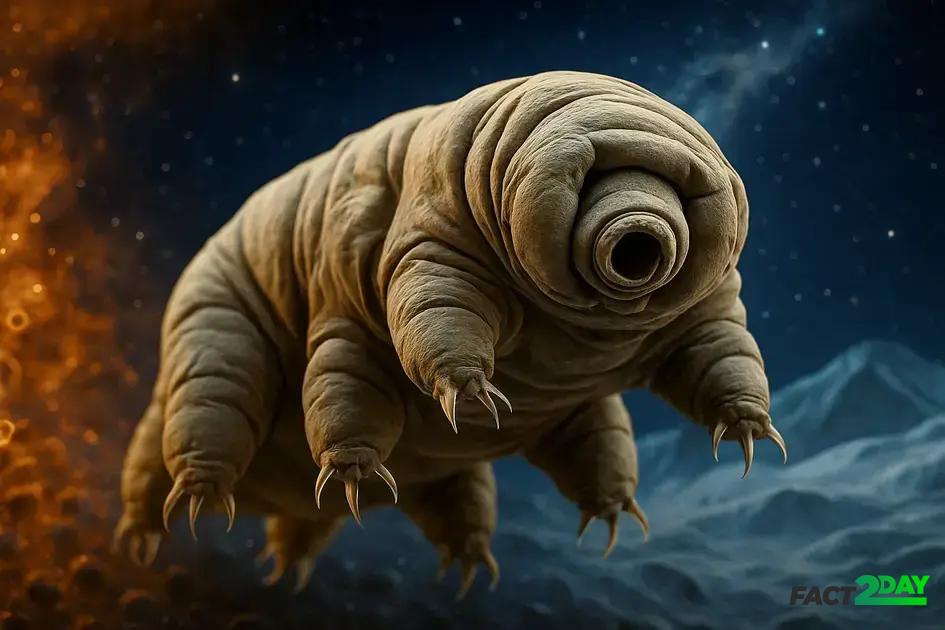
Tardigrade survival is enabled by their ability to enter cryptobiosis, allowing them to withstand extreme temperatures, radiation, dehydration, and even the vacuum of space by halting metabolism and protecting cellular structures.
Tardigrade survival fascinates scientists and curious minds alike. Ever wondered how these tiny creatures withstand boiling temperatures and the harsh void of space? Dive into their extraordinary world and uncover surprising survival secrets.
What makes tardigrades unique survivors
Tardigrades are unique survivors because of their incredible ability to withstand extreme conditions that would kill most other life forms. These microscopic creatures, often called water bears, can survive drastic changes in temperature, radiation, pressure, and even the vacuum of space. One key to their resilience is their ability to enter a state known as cryptobiosis, where their metabolic processes nearly stop, allowing them to endure harsh environments for years.
Adaptations That Aid Survival
Tardigrades have a tough outer cuticle that protects them from physical damage. Inside, they produce special proteins and sugars like trehalose, which stabilize their cells and prevent damage during dehydration or freezing. Their DNA repair mechanisms are highly efficient, enabling them to fix harmful effects caused by radiation or other stressors.
Survival Beyond Earth
What sets tardigrades apart is their ability to survive in space. Experiments have shown that they can live through exposure to cosmic radiation and the vacuum environment, making them the only known multicellular organisms with this ability.
Understanding what makes tardigrades unique survivors not only fascinates scientists but also offers insights into biology and potential applications in medicine and astrobiology.
How tardigrades endure extreme temperatures
Tardigrades endure extreme temperatures by entering a state called anhydrobiosis, where they lose almost all their body water and effectively shut down their metabolism. This state allows them to survive freezing cold below -200°F and boiling temperatures above 300°F for short periods. Key to this survival is the production of trehalose sugar, which protects their cells by replacing water and stabilizing cell membranes during dehydration.
Protective Mechanisms Against Heat and Cold
Tardigrades also produce special proteins called heat shock proteins that help prevent damage to other proteins in their bodies during temperature extremes. Their DNA repair abilities fix damage caused by heat and cold once favorable conditions return. These processes together make tardigrades incredibly resistant to temperature shifts that would be lethal to most animals.
Their ability to survive such conditions not only marks them as extraordinary extremophiles but also inspires research in fields like cryopreservation and space biology.
The science behind their survival in space
The science behind tardigrades’ survival in space lies in their remarkable ability to endure extreme conditions such as vacuum, radiation, and temperature fluctuations. When exposed to space, tardigrades enter a state called cryptobiosis, where their metabolic activity nearly ceases. This allows them to resist damage from the vacuum of space and intense cosmic radiation that would normally destroy cells.
Protection from Radiation and Vacuum
Tardigrades produce unique proteins that protect their DNA from radiation damage, preventing mutations and breaks. Their Dsup (damage suppressor) protein binds to DNA and shields it effectively. Furthermore, their cells can repair any damage once they return to favorable conditions.
Metabolic Shutdown and Recovery
During space exposure, metabolism stops, water is removed from cells, and molecular structures shift to stable forms. Upon return to Earth-like conditions, tardigrades rapidly rehydrate and restore normal biological functions. This ability to pause life processes and repair damage is key to their space survival.
Studying how tardigrades survive space conditions helps scientists understand life’s limits and could inform future space travel and astrobiology research.
The role of cryptobiosis in tardigrade survival
Cryptobiosis is a critical survival strategy used by tardigrades to withstand extreme environmental conditions. In this state, tardigrades suspend their metabolism almost entirely, allowing them to survive without water and endure extreme heat, cold, and radiation. During cryptobiosis, tardigrades curl into a dehydrated ball called a tun, which protects their internal structures from damage.
Mechanisms of Cryptobiosis
When entering cryptobiosis, tardigrades expel most of the water from their bodies and produce protective molecules like trehalose sugar and specific proteins. These molecules stabilize cell membranes and proteins, preventing damage from dehydration and temperature stress. This mechanism allows them to remain viable for years until favorable conditions return.
Types of Cryptobiosis
There are several types of cryptobiosis, including anhydrobiosis (desiccation tolerance), cryobiosis (freezing tolerance), and anoxia (lack of oxygen) tolerance. Tardigrades can switch between these depending on the environmental stress, showcasing their remarkable adaptability.
Cryptobiosis is what sets tardigrades apart from many other organisms, enabling them to survive conditions that would be fatal to most life forms.
Comparing tardigrades to other extremophiles
Tardigrades stand out among extremophiles because of their ability to survive many harsh conditions that others cannot endure simultaneously. Extremophiles like thermophiles thrive in high temperatures, and halophiles live in salty environments. However, tardigrades can withstand extreme heat, cold, radiation, dehydration, and even the vacuum of space.
Unique Survival Strategies
While many extremophiles depend on specialized enzymes or unique cell structures to survive specific conditions, tardigrades use cryptobiosis to effectively pause life processes and protect themselves from damage. This versatile tactic allows them to survive a wider range of stresses than most other extremophiles.
Resilience Comparison
For example, thermophiles cannot survive freezing temperatures, and acidophiles are harmed outside their acidic environments. In contrast, tardigrades can endure complete dehydration and extreme radiation doses that would be lethal to other extremophiles.
This broad resilience makes tardigrades a fascinating subject for scientists studying life’s limits and potential survival in outer space or extreme terrestrial environments.
Potential applications of tardigrade biology
The study of tardigrade biology has opened new possibilities for various fields, from medicine to space exploration. Their ability to survive extreme conditions can inspire innovations like improved preservation of biological materials and development of radiation-resistant technologies.
Medical and Biotechnological Uses
Tardigrades’ protective molecules may lead to breakthroughs in preserving cells, vaccines, and tissues during transport or storage. Their DNA repair mechanisms also offer insights that could help improve human responses to DNA damage and aging.
Space and Environmental Applications
Their survival in space suggests potential for developing life-support systems and biological shielding for astronauts. Additionally, studying tardigrades might help create crops and organisms engineered to withstand harsh climates and environmental stress.
The unique features of tardigrades position them as a valuable model for solving challenges related to preservation, radiation protection, and resilience in extreme environments.
Challenges studying tardigrades in extreme conditions
Studying tardigrades in extreme conditions presents several challenges due to their microscopic size and the complexity of replicating harsh environments in a lab. Precise control of variables like temperature, pressure, and radiation levels is necessary to observe how tardigrades respond.
Technical Difficulties
Handling tardigrades requires specialized microscopes and equipment to track their behavior without harming them. Moreover, simulating environments such as outer space or deep-sea pressure on a small scale can be expensive and technically demanding.
Biological Complexities
Tardigrades’ ability to enter cryptobiosis makes it challenging to study their metabolic processes since they can effectively pause life functions. Researchers must carefully time experiments to capture active phases and rehydration periods.
Despite these challenges, advances in technology continue to improve our understanding of how tardigrades survive, opening doors for new scientific discoveries.
Future research directions in tardigrade survival
Future research on tardigrade survival focuses on understanding their extreme resilience at the molecular and genetic levels. Scientists aim to uncover more details about the proteins and genes responsible for their ability to withstand dehydration, radiation, and space conditions.
Genetic Engineering and Biotechnology
Researchers are exploring ways to apply tardigrade genes to other organisms, potentially enhancing crop resistance to harsh climates or improving human cell survival in medical treatments.
Space Exploration and Astrobiology
Studying tardigrades can inform long-term space missions by helping develop biological protections for astronauts. Research also looks at life’s potential to survive on other planets or in space environments by understanding tardigrades’ adaptability.
As technology advances, future studies will likely reveal more about how tardigrades tolerate extreme stresses, opening doors to innovative applications in science and technology.
Understanding the resilience of tardigrades
Tardigrades are truly remarkable creatures that challenge our ideas of survival. Their ability to withstand extreme temperatures, radiation, and even the vacuum of space shows us how life can adapt in unexpected ways.
By studying these tiny animals, scientists hope to unlock secrets that could help improve medicine, agriculture, and space travel. The ongoing research into tardigrade survival could lead to exciting breakthroughs in protecting life in harsh environments.
As we learn more, tardigrades remind us of nature’s incredible resilience and inspire us to explore new frontiers in science and technology.