Eating Colors, Tasting Sounds: The Curious Connection Between Synesthesia and Food Perception
Explore the fascinating world of Synesthesia & Food, where colors blend with flavors and sounds shape tastes in unique sensory experiences.
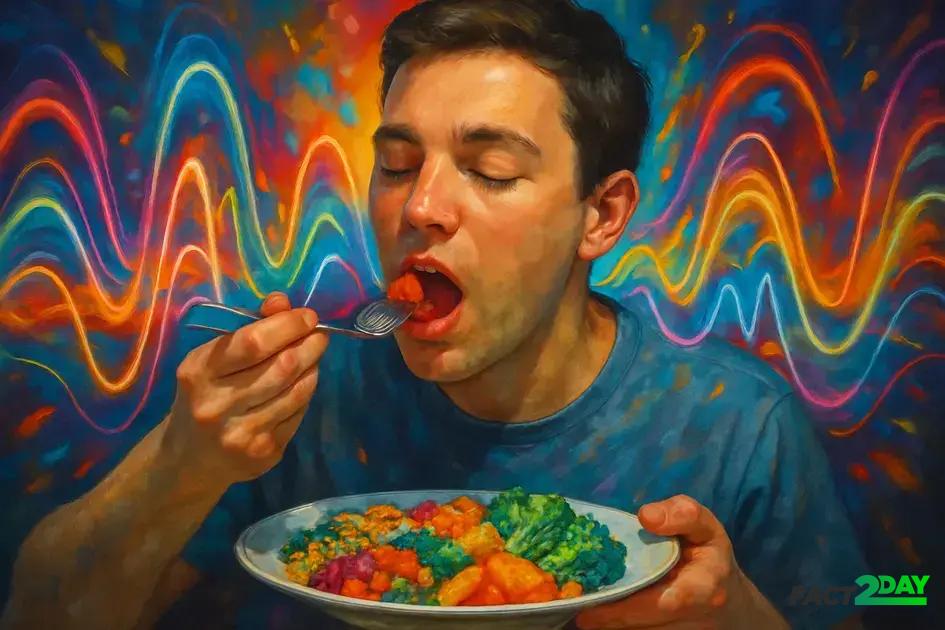
Synesthesia & Food describes how sensory crossover causes individuals to blend flavors, colors, and sounds, creating unique multi-sensory experiences that deeply influence food perception and enjoyment.
Have you ever wondered how Synesthesia & Food intertwine to create a rich sensory tapestry? This curious connection invites us to experience flavors with our eyes and sounds, turning every meal into a multisensory journey.
what is synesthesia and how does it influence senses
Synesthesia is a unique neurological condition where the stimulation of one sense causes an automatic and involuntary experience in another. For example, a person might “see” colors when they hear music or “taste” flavors when reading words. This fascinating blend of senses is not just a curiosity; it deeply influences how individuals perceive the world around them.
In the context of food, synesthesia can create vivid sensory crossovers. Someone might associate a specific taste with a particular color or even a sound, making eating a truly multi-dimensional experience. This influence goes beyond normal tasting, involving emotional and sensory memories linked to colors or sounds.
Understanding synesthesia’s impact helps us appreciate how senses are interconnected. It challenges the traditional boundaries by showing that perception is not isolated but a rich interplay of sensory data. This can explain why certain foods might “feel” more vibrant or why some people prefer colorful dishes paired with specific music.
Research suggests that synesthesia results from increased communication between sensory areas of the brain. This enhanced connection allows stimuli from one sense to trigger responses in others. Therefore, synesthesia not only modifies sensory experiences but enriches them, creating a colorful tapestry of perception that shapes how food is enjoyed.
the science behind food perception and sensory crossover
Food perception is a complex process involving multiple senses working together. When we eat, our brain combines information from taste, smell, sight, touch, and even sound to create the overall experience. This blending of senses is known as sensory crossover and plays a key role in how we enjoy food.
The science behind sensory crossover reveals that the brain’s sensory areas communicate more than previously thought. For example, the taste of food is influenced not only by the tongue but also by aromas detected by the nose. The appearance of food, such as its color and texture, can completely change how we perceive flavor.
Studies show that color significantly affects taste perception. A red drink, for instance, is often expected to taste sweet like strawberry, even if it’s flavored differently. This phenomenon is linked to learned associations that guide our expectations and enjoyment.
Moreover, certain sounds can change the taste experience. Crunchy sounds may enhance the perception of freshness or crispiness, while background music can affect mood and alter how flavors are perceived. These cross-modal interactions highlight the brain’s role in combining sensory input to shape food perception.
Understanding this science helps chefs and food designers create more engaging meals by manipulating sensory cues. It also explains why people with synesthesia experience food in unique and memorable ways, as their sensory crossover is naturally enhanced.
examples of food-related synesthesia experiences
Food-related synesthesia experiences vary widely among individuals but often involve vivid cross-sensory perceptions. For example, some people see specific colors when tasting certain foods, such as bright red for strawberries or deep blue for blueberries. These colors are not imagined but experienced as real sensory impressions during eating.
Others may associate sounds or music with flavors. A synesthete might “taste” a melody when eating chocolate or feel that spicy food has a sharp, high-pitched sound. These perceptions enhance the eating experience, making it rich and multi-layered.
Texture and shape also play a role in synesthetic food experiences. Some individuals report feeling a particular texture as having a color or even a personality. For example, smooth and creamy foods might be perceived as soft blue, while crunchy items might feel sharp and vibrant.
Some notable examples include people who identify letters or numbers with tastes, which extend to foods associated with those letters. For instance, the letter “B” might taste like banana or butter. This blending creates a unique food perception that is deeply personal.
Food synesthesia offers an enhanced way to explore flavors and textures. By understanding these experiences, we gain insight into how senses are connected and how food can become a source of unexpected delight and discovery.
how synesthesia changes the way we enjoy meals
Synesthesia transforms the dining experience by blending senses, making meals more vivid and emotionally rich. Instead of simply tasting food, synesthetes might see colors, hear sounds, or feel textures linked to their flavors. This multi-sensory perception can elevate simple dishes into extraordinary moments.
For example, a bite of chocolate might evoke a deep shade of purple or a soft melody in the mind of a synesthete. This connection often creates a stronger emotional bond to food, enhancing pleasure and memory. It can also make familiar tastes feel entirely new and exciting.
Synesthesia changes not only individual perception but also influences food choices and presentation preferences. People with this condition might prefer colorful meals or seek out music that complements their taste experiences. This shows how sensory overlap impacts appetite and enjoyment.
Moreover, synesthetic experiences encourage mindfulness during eating. By engaging multiple senses at once, diners often become more aware of textures, aromas, and subtle flavors. This deeper attention creates a unique appreciation for food that many without synesthesia may not experience.
Understanding how synesthesia alters meal enjoyment highlights the complexity of taste and perception. It reveals that food is not just nourishment but an intricate sensory event shaped by the brain’s fascinating wiring.
the role of color in enhancing food flavor perception
Color plays a vital role in how we perceive food flavors. It sets expectations before we even taste a bite. Bright, vibrant colors often suggest freshness and sweetness, while dull colors may imply bland or stale flavors. This immediate visual cue influences how our brain anticipates taste.
Studies show that color can actually change flavor perception. For example, drinks colored red are often perceived as sweeter than the same drinks in green or blue, even if the flavor is identical. This happens because our brains link certain colors with specific tastes based on past experiences and cultural meanings.
Color also impacts appetite and food choices. People are naturally attracted to foods that look appealing and colorful, which can encourage healthier eating habits like including more fruits and vegetables. Chefs use this knowledge by plating dishes with contrasting colors to enhance the overall dining experience.
Synesthetes, who experience color-taste relationships naturally, provide strong clues about color’s influence on flavor. Their unique perception highlights how deeply intertwined color and taste are in the brain’s processing of food.
Understanding the role of color helps us appreciate that flavor is more than just taste buds sensing molecules. It is a multisensory experience enriched by visual cues that shape our enjoyment and satisfaction with food.
tasting sounds: understanding auditory influences on eating
Auditory influences can have a surprising effect on how we experience taste. The sounds we hear while eating, such as crunching or background music, work together with our other senses to shape our food perception. This connection is part of what makes dining a full sensory experience.
Crunchy sounds, for example, play a key role in how fresh or crispy food feels. The louder and crisper the sound, the more we tend to enjoy the texture and quality. Think about the satisfying crunch of a fresh apple or crispy fried chicken—this auditory cue enhances the eating experience significantly.
Background sounds like music also influence taste perceptions. Studies show that certain music genres or tempos can make food taste sweeter, saltier, or even more bitter. This happens because sound affects mood and attention, which in turn shape how we perceive flavors.
The brain combines these auditory signals with taste and smell cues to build a complete picture of the food’s qualities. For people with synesthesia, these connections can be even more vivid, as they might literally “taste” sounds or hear “flavors”.
Understanding how sound affects taste can be useful for restaurants and home cooks alike, helping create atmosphere and menus that maximize enjoyment through sound design and music choice.
practical ways to explore synesthesia through food experiments
Exploring synesthesia through food experiments is an exciting way to engage multiple senses and discover unique flavor experiences. You can start by pairing colorful foods with music or sounds that you feel match their taste. For example, try eating a sweet, red strawberry while listening to soft, melodic tunes and notice any connections between flavor and sound.
Experiment with contrasting colors and textures. Combine vibrant fruits with crunchy or creamy elements to observe how visual and tactile senses influence taste perception. Paying attention to how color and texture affect flavor can reveal your personal sensory associations.
Another way is to use different spices or herbs to create distinct flavor profiles and associate them with colors or sounds. Keep a journal of your sensations, noting any recurring patterns that might suggest synesthetic experiences.
Hosting a tasting party with friends can also be fun. Play various music genres while sampling diverse foods and compare how the sounds impact everyone’s taste perception. This social approach helps explore how sensory crossover varies among people.
Using aroma and lighting adjustments during meals can enhance or alter flavor perception. Experiment in dim light versus bright light or add aromatic elements like vanilla or citrus to the environment to see how these factors shape your food experience.
These practical food experiments not only make eating more enjoyable but can also deepen your understanding of synesthesia and sensory integration.
how synesthesia can inspire chefs and food creativity
Synesthesia offers a fresh perspective for chefs and food creators by unlocking new ways to combine flavors, colors, and even sounds. Chefs inspired by synesthetic experiences often experiment with pairing unexpected ingredients to evoke unique sensory reactions. This approach transforms cooking into an art form that engages multiple senses simultaneously.
For instance, a chef might design a dish where the color palette corresponds with specific tastes or aromas, creating harmony between visual appeal and flavor. This method can heighten the diner’s emotional response and make meals memorable.
Some culinary artists use music or sound as part of the dining experience, matching certain dishes with tunes that complement or enhance the flavors. This multi-sensory approach draws heavily on synesthetic principles and expands creative possibilities in food presentation and storytelling.
Synesthesia also encourages innovation in texture and plating. Chefs experiment with contrasts and layers that not only taste good but also feel and look intriguing. This encourages diners to explore food more mindfully, appreciating the complex interplay of senses.
By embracing synesthetic ideas, chefs push boundaries beyond traditional cooking, inspiring new food trends and experiences that captivate all the senses. This creative synergy sparks curiosity and delights, making each meal a distinct artistic expression.
Embracing the colorful world of synesthesia and food
Understanding the connection between synesthesia and food perception opens up a new way to enjoy meals. By engaging multiple senses, we can discover richer, more exciting flavors and experiences.
Whether through colors, sounds, or textures, synesthesia shows how our brains weave together senses to create unique tastes. This insight inspires both food lovers and chefs to explore creativity beyond traditional boundaries.
By paying attention to sensory details, anyone can turn eating into a joyful, multisensory adventure. So next time you eat, think about the colors you see and the sounds you hear—they might just change the way you taste forever.