Beyond Plastic: Innovations in Sustainable Food Packaging for a Greener Planet
Explore cutting-edge innovations in Sustainable Packaging Food Industry transforming how we protect and preserve food sustainably for a greener planet.
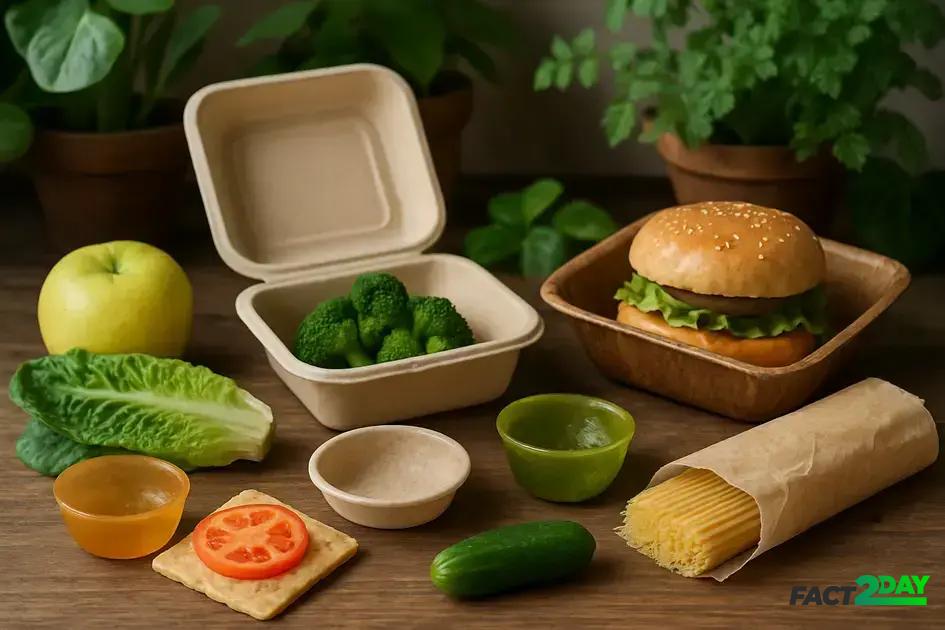
Sustainable Packaging in the Food Industry: A Greener Path Ahead
Have you ever noticed how much waste food packaging creates? Sustainable Packaging Food Industry innovations are quietly changing this reality. Let’s uncover how these clever solutions are shaping a greener planet, one package at a time.
The Environmental Impact of Traditional Food Packaging
Traditional food packaging, often made from plastic and other non-biodegradable materials, has a significant impact on the environment. These materials can take hundreds of years to decompose, contributing to landfill overflow and ocean pollution.
Plastic waste harms marine life by entangling animals or being ingested, which can lead to injury or death.
Moreover, the production of conventional packaging relies heavily on fossil fuels, which increases carbon emissions and accelerates climate change. The energy-intensive processes required to manufacture, transport, and dispose of these materials further strain natural resources.
Waste from traditional packaging also contributes to soil and water contamination as chemicals leach out during degradation. This pollution affects ecosystems and eventually can impact human health when entering the food chain.
In many cases, food packaging is designed for single-use convenience, leading to large volumes of discarded materials daily. Recycling rates remain low globally due to challenges in collection, sorting, and contamination of recyclable materials.
Understanding these environmental challenges highlights the urgent need for sustainable alternatives that reduce waste, use renewable resources, and minimize ecological footprint in the food industry.
Key Environmental Consequences
- Long Decomposition: Materials take hundreds of years to break down.
- Pollution: Contributes to landfill overflow and ocean contamination.
- Marine Harm: Entangles and is ingested by marine life.
- Fossil Fuel Reliance: Increases carbon emissions and accelerates climate change.
- Resource Strain: Energy-intensive manufacturing, transport, and disposal.
- Contamination: Chemicals leach into soil and water, affecting ecosystems and human health.
- Single-Use Design: Leads to large volumes of daily discarded materials.
- Low Recycling Rates: Challenges in collection, sorting, and contamination hinder recycling efforts.
Materials Revolution: Biodegradable and Compostable Options
The materials revolution in sustainable food packaging focuses on biodegradable and compostable options designed to reduce environmental impact. These materials break down naturally by microbes, turning into harmless organic matter without leaving harmful residues.
Common biodegradable materials include plant-based polymers like polylactic acid (PLA), made from corn starch or sugarcane, and cellulose derived from wood pulp. These renewables offer a promising alternative to conventional plastics.
Compostable packaging is designed to safely decompose in industrial or home compost settings. This process returns nutrients to the soil, supporting healthier ecosystems and reducing landfill waste.
Other innovative options include packaging made from mushroom mycelium, seaweed extracts, and bagasse, a by-product of sugarcane processing. These materials are lightweight and versatile, matching the protective qualities of traditional packaging.
Transitioning to these materials presents challenges like cost, production scale, and ensuring raw materials come from sustainable sources. However, growing consumer demand and regulatory pressure are accelerating adoption.
Overall, the materials revolution marks a critical step toward a circular economy in the food industry, minimizing waste and preserving natural resources.
Types & Benefits of Sustainable Materials
- Biodegradable: Materials break down naturally by microbes into harmless organic matter.
- Compostable: Designed to safely decompose in compost settings, returning nutrients to the soil.
- Examples: Polylactic acid (PLA) from corn/sugarcane, cellulose from wood pulp, mushroom mycelium, seaweed extracts, bagasse.
- Key Advantages: Reduce environmental impact, minimize waste, support healthier ecosystems, versatile, lightweight.
How Startups are Shaping Sustainable Packaging Solutions
Startups are driving innovation in sustainable packaging by developing creative solutions that combine eco-friendly materials with smart design. They often focus on reducing plastic use, improving recyclability, and creating packaging that supports a circular economy.
Many startups leverage new technologies such as biodegradable materials, edible packaging, and reusable containers. These solutions not only minimize waste but also enhance product freshness and convenience.
Startups also collaborate with food producers and retailers to customize packaging that fits specific needs, promoting sustainability without compromising quality. Their agile approach allows rapid prototyping and testing, making it easier to meet changing consumer demands.
Another key contribution is raising awareness. These companies often educate consumers about sustainable choices, encouraging responsible disposal and reuse. They utilize transparent labeling to communicate the environmental benefits of their packaging.
Funding and partnerships are vital for scaling these innovations. Many startups partner with larger corporations or receive grants to expand their sustainable packaging technologies. This collaboration accelerates adoption within the industry.
Through creative problem-solving and dedication, startups play a crucial role in transforming the food industry’s packaging landscape toward a greener, more sustainable future.
Startup Contributions to Sustainability
- Developing Eco-Friendly Materials: Creating new biodegradable, edible, and reusable packaging.
- Enhancing Product Qualities: Solutions minimize waste while improving freshness and convenience.
- Customized Solutions: Collaborating with food producers to meet specific needs.
- Rapid Innovation: Agile approach for quick prototyping and testing.
- Consumer Education: Raising awareness through transparent labeling and promoting responsible disposal.
- Scaling Innovations: Securing funding and partnerships for broader adoption.
The Role of Technology in Reducing Packaging Waste
Technology plays a vital role in reducing packaging waste by improving design, production, and recycling processes. Advanced software tools enable companies to create packaging that uses less material yet maintains strength and protection for food products.
Smart packaging technology includes features such as sensors that monitor food freshness and reduce spoilage, which in turn cuts down on food and packaging waste. This technology helps consumers make better decisions about when to consume or discard products.
Automation and robotics streamline packaging lines, minimizing material waste through precise cutting and assembly. This reduces production errors and excess packaging that often ends up as landfill.
Innovations in recycling technology, such as improved sorting systems and chemical recycling, allow for more efficient recovery of packaging materials. This supports circular economy efforts by turning waste back into usable resources.
Data analytics also inform manufacturers about supply chain efficiencies, helping to optimize packaging size and quantity based on demand forecasts. Such insights prevent over-packaging or excess inventory.
Ultimately, technology enhances sustainability by enabling the food industry to produce smarter, less wasteful packaging solutions that align with environmental goals.
Technological Advancements for Waste Reduction
- Advanced Software: Designs packaging with less material while maintaining integrity.
- Smart Packaging: Sensors monitor food freshness, reducing spoilage and waste.
- Automation & Robotics: Streamline production, minimize material waste from errors.
- Recycling Technology: Improved sorting and chemical recycling for efficient material recovery.
- Data Analytics: Optimize packaging size/quantity based on demand, preventing excess.
Consumer Behavior and its Influence on Packaging Choices
Consumer behavior strongly influences packaging choices as more buyers demand environmentally friendly options. People are becoming aware of the environmental cost of traditional packaging and prefer brands that offer sustainable alternatives.
Convenience, price, and environmental impact are key factors shaping how consumers select packaged food products. Many shoppers favor packaging that is easy to recycle, biodegradable, or reusable.
Brands are responding by promoting their use of sustainable materials and transparent labeling to build trust. Consumers often research packaging claims and support companies that align with their values.
The rise of social media and eco-conscious communities amplifies awareness and peer influence. Positive consumer feedback encourages wider adoption of green packaging solutions across the industry.
However, some consumers still hesitate due to concerns about cost or product protection. Education about benefits and innovation in packaging design helps address these doubts.
In summary, consumer demand is a powerful driver pushing companies to invest in sustainable packaging, making it an essential element in the fight for a greener planet.
Consumer Driving Factors & Influence
- Environmental Awareness: Growing recognition of traditional packaging’s environmental cost.
- Preference for Sustainable: Demand for easy-to-recycle, biodegradable, or reusable options.
- Key Decision Factors: Convenience, price, and environmental impact.
- Brand Trust: Promotion of sustainable materials and transparent labeling builds consumer confidence.
- Research & Values Alignment: Consumers research claims and support brands that match their values.
- Social Media Influence: Amplifies awareness and encourages adoption of green solutions.
- Powerful Driver: Consumer demand pushes industry investment in sustainable packaging.
Government Regulations Driving Sustainable Packaging Adoption
Government regulations are increasingly encouraging the adoption of sustainable packaging by setting strict standards on materials and waste management. Many countries have introduced bans on single-use plastics and incentives for using biodegradable or recyclable materials.
Policies often require manufacturers to reduce packaging waste and improve recyclability. This includes mandating clear labeling and promoting extended producer responsibility (EPR), where companies are accountable for the end-of-life management of their packaging.
Regulations also support innovation by funding research and development in environmentally friendly packaging technologies. Some governments offer tax breaks or grants to businesses that adopt sustainable practices.
Compliance with these rules helps companies avoid fines and reputational damage while contributing to global environmental goals. The legislation pushes the entire food industry toward greener packaging standards.
However, challenges remain in harmonizing regulations across regions and ensuring enforcement. Continuous dialogue between industry stakeholders and policymakers is essential for effective implementation.
Overall, government action serves as a powerful catalyst for accelerating the transition to sustainable packaging solutions and protecting natural resources for future generations.
Regulatory Mandates & Support
- Strict Standards: Setting clear guidelines for materials and waste management.
- Bans & Incentives: Introducing bans on single-use plastics and promoting sustainable alternatives.
- Waste Reduction: Policies requiring manufacturers to reduce packaging waste and improve recyclability.
- EPR: Mandating Extended Producer Responsibility for end-of-life management.
- Innovation Support: Funding R&D and offering tax breaks/grants for eco-friendly technologies.
- Global Goals: Ensuring compliance to avoid fines and contribute to environmental objectives.
- Industry Push: Legislation drives the entire food industry toward greener standards.
Challenges Faced by the Food Industry in Switching to Green Packaging
Switching to green packaging presents several challenges for the food industry. One major issue is the higher cost of sustainable materials compared to traditional plastics, which can affect product pricing and profit margins.
Another concern is the performance and durability of eco-friendly packaging. Some sustainable materials may not provide the same level of protection or shelf life, potentially leading to increased food spoilage.
The supply chain can also be affected. Limited availability of sustainable packaging options and fluctuating raw material supplies create logistical hurdles for manufacturers and suppliers.
Compliance with varying regulations across regions adds complexity, requiring companies to adapt packaging solutions to different markets and legal frameworks.
Consumer perception is another factor. Some customers may doubt the quality or safety of new packaging types, so education and clear labeling are essential.
Lastly, transitioning requires investment in new machinery and technologies, which can be costly and time-consuming for food producers.
Addressing these challenges demands collaboration between manufacturers, suppliers, regulators, and consumers to ensure a smooth shift toward greener packaging solutions.
Key Hurdles for Industry Adoption
- Higher Cost: Sustainable materials often more expensive than traditional plastics.
- Performance & Durability: Potential for lower protection or shelf life, leading to spoilage.
- Supply Chain Limitations: Limited availability and fluctuating raw material supplies.
- Regulatory Complexity: Adapting to varying regulations across different regions.
- Consumer Perception: Doubts about quality/safety; requires education and clear labeling.
- Investment Needs: Costly and time-consuming investment in new machinery/technologies.
Life Cycle Assessment of Sustainable Packaging Materials
Life cycle assessment (LCA) evaluates the environmental impacts of sustainable packaging materials from production to disposal. It considers raw material extraction, manufacturing, transportation, usage, and end-of-life processing.
LCA helps identify the true ecological footprint of packaging options by measuring factors such as greenhouse gas emissions, water usage, and energy consumption during each stage.
For example, packaging made from plant-based materials may have lower carbon emissions but higher water use compared to traditional plastics. This detailed analysis enables companies to make informed decisions balancing environmental trade-offs.
End-of-life scenarios are crucial. Compostable and biodegradable packaging reduce landfill burden when properly processed, but contamination or lack of facilities can hinder benefits.
Recycling effectiveness also varies based on material type and local infrastructure. Some materials are more recyclable but require more energy to process.
By conducting thorough LCAs, food manufacturers and packaging designers can optimize materials and processes to reduce overall environmental impact and support sustainability goals.
LCA Methodology & Insights
- Scope: Evaluates impacts from production to disposal (raw material, manufacturing, transport, usage, end-of-life).
- Purpose: Identifies true ecological footprint (greenhouse gas emissions, water usage, energy consumption).
- Trade-offs: Helps balance environmental impacts (e.g., lower carbon vs. higher water use).
- End-of-Life: Crucial for compostable/biodegradable to ensure proper processing for benefits.
- Recycling Effectiveness: Varies based on material type and local infrastructure; some require more energy.
- Optimization: Guides manufacturers in material/process optimization to reduce overall impact.
Innovative Designs that Enhance Food Preservation
Innovative packaging designs are crucial for enhancing food preservation while promoting sustainability. These designs focus on extending shelf life, reducing spoilage, and maintaining food quality without relying on excessive materials.
Active packaging incorporates elements like oxygen absorbers, moisture regulators, and antimicrobial coatings to protect food from environmental factors that cause degradation.
Modified atmosphere packaging (MAP) changes the gas composition inside the package to slow down oxidation and bacterial growth, helping products stay fresh longer.
Smart packaging uses sensors and indicators to monitor food freshness, temperature, and humidity, offering real-time information to consumers and retailers.
Designs that allow resealing and portion control reduce food waste by enabling consumers to use only what they need while keeping the rest fresh.
Moreover, the use of lightweight and flexible materials minimizes packaging waste and transportation energy without compromising protective functions.
Combining these features not only supports food security but also aligns with environmental goals by reducing resource use and landfill waste.
Advanced Preservation Techniques
- Active Packaging: Incorporates oxygen absorbers, moisture regulators, antimicrobial coatings.
- Modified Atmosphere Packaging (MAP): Changes gas composition to slow spoilage.
- Smart Packaging: Uses sensors/indicators for real-time freshness, temperature, and humidity monitoring.
- Resealing & Portion Control: Designs that reduce food waste by allowing partial use.
- Lightweight & Flexible Materials: Minimize packaging waste and transportation energy.
The Future of Edible Packaging in the Food Industry
The future of edible packaging in the food industry is promising, offering a sustainable alternative that reduces waste and adds value. Edible packaging is made from natural, safe ingredients such as starch, seaweed, and proteins, which consumers can eat along with the product or discard without harm.
These innovative materials are biodegradable and compostable, eliminating concerns about pollution and landfill overflow. They often come in forms like films, coatings, or capsules that preserve freshness and flavor.
Edible packaging helps cut down on plastic use and aligns with growing consumer demand for eco-friendly products. It also offers unique marketing opportunities by enhancing the eating experience.
Challenges include production scalability, cost, and ensuring the packaging’s safety and functionality for different food types.
Research is advancing rapidly to improve texture, taste, and shelf life compatibility, making edible packaging more practical and appealing.
As the technology matures, edible packaging could revolutionize food storage and delivery, creating a more circular and waste-free system in the food industry.
Edible Packaging Potential & Challenges
- Benefits: Reduces waste, adds value, made from natural/safe ingredients, biodegradable, compostable, cuts plastic use, enhances eating experience.
- Forms: Films, coatings, capsules.
- Challenges: Production scalability, cost, ensuring safety/functionality for diverse foods.
- Future Impact: Could revolutionize food storage and delivery for a circular, waste-free system.
How to Support Brands Committed to Sustainable Packaging
Supporting brands committed to sustainable packaging involves making conscious choices that encourage eco-friendly practices. Start by researching companies that prioritize using recyclable, biodegradable, or reusable packaging materials.
Look for certifications and labels that verify sustainable claims, such as FSC for paper products or compostability certifications for bioplastics.
Choose products with minimal or no plastic packaging, and prefer brands that offer refill options or use recycled materials. Engaging with brands on social media to share positive feedback or inquire about their sustainability practices helps promote transparency.
Participate in community programs or campaigns that highlight sustainable brands, increasing their visibility and consumer trust.
When possible, support local businesses that reduce transportation emissions and adopt green packaging solutions.
By consciously selecting these brands, consumers play a vital role in driving demand for sustainable packaging, encouraging the food industry to innovate and reduce environmental impact.
Actions to Support Eco-Brands
- Research Companies: Prioritize those using recyclable, biodegradable, or reusable packaging.
- Check Certifications: Look for labels like FSC or compostability certifications.
- Choose Minimal Plastic: Opt for products with less plastic, refill options, or recycled materials.
- Engage on Social Media: Share feedback or inquire about sustainability practices.
- Participate in Programs: Join community efforts that highlight sustainable brands.
- Support Local Businesses: Reduce transportation emissions and promote green packaging.
- Drive Demand: Conscious choices encourage industry innovation and impact reduction.
Moving Toward a Greener Future
Sustainable packaging is changing the way the food industry approaches waste and environmental impact. By supporting brands that commit to eco-friendly packaging, consumers can drive positive change and promote innovation.
From biodegradable materials to smart designs, every choice matters in reducing plastic waste and preserving natural resources. Together, businesses and consumers can build a future where packaging not only protects food but also protects our planet.
Embracing sustainable packaging is not just a trend; it is a necessary step toward a healthier environment and a greener planet for generations to come.