Marketing Hype or Real Magic? The Scientific Truth Behind Popular Superfoods and Their Actual Benefits
Superfoods Scientific Debunking reveals the real benefits of popular superfoods beyond the marketing hype. Discover what science really says!
Exoplanets are planets orbiting stars beyond our solar system, discovered through methods like star light dimming, revealing the vast diversity of worlds in our galaxy and expanding our understanding of the universe.
If you’ve ever wondered about the truth behind Superfoods Scientific Debunking, you’re not alone. Are these foods truly magical healers, or just clever marketing? Let’s explore what science really reveals.
What defines a superfood?
The term superfood is widely used in marketing, but what does it truly mean? At its core, a superfood is a nutrient-rich food considered to be especially beneficial for health and well-being. Typically, these foods are packed with vitamins, minerals, antioxidants, and other compounds that may support bodily functions or prevent diseases.
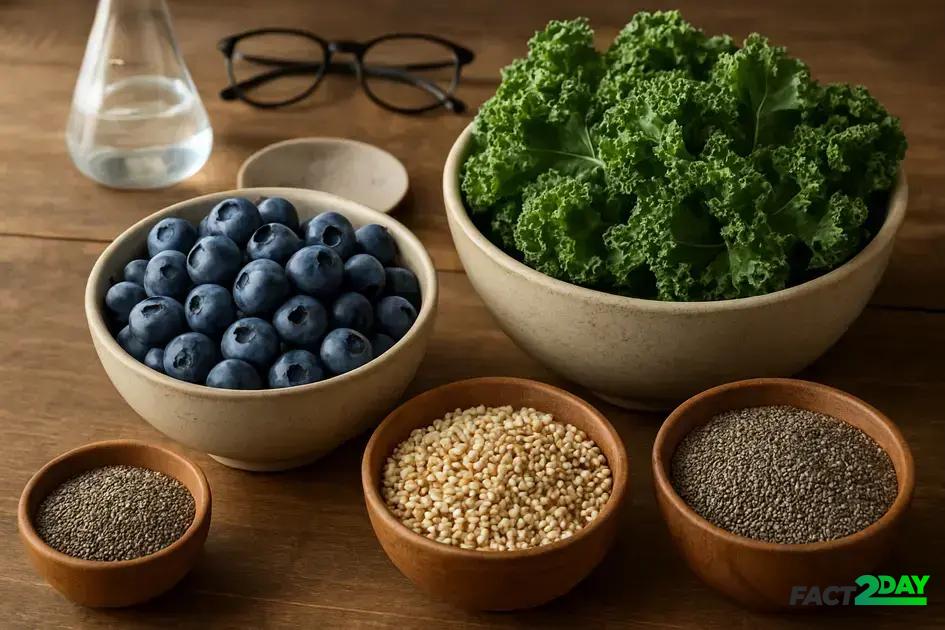
However, there is no official scientific or regulatory definition for superfoods. The label often relies on popularity and marketing rather than strict nutritional criteria. Common examples include blueberries, kale, quinoa, and chia seeds, all known for their dense nutrient profiles.
Key Characteristics of Superfoods
- High nutrient density: They provide large amounts of nutrients relative to their calorie content.
- Rich in antioxidants: Many superfoods contain antioxidants that help protect cells from oxidative stress.
- Potential health benefits: Some have been linked to improved heart health, brain function, or immune support.
It’s important to understand that while these foods are healthy, no single food can provide all the nutrients your body needs. Balanced diets with a variety of foods are essential for overall health.
Common myths about superfoods
Many beliefs about superfoods are based on common myths that can be misleading. One popular myth is that eating superfoods alone can significantly improve your health or cure diseases. In reality, no single food can replace a balanced diet or medical treatment.
Myth 1: Superfoods are a magic bullet
Some think that superfoods have special powers that instantly boost health. While they do contain important nutrients, their impact depends on overall diet and lifestyle.
Myth 2: More superfoods mean better health
It’s tempting to consume excessive amounts of superfoods, but too much of anything can be harmful. Moderation and variety are essential for proper nutrition.
Myth 3: Superfoods are rare and exotic
Many so-called superfoods, like spinach and apples, are common and easily accessible. Exotic labels often serve marketing purposes rather than indicating superior health benefits.
Myth 4: Cooking destroys superfood nutrients
While some cooking methods reduce nutrient levels, others make nutrients more available. For example, cooking tomatoes increases the absorption of lycopene.
Understanding these myths helps you make informed decisions about including superfoods as part of a balanced, healthy diet.
Nutritional value vs. marketing claims
Many superfoods are promoted with bold marketing claims about their nutritional benefits. However, it is important to distinguish between actual nutritional value and marketing exaggerations. Nutritional value refers to measurable content of vitamins, minerals, antioxidants, and other nutrients in a food.
The role of nutrients in health
Superfoods typically contain high levels of certain nutrients, such as Vitamin C in oranges or antioxidants in berries. These nutrients support various body functions including immune defense, cell repair, and reducing inflammation.
Marketing claims versus reality
Marketing often highlights select nutrients or compounds to suggest superfoods have extraordinary health effects. For example, some ads may claim a superfood can “detox” the body or “boost metabolism” significantly. These claims usually lack strong scientific evidence or are based on studies with limited scope.
Understanding food labels and studies
Food labels and supplement claims should be read critically. Look for evidence based on large, well-designed scientific studies rather than anecdotes or small trials. Nutritional value alone does not guarantee overall health benefits.
To maintain a healthy diet, focus on variety, balance, and whole foods rather than relying solely on marketed superfoods or their promoted claims.
Scientific studies on popular superfoods
Numerous scientific studies investigate the health effects of popular superfoods, aiming to separate fact from fiction. Researchers often analyze their nutrient composition and potential roles in preventing chronic diseases such as heart disease, diabetes, and cancer.
Example: Blueberries and antioxidants
Blueberries are rich in antioxidants like anthocyanins. Clinical studies suggest these compounds may help reduce oxidative stress and inflammation, supporting brain and heart health.
Example: Kale and vitamins
Kale is packed with vitamins A, C, and K. Scientific evidence shows these vitamins are essential for immune function, bone health, and skin maintenance. However, kale should be part of a varied diet to maximize benefits.
Limitations of studies
While studies demonstrate promising benefits, many rely on small sample sizes or short duration. Results vary due to individual differences and diet context. More robust research is needed to confirm long-term effects.
Overall, scientific studies provide valuable insights but should be interpreted cautiously within the bigger picture of a balanced diet and healthy lifestyle.
Antioxidants and their actual impact
Antioxidants are compounds found in many superfoods that protect cells from damage caused by free radicals. Free radicals are unstable molecules that can contribute to aging and diseases like cancer and heart disease.
Sources of antioxidants
Common superfoods such as berries, nuts, and green leafy vegetables contain high levels of antioxidants like vitamin C, vitamin E, and flavonoids. These help reduce oxidative stress in the body.
How antioxidants work
Antioxidants neutralize free radicals by donating electrons, preventing cell damage. This process supports overall health and may lower the risk of certain chronic diseases.
Scientific evidence on impact
While antioxidants have health benefits, studies show that consuming them through whole foods is more effective than supplements. The body’s response depends on a balanced intake of various antioxidants.
Eating a diet rich in antioxidant-containing superfoods can contribute to better health, but they are not cure-alls. Balance and variety remain key for optimal results.
Superfoods for immune support: Fact or fiction?
Many superfoods are often marketed as immune boosters, but how much of this is fact versus fiction? The immune system relies on a complex network of cells and nutrients to function properly. Certain superfoods contain vitamins and minerals that support immune health, but no food can single-handedly prevent illness.
Key nutrients for immune support
Vitamin C, vitamin D, zinc, and antioxidants are crucial for maintaining a healthy immune system. Superfoods like oranges, spinach, nuts, and seeds contain these nutrients in varying amounts.
Scientific evidence and limitations
Studies suggest that some superfoods can strengthen immune response when included in a balanced diet. However, evidence often comes from small-scale studies or animal models, making broad claims uncertain.
The role of lifestyle
Immune health also depends on sleep, exercise, stress management, and overall nutrition, not just superfoods. Relying solely on certain foods ignores these important factors.
Balanced diet and healthy habits are the best approach to support immunity rather than expecting superfoods to act as magic cures.
How superfoods affect metabolism
Superfoods are often claimed to boost metabolism, but it’s important to understand how they actually affect the body’s energy processes. Metabolism refers to all the chemical reactions in the body that convert food into energy. Some superfoods contain nutrients that may support this process.
Key metabolic boosters in superfoods
Compounds like caffeine, capsaicin, and certain antioxidants found in superfoods like green tea, chili peppers, and berries can temporarily increase metabolic rate by stimulating the nervous system or enhancing fat oxidation.
Impact on calorie burning
These effects are usually modest and short-lived. For example, green tea extract can slightly increase the number of calories burned but is not a magic solution for weight loss.
Role of vitamins and minerals
Nutrients such as B vitamins in quinoa or iron in spinach support the body’s normal metabolic functions by helping convert nutrients into usable energy.
Overall, while some superfoods can help support metabolism, a balanced diet and regular physical activity play a much bigger role in maintaining a healthy metabolic rate.
The role of superfoods in heart health
Superfoods can play a supportive role in maintaining heart health by providing key nutrients that help reduce the risk of cardiovascular disease. These foods often contain antioxidants, fiber, and healthy fats that contribute to heart wellness.
Antioxidants and heart protection
Antioxidants found in berries, nuts, and dark leafy greens help protect blood vessels from damage caused by free radicals, reducing inflammation and improving circulation.
Fiber and cholesterol management
Foods like oats, barley, and beans are rich in soluble fiber, which can help lower LDL (bad) cholesterol levels by binding cholesterol in the digestive system and promoting its excretion.
Healthy fats for a strong heart
Superfoods such as salmon, flaxseeds, and walnuts provide omega-3 fatty acids, which have been shown to reduce blood pressure, decrease triglycerides, and prevent irregular heartbeats.
Incorporating a variety of these superfoods into a balanced diet, along with regular exercise and healthy lifestyle habits, can support improved heart health and reduce cardiovascular risks.
Debunking weight loss claims
Many superfoods are advertised as weight loss miracles, but these claims often oversimplify complex processes. Weight loss depends on a balance between calories consumed and calories burned, not on any single food.
Myth: Superfoods melt fat instantly
There is no scientific evidence that any superfood alone can cause significant or lasting fat loss. Some foods like green tea or chili peppers may slightly boost metabolism, but the effect is minimal.
Role of superfoods in weight management
Superfoods can contribute to weight loss efforts by providing nutrient-dense options that keep you full longer, helping reduce overall calorie intake. Examples include high-fiber foods like berries, chia seeds, and leafy greens.
Importance of overall lifestyle
Sustainable weight loss requires consistent healthy eating, portion control, and regular physical activity. Relying solely on superfoods without these habits is unlikely to produce lasting results.
Understanding and debunking weight loss myths around superfoods helps promote realistic, healthy approaches to managing weight.
Superfoods and brain health benefits
Superfoods are often linked to brain health due to their rich nutrient content, which supports cognitive function and may reduce the risk of neurodegenerative diseases. Nutrients such as omega-3 fatty acids, antioxidants, and vitamins play key roles in maintaining brain health.
Omega-3 fatty acids and brain function
Omega-3s, found in foods like salmon, walnuts, and flaxseeds, are crucial for brain cell structure and communication. Studies suggest they may help improve memory and reduce cognitive decline.
Antioxidants protecting the brain
Superfoods like blueberries and dark chocolate contain antioxidants that protect brain cells from oxidative stress and inflammation, which can contribute to aging and cognitive disorders.
Vitamins and cognitive support
Vitamins such as B6, B12, and folate found in leafy greens and legumes support neurotransmitter function, which is essential for mood regulation and mental clarity.
Including a variety of these superfoods in your diet, accompanied by a healthy lifestyle, may support better brain health and cognitive performance.
Potential risks of consuming superfoods
While superfoods offer many health benefits, it is important to be aware of potential risks associated with their consumption. Overreliance on superfoods or excessive intake can sometimes have adverse effects.
Allergic reactions and sensitivities
Some superfoods like nuts, seeds, and certain berries can cause allergic reactions or sensitivities in susceptible individuals. It is essential to introduce new foods carefully and watch for any adverse symptoms.
Interactions with medications
Certain compounds in superfoods may interact with medications. For example, grapefruit can affect the metabolism of some drugs, leading to increased side effects or reduced effectiveness.
Excessive nutrient intake
Consuming superfoods in very large amounts might lead to nutrient imbalances or toxicity. For instance, too much kale can interfere with thyroid function due to high levels of goitrogens.
Quality and contamination concerns
Some superfoods imported from various regions may be contaminated with pesticides, heavy metals, or microbes if not properly processed or sourced.
Being informed and consuming superfoods as part of a varied, balanced diet helps minimize potential risks and supports safe, healthy eating.
How to incorporate superfoods realistically in your diet
Incorporating superfoods into your diet can be simple and effective when done realistically. Focus on adding nutrient-dense foods that fit your preferences and lifestyle rather than chasing every popular trend.
Start with small, manageable changes
Try adding one or two superfoods at a time, like berries in your morning oatmeal or spinach in a smoothie. Small steps help form lasting habits without overwhelming you.
Mix superfoods with familiar ingredients
Combine superfoods with regular foods for balanced meals. For example, include quinoa as a side dish or use chia seeds in yogurt. This makes incorporating superfoods easier and more enjoyable.
Prioritize variety and whole foods
Choose a wide range of whole foods rather than focusing on a few superfoods. Eating diverse fruits, vegetables, grains, and nuts ensures a full spectrum of nutrients.
Be mindful of accessibility and costs
Superfoods don’t need to be exotic or expensive. Common, affordable options like beans, sweet potatoes, or cabbage offer great nutrition benefits.
By adopting a flexible, balanced approach, you can enjoy the benefits of superfoods without stress or unrealistic expectations.
Comparing superfoods with regular foods
Superfoods are often praised for their high nutrient content, but it’s important to see how they compare with regular foods. Many common foods provide similar nutrients, and focusing only on superfoods may overlook the benefits of a balanced diet.
Nutrient density comparison
Superfoods like blueberries and kale have high levels of vitamins and antioxidants, but regular foods like apples, carrots, and spinach also supply important nutrients in good amounts.
Cost and accessibility
Regular foods are often more affordable and easier to find. For example, while quinoa is a popular superfood, brown rice offers similar benefits at a lower cost and wider availability.
Variety and balance
Regular foods contribute to diet variety, which is essential for obtaining a broad range of nutrients. No single food, superfood or regular, can provide all necessary nutrients.
Choosing a diverse diet with both superfoods and regular foods ensures better nutrition and sustainability without the pressure of relying solely on superfoods.
Sustainable choices in superfood consumption
Choosing superfoods sustainably means considering the environmental and social impact of their production and sourcing. Not all superfoods are equally eco-friendly, so making mindful choices can help support both your health and the planet.
Environmental impact of superfood farming
Some superfoods, like quinoa and avocados, require significant water and land resources. Supporting sustainably farmed or locally grown options can reduce negative environmental effects.
Fair trade and ethical sourcing
Look for certifications indicating fair wages and good working conditions for farmers. Ethical sourcing helps ensure that superfoods contribute positively to communities and reduce exploitation.
Reducing waste and packaging
Buying superfoods in bulk or with minimal packaging lessens plastic waste. Planning purchases to avoid spoilage also reduces food waste.
Incorporating sustainable superfoods into your diet goes beyond health benefits — it helps promote a healthier planet and fairer global food systems.
Bringing it all together
Superfoods can be a valuable part of a healthy diet when chosen and consumed thoughtfully. Understanding their true benefits and limitations helps avoid falling for marketing hype. Incorporating a variety of nutrient-rich foods, both superfoods and regular options, supports overall well-being.
Being mindful of sustainability and ethical sourcing adds another layer of positive impact for you and the planet. Remember, balanced nutrition and healthy habits are key to long-term health, not just any single food trend.
By making informed, realistic choices, you can enjoy the benefits of superfoods while fostering a more sustainable and healthy lifestyle.