The Superfood Myth: Separating Hype from Science in the World of Trendy Foods
Superfoods debunked reveals the truth behind trendy foods, helping you make informed choices beyond the hype for a healthier lifestyle.
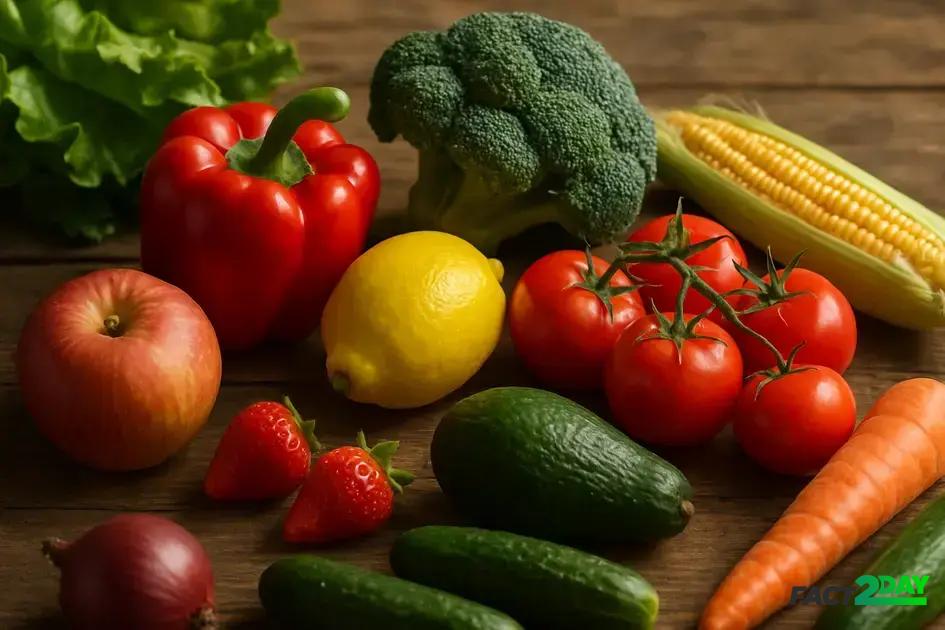
Superfoods debunked reveals that no single food can guarantee health benefits alone; balanced, varied diets matter more than hype or marketing labels.
Superfoods debunked invites you to look beyond the buzzwords and question what truly makes certain foods special. Have you ever wondered if the claims around these trendy foods hold up? Let’s explore the delicate balance between science and marketing together.
understanding what superfoods really are
The term superfoods often describes foods praised for their high nutrient content and potential health benefits. Common examples include berries, kale, chia seeds, and quinoa. But what does it really mean to be a superfood? Essentially, these are foods rich in vitamins, minerals, antioxidants, and other compounds that may support health.
It’s important to understand that the label “superfood” is more marketing than science. No single food holds the power to cure diseases or guarantee weight loss. Instead, superfoods should be seen as part of a balanced diet that includes a variety of fruits, vegetables, whole grains, and proteins.
Key nutrients found in superfoods
Many superfoods are notable for their antioxidant levels, which help protect the body from harmful free radicals. Others offer fiber that promotes digestion or essential fatty acids beneficial for heart health. For example, blueberries are rich in antioxidants like flavonoids, while salmon provides omega-3 fatty acids.
Remember, the benefits come from enjoying these foods regularly and alongside other healthy habits. Overemphasizing a single food can overshadow the importance of an overall nutritious diet. Understanding what superfoods really are helps you make informed choices without falling for exaggerated claims or fads.
common myths and misconceptions about superfoods
Many popular beliefs about superfoods are based on misconceptions. One common myth is that superfoods alone can make you healthy. While these foods are nutritious, no single food can replace a balanced diet or prevent illness by itself.
Another misconception is that superfoods are rare or exotic. In reality, many everyday foods like spinach, oats, and apples have strong nutritional profiles but are less hyped. The “superfood” label often boosts sales rather than signaling unique health benefits.
Myth: Superfoods cure diseases
Advertising sometimes suggests superfoods can cure or treat diseases. However, scientific evidence does not support these claims. Eating a variety of wholesome foods and maintaining a healthy lifestyle is more effective for disease prevention than relying on a few so-called superfoods.
Myth: More is always better
Some believe consuming large amounts of superfoods will amplify benefits. Overconsumption can be harmful or cause imbalances. It’s best to enjoy these foods in moderation as part of a diverse diet.
Understanding these myths helps you avoid making poor dietary choices based on trends rather than facts. Focus on whole, varied foods instead of chasing miracle ingredients labeled as superfoods.
how to make balanced food choices without the hype
Making balanced food choices means focusing on variety and moderation, rather than being swayed by trendy labels like “superfoods.” A healthy diet includes diverse ingredients from all food groups to meet your body’s needs.
Prioritize whole and minimally processed foods
Choose fresh fruits, vegetables, whole grains, lean proteins, and healthy fats. These offer essential nutrients without unnecessary additives or excess sugars. For example, instead of chasing exotic berries, enjoy locally available fruits and seasonal vegetables with similar benefits.
Understand portion sizes and frequency
Eating too much of any food, even a superfood, can cause imbalance. Learn proper portion sizes and vary your meals throughout the week. This helps ensure you get a wide range of vitamins and minerals without overdoing one type of nutrient.
Focus on sustainable habits over quick fixes
Rather than fixating on one miracle food, develop eating habits that are enjoyable and sustainable. Meal planning, cooking at home, and mindful eating support long-term health more effectively than chasing food trends.
Balanced food choices come from understanding your nutritional needs, listening to your body, and making informed decisions without being fooled by hype. This approach empowers you to create a healthy lifestyle that lasts.
Separating Fact from Fiction for Better Health
Understanding the truth about superfoods helps you avoid myths and make smarter food choices. Instead of relying on hype, focus on eating a balanced diet with a variety of whole foods.
Good nutrition comes from consistent habits, not miracle ingredients. By prioritizing variety and moderation, you can support your health in a practical and enjoyable way.
Remember, the best diet is one that fits your lifestyle and provides all the nutrients your body needs without unnecessary complexity.