Strawberries naturally whiten teeth
Discover how strawberries and teeth interact to naturally brighten your smile with a simple, delicious approach to teeth whitening.
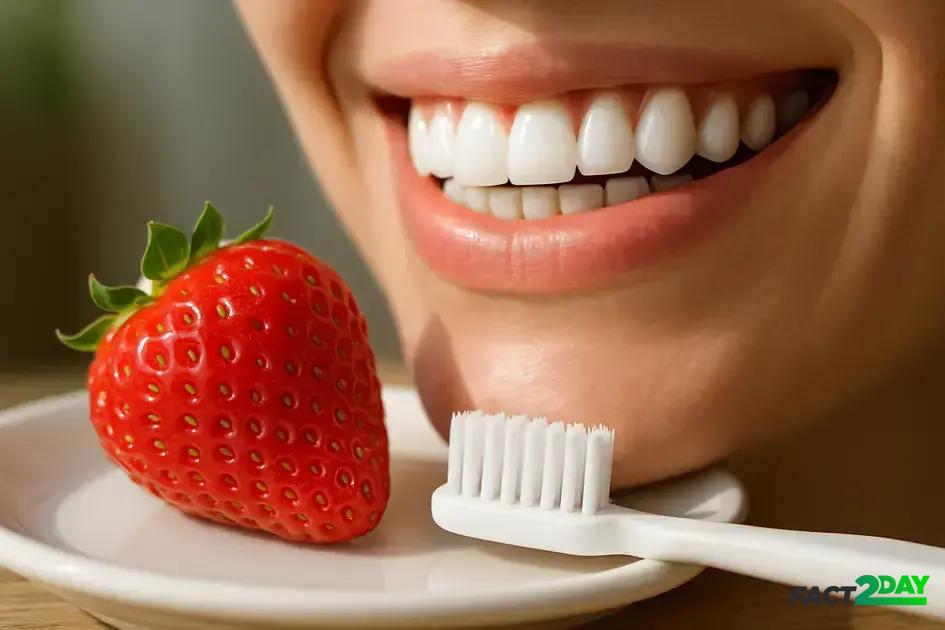
Strawberry teeth whitening naturally occurs because strawberries use malic acid to gently remove surface stains from teeth, but safe use and proper dental care are essential to protect enamel.
Strawberry and teeth is a curious mix that might surprise you. Have you ever wondered if the berries you enjoy could gently brighten your smile? Let’s explore this natural option and what it really means for your teeth.
How strawberries affect teeth color
Strawberries contain a natural compound called malic acid, which can act as a gentle whitening agent for teeth. This acid helps to break down surface stains caused by foods, drinks, and tobacco. When you eat strawberries, the malic acid works to remove discoloration and brighten the enamel naturally. However, it’s important to know that this effect is mostly on surface stains and may not change the natural color of your teeth.
The red pigment in strawberries, called anthocyanin, can temporarily stain the teeth, but this usually fades quickly when washed away with water or brushing. Additionally, the texture of strawberries allows them to act as a mild abrasive, which may help scrub off plaque and buildup.
Keep in mind that while strawberries can support teeth whitening, they should be used carefully. Excessive exposure to malic acid can weaken enamel over time, making it more sensitive. Balancing strawberry consumption with good oral hygiene practices is key to maintaining a healthy and bright smile.
The natural acids in strawberries and their role
Strawberries are rich in natural acids, mainly malic acid, which plays a crucial role in their ability to whiten teeth. Malic acid acts as a mild exfoliant, gently dissolving surface stains and residue that dull the appearance of teeth. This acid is effective in breaking down discoloration caused by coffee, tea, and other common stain sources.
Besides malic acid, strawberries also contain citric acid. While citric acid can assist in whitening, it is stronger and may pose risks for enamel if used excessively. It’s important to balance the benefits and potential enamel erosion when using strawberries for dental care.
The natural acids in strawberries also promote saliva production, which helps rinse away food particles and bacteria. This creates a healthier oral environment and supports overall dental hygiene. However, the acids should be followed by rinsing or brushing to protect enamel and maintain smile brightness.
Using strawberries safely for teeth whitening
Using strawberries safely for teeth whitening involves a few key steps to protect your enamel while enjoying their natural benefits. First, mash fresh strawberries into a smooth paste, then apply the mixture gently to your teeth using a toothbrush or finger. Let it sit for about five minutes before rinsing thoroughly with water.
Avoid excessive use to prevent enamel erosion; limit this treatment to no more than twice a week. After applying strawberries, brushing your teeth with fluoride toothpaste is important to remove any leftover acids and protect against sensitivity.
It’s best to avoid eating or drinking acidic or staining foods immediately after this treatment. Also, consult your dentist if you have sensitive teeth, cavities, or other dental concerns before starting strawberry whitening.
Incorporating strawberries as a mild, natural whitening agent alongside regular brushing, flossing, and professional cleanings helps maintain a bright, healthy smile without harsh chemicals.
Recipe ideas with strawberries for dental care
Incorporating strawberries into your dental care routine can be both effective and delicious. One simple way is to create a strawberry paste by mashing fresh strawberries and mixing them with baking soda. This mixture can be gently applied to your teeth using a toothbrush to help remove surface stains.
Another recipe involves blending strawberries with plain yogurt. The probiotics in yogurt support oral health by reducing harmful bacteria, while the natural acids in strawberries aid in whitening.
You can also enjoy a refreshing strawberry smoothie with ingredients like spinach, banana, and a splash of water. This not only provides vitamins that promote healthy gums but also leaves a pleasant taste that encourages frequent consumption.
Remember to rinse your mouth or brush your teeth after consuming these recipes to protect enamel from acids. Using natural strawberry-based dental care options regularly, along with proper oral hygiene, can help maintain a brighter, healthier smile.
Myths and facts about strawberries and teeth
There are many myths surrounding strawberries and their effect on teeth. One common myth is that eating strawberries will instantly whiten your teeth. While strawberries contain malic acid, which can help remove surface stains, the effect is gradual and mild, not instant like commercial whitening products.
Another myth is that strawberries damage your teeth because of their acidity. In reality, the natural acids in strawberries can erode enamel only if used excessively or without proper oral care. Using strawberries in moderation and rinsing your mouth afterwards protects your teeth.
Fact: strawberries can aid in gentle teeth whitening when combined with good hygiene. Mixing strawberries with baking soda can enhance this effect, but it should not replace regular brushing and dental visits.
A false belief is that strawberries can whiten teeth better than dentist treatments. Professional whitening uses stronger agents and is more effective, whereas strawberries serve as a supplementary, natural option.
Understanding the truth behind these myths helps you use strawberries wisely for dental health and smile maintenance.
How often to use strawberries for whitening
Using strawberries for teeth whitening should be done with care to avoid damaging your enamel. It is generally recommended to apply strawberry treatments no more than two times per week. This frequency allows the natural acids in strawberries to gently remove surface stains without weakening the protective layer of your teeth.
Overuse can lead to increased tooth sensitivity and enamel erosion, which may cause discomfort and further dental problems. After using strawberries, it’s important to rinse your mouth thoroughly and brush with fluoride toothpaste to protect your teeth.
For best results, combine strawberry whitening with a good oral hygiene routine, including regular brushing, flossing, and dental checkups. Consulting with a dentist before starting any natural whitening method is always a wise choice, especially if you have sensitive teeth or existing dental concerns.
Alternatives to strawberries for natural whitening
There are several natural alternatives to strawberries for teeth whitening that you can try. Baking soda is a popular option due to its gentle abrasive properties, which help remove surface stains. You can create a paste by mixing baking soda with water and brushing your teeth with it occasionally.
Another natural remedy is activated charcoal. It works by absorbing impurities and stains on the teeth. Use activated charcoal powder carefully, as overuse can damage enamel.
Oil pulling with coconut oil is an ancient practice that helps reduce bacteria in the mouth and can improve the appearance of your teeth over time. Swish a tablespoon of coconut oil in your mouth for 10-15 minutes before spitting it out.
Hydrogen peroxide diluted with water is also used as a natural whitening agent. It has antiseptic properties and helps bleach teeth when used correctly. Always use mild concentrations and avoid prolonged contact.
These alternatives can complement regular oral hygiene, but it’s important to use them in moderation and consult your dentist if you have any dental issues.
Tips for maintaining a bright smile
Maintaining a bright smile requires consistent care and good habits. Start by brushing your teeth at least twice a day with fluoride toothpaste to remove plaque and surface stains. Using a soft-bristled toothbrush helps protect your enamel while cleaning effectively.
Floss daily to remove food particles and plaque between teeth, areas a toothbrush can’t reach. Regular flossing prevents discoloration and keeps gums healthy.
Limit consumption of staining foods and drinks like coffee, tea, red wine, and berries. When you do enjoy these, rinse your mouth with water or brush soon after to minimize stains.
Stay hydrated and chew sugar-free gum to increase saliva production, which naturally cleanses your mouth and reduces bacteria.
Visiting your dentist regularly for professional cleanings and checkups ensures any stains or plaque buildup is handled effectively. Consider using whitening toothpaste or treatments approved by dental professionals as part of your routine.
Lastly, avoid smoking and tobacco products as they cause significant staining and harm oral health.
Wrapping up natural teeth whitening with strawberries
Strawberries offer a natural and gentle way to help brighten your smile, thanks to their malic acid content. While they can aid in removing surface stains, it’s important to use them carefully and not rely solely on strawberries for whitening.
Using strawberries in combination with good oral hygiene and regular dental care is the best approach to maintain a bright, healthy smile. Remember to balance natural remedies with professional advice for optimal results.
By adopting these tips and understanding how strawberries and other natural options work, you can enjoy a radiant smile naturally and safely.