The Cheese That Squeaks: Why Some Cheeses Sing When You Bite
Discover the curious world of squeaky cheese and why certain cheeses make a unique sound when you bite into them. Taste meets science.
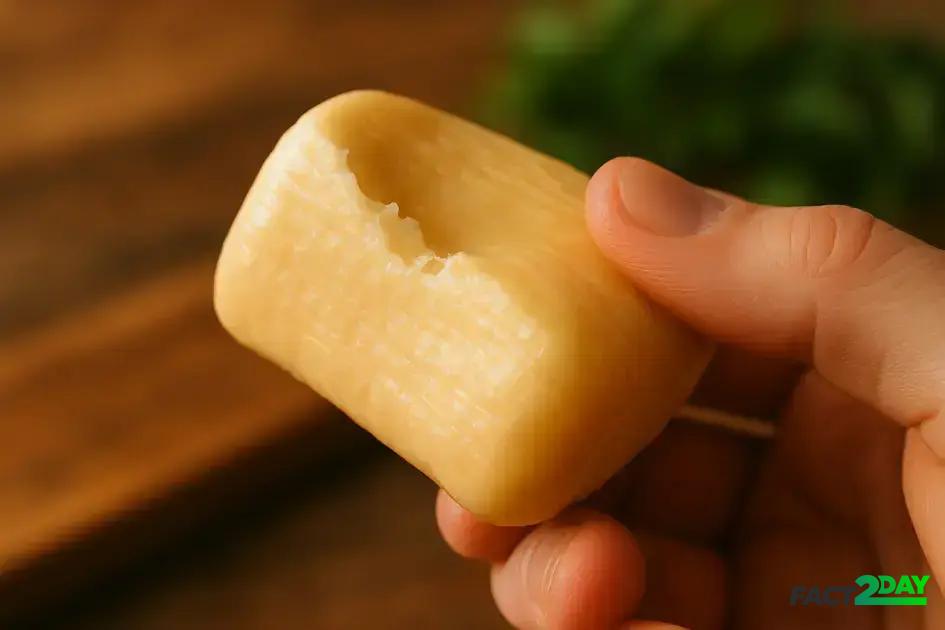
Squeaky cheese produces its distinctive sound due to the elastic protein structure and moisture content that create friction against teeth when bitten, with freshness and texture playing key roles in this unique sensory experience.
Squeaky cheese has a charming way of surprising your senses when you bite into it. Have you ever wondered why some cheeses seem to sing or squeak? This article invites you to explore the fascinating reasons behind this unique sensory dance.
what makes cheese squeaky
The unique sound of squeaky cheese comes from its texture and structure. When you bite into squeaky cheese, tiny elastic proteins in the cheese rub against your teeth. This friction creates the distinctive squeaking noise. Cheese like Cheese Curds, often made from fresh milk, have a high moisture content and a firm, rubbery texture that amplifies this sensation.
The Role of Protein Structure
Cheese proteins form a network during the cheese-making process. When these protein strands are tightly packed yet remain flexible, they cause resistance against chewing. This resistance is what leads to the cheese’s squeaky or ‘springy’ feel. Over time, aging reduces this effect as the proteins break down.
Freshness and Moisture Content
Freshness plays a vital part in a cheese’s squeak. Fresher cheeses hold more moisture, contributing to their elasticity. As cheese dries out or ages, the moisture reduces, softening the texture and diminishing the squeak. That’s why squeaky cheese is often enjoyed fresh.
Understanding these factors can enhance your appreciation of squeaky cheese beyond its taste, highlighting how texture and science come together to create this playful sensory experience.
types of squeaky cheese around the world
There are several types of squeaky cheese enjoyed worldwide, each with unique characteristics but all sharing that delightful squeak. One of the most famous is cheese curds from North America, especially popular in the Midwest and Quebec. These fresh curds are mild, moist, and have a signature squeaky texture.
Paneer
In South Asia, paneer is a fresh, nonsqueaky cheese but when fresh and made properly, it can sometimes have a mild squeak when bitten. Paneer is a versatile cheese widely used in Indian cooking.
Lebanese Jibneh
Jibneh is a fresh white cheese from the Middle East that often has a springy texture and may produce a slight squeak. It is usually enjoyed fresh and pairs well with za’atar and olive oil.
Halloumi
Halloumi from Cyprus is known for its firm, rubbery texture. Although typically eaten grilled, when fresh, it can also have a mild squeaky feel because of its elasticity and moisture content.
Other squeaky cheeses include varieties of fresh cheese made from unpasteurized milk, where texture and moisture are carefully preserved to maintain that appealing squeak when eaten.
the science behind the squeak
The science behind the squeak in cheese involves the interaction of proteins, moisture, and the structure of the cheese itself. When you bite into squeaky cheese, the sound and sensation come from the friction between the cheese’s protein networks and your teeth.
Protein Networks and Elasticity
Cheese is made up of casein proteins that form a mesh-like structure. In squeaky cheeses, these proteins are tightly woven but still flexible. This elasticity causes the cheese to resist chewing initially, creating that characteristic squeaky noise as the protein strands rub against your teeth.
Role of Moisture
Moisture plays a crucial part in the squeakiness. Higher moisture content keeps the protein network pliable and sticky, enhancing the friction with teeth. As cheese ages and loses moisture, this effect lessens, making the cheese softer and quieter when bitten.
Freshness and Temperature
Freshness affects the protein and moisture balance, so fresh cheese tends to squeak more. Temperature also influences the squeak; colder cheese is firmer and produces a louder squeak, while warmer cheese softens and reduces the sound.
Understanding these factors helps explain why some cheeses “sing” when you bite into them and highlights the delicate balance of science behind this unique sensory experience.
how texture influences the sound
The texture of cheese plays a key role in whether it produces a squeaky sound when you bite into it. This sound depends on how the cheese’s surface interacts with your teeth during chewing.
Firmness and Elasticity
Firm and elastic textures help trap air pockets and create resistance. When you bite, these characteristics cause the cheese to rub against your teeth, producing the signature squeak. Softer cheeses tend to lack the firmness needed to create this noise.
Moisture and Protein Content
The cheese’s moisture level influences its texture. Higher moisture keeps the cheese supple but still firm enough to squeak. Proteins form a network that provides structure and elasticity, which are essential for that unique sound.
Surface Smoothness
Smoother cheese surfaces reduce friction and lessen the squeak. In contrast, slightly uneven or porous surfaces increase friction between the cheese and teeth, amplifying the sound.
Understanding how these textural elements combine can help cheese lovers appreciate why some cheeses delight with a playful squeak and others remain silent when bitten.
pairing squeaky cheese with foods and drinks
Pairing squeaky cheese with the right foods and drinks can enhance its unique flavor and texture. Because squeaky cheeses are often fresh and mild, they work well with a variety of complementary tastes.
Fruits and Vegetables
Fresh fruits like apples, pears, and grapes balance the mild saltiness of squeaky cheese curds. Crunchy vegetables such as cucumbers and bell peppers bring a refreshing contrast to the cheese’s texture.
Breads and Crackers
Light, crispy breads and crackers provide an excellent base. Their neutral flavor lets the cheese’s squeak and subtle taste shine without overpowering.
Drinks to Complement
Light white wines like Sauvignon Blanc or crisp rosé pair beautifully with squeaky cheese. For non-alcoholic choices, sparkling water with a twist of lemon or a mild apple cider can refresh the palate.
Herbs and Spices
Fresh herbs such as basil or mint add a fragrant note, while a sprinkle of cracked black pepper can introduce mild spice that complements the cheese’s freshness.
Thoughtful pairings let you enjoy not just the taste but the playful squeak of these cheeses, making every bite a sensory delight.
tips for enjoying and serving squeaky cheese
When it comes to enjoying squeaky cheese, proper serving and storage can make all the difference in preserving its delightful texture and flavor.
Keep it Fresh
Store squeaky cheese in a cool, moist environment to maintain its elasticity. Wrapping it in wax paper and then placing it inside a loose plastic bag helps preserve freshness without trapping too much moisture.
Serving Temperature
Serve squeaky cheese slightly chilled but not cold. Taking it out of the fridge about 15 minutes before serving allows the texture to soften just enough to bring out the signature squeak without becoming too soft.
Pairing Tips
Accompany the cheese with crisp fruits, nuts, and fresh herbs to balance its mild flavor and playful texture. A drizzle of honey or a sprinkle of coarse salt can also enhance taste without overpowering the natural squeak.
Presentation
Cut squeaky cheese into bite-sized pieces or irregular chunks to make it easy to snack on while showcasing its unique texture. Use rustic boards or small plates to highlight its fresh, artisanal quality.
Following these tips will help you fully appreciate the fun and flavor of squeaky cheese during every tasting session.
Understanding and Enjoying Squeaky Cheese
Squeaky cheese is more than just a fun sound; it’s a unique experience created by the way proteins, moisture, and texture interact. Exploring different types of squeaky cheeses and learning how to pair and serve them can enhance your appreciation of this delightful treat.
Whether you’re enjoying fresh curds or trying halloumi, knowing the science behind the squeak and how to best enjoy it will make every bite memorable. Embrace the playful sound and rich flavor that squeaky cheese offers in your culinary adventures.