Can Spider Webs Affect the Taste of Coffee Beans?
Explore how spider silk coffee might subtly influence coffee bean flavor and aroma, revealing nature's delicate impact in every cup.
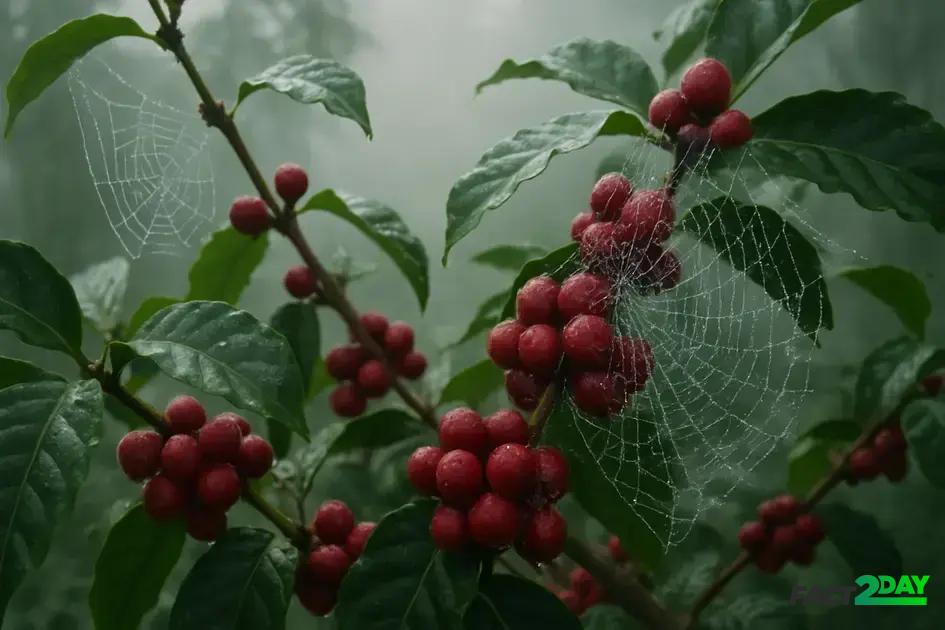
Spider silk coffee refers to beans grown near spider webs, where spiders naturally control pests and create microclimates that can subtly enhance coffee flavor and support sustainable farming.
Spider silk coffee is a curious blend where nature and flavor intertwine in unexpected ways. Have you ever wondered if the delicate webs spun by spiders could subtly shape the taste of coffee beans? Let’s explore how this natural phenomenon might add a layer of complexity to your next cup.
what is spider silk coffee and its origin
Spider silk coffee refers to coffee beans that grow in proximity to spider webs found naturally in coffee plantations. This unique connection is mostly observed in organic and shade-grown farms where spiders thrive without disturbance. Spider webs gently cover coffee plant branches and cherries, creating a distinct microenvironment that can influence bean development.
The origin of spider silk coffee is rooted in traditional farming regions where eco-friendly practices encourage biodiversity. In these areas, spiders help control pests, reducing the need for chemical pesticides, which benefits coffee plants and the surrounding ecosystem alike. This natural relationship is believed to sometimes result in subtle variations in flavor and aroma, making spider silk coffee appealing to specialty coffee enthusiasts.
Scientifically, while the silk itself doesn’t directly alter the beans chemically, the presence of healthy ecosystems with spiders can impact coffee quality by promoting plant health. Sustainable farming practices that support spider populations often yield better-tasting coffee beans due to fewer pests and healthier plants overall.
how spider webs interact with coffee plants
Spider webs play a subtle yet important role in the ecosystem of coffee plants. These webs are built by various spider species that inhabit coffee farms, creating a natural barrier on branches and leaves. The webs can trap small insects and pests, which reduces the damage they might cause to coffee cherries and leaves.
Natural pest control
Spiders act as natural pest controllers by preying on harmful insects that feed on coffee plants. The webs increase their efficiency by capturing unwelcome pests before they can harm the plant. This creates a less stressful growing environment for the coffee cherries, potentially improving their quality.
Microclimate influence
The presence of spider webs can slightly affect the microclimate around coffee plants. These delicate silk networks may retain moisture and reduce airflow temporarily on the plant’s surface. Though this effect is minor, it can help maintain a balanced humidity, which benefits coffee cherry development.
Spider webs and coffee plants form an intricate relationship that supports plant health naturally. This relationship is often found in organic and shade-grown coffee farms, where biodiversity is encouraged, aiding in sustainable agriculture practices.
effects of spider silk on coffee bean flavor
The presence of spider silk on coffee plants may influence the flavor profile of coffee beans in subtle ways. While the silk itself does not directly change the beans chemically, the environment created by spider webs can affect the coffee’s development.
Influence on plant health
Spider silk supports a healthier coffee plant ecosystem by aiding in pest control. Spiders reduce the number of harmful insects that could damage coffee cherries, which means the beans have a better chance to ripen fully and evenly. Healthy plants tend to produce beans with more consistent and desirable flavors.
Microclimate and moisture retention
The spider webs can create tiny pockets of moisture and shade around coffee cherries. This microclimate may help maintain optimal humidity levels, which can influence how the beans ferment and dry. Such conditions can enhance complexity in the coffee’s aroma and taste, contributing to richer and more nuanced flavors.
Specialty coffee producers sometimes seek out plantations where spider activity is common, believing it adds a natural element that benefits flavor development. Although more research is needed, many coffee enthusiasts report a noticeable difference in cups brewed from spider silk coffee beans.
scientific insights into spider silk coffee
Scientific research on spider silk coffee is limited but offers intriguing insights into how nature affects coffee quality. Studies focus on the role of spiders in pest management within coffee plantations, which indirectly benefits the development of coffee beans by keeping harmful insects at bay.
Ecological impact of spiders
Spiders act as natural predators in coffee ecosystems. Their webs trap pests such as aphids and coffee berry borers, minimizing damage to coffee cherries. This natural pest control can lead to healthier plants and beans, without the use of chemical pesticides.
Microenvironment effects
Research also suggests that spider silk can influence the microenvironment of coffee plants. The silk webs help maintain humidity levels near the cherries, which can affect the drying and fermentation processes essential for flavor development.
Ongoing studies aim to quantify the exact impact of spider silk presence on coffee flavor and aroma. While definitive conclusions are pending, initial findings support the idea that spider-covered coffee plants can yield higher quality beans due to improved plant health and ecological balance.
methods to harvest and preserve spider silk coffee
Harvesting spider silk coffee requires careful techniques to maintain both the integrity of the coffee beans and the delicate spider webs. Farmers often handpick the coffee cherries to avoid disturbing the webs, ensuring the spiders continue to contribute to the farm’s natural pest control.
Selective hand harvesting
Selective hand harvesting is a key method where workers carefully pick ripe cherries, preserving spider webs on branches. This method helps maintain the micro-ecosystem and prevents damage that could reduce coffee bean quality.
Preservation during processing
During processing, special attention is given to gently handling the beans to keep the natural environment intact. Wet processing methods can be adjusted to minimize washing away beneficial compounds possibly linked to the presence of spider silk. Drying coffee beans under natural shade can also help preserve subtle influences introduced by the spider webs.
Farmers focused on organic and sustainable practices often develop customized preservation techniques to ensure the unique qualities of spider silk coffee are maintained from harvest to cup.
environmental benefits and considerations
The presence of spider silk coffee in plantations brings several environmental benefits. Spiders play a crucial role in maintaining a balanced ecosystem by naturally controlling pest populations. This reduces the need for chemical pesticides, which can harm soil quality and biodiversity.
Supporting biodiversity
Spider silk coffee farms often foster a rich biodiversity by encouraging the growth of various plants and insects alongside coffee plants. This diversity helps create a resilient environment that can better withstand diseases and climate changes.
Reduced chemical impact
By relying on natural predators like spiders, farmers minimize pesticide use, which leads to healthier soil and water systems. This practice supports sustainable agriculture and helps preserve local wildlife habitats.
Considerations for farmers include maintaining shaded coffee plantations and organic farming practices to protect spider populations. Careful management is essential to uphold the environmental benefits associated with spider silk coffee cultivation.
Wrapping up the role of spider webs in coffee flavor
Spider silk coffee highlights the fascinating ways nature influences the coffee we enjoy. Spider webs aid in pest control, support plant health, and create unique microclimates that can subtly affect bean flavor and quality.
While more research is needed to fully understand these effects, sustainable farming practices that encourage spider populations offer environmental benefits and may enhance coffee’s natural taste.
Exploring spider silk coffee reminds us how delicate ecosystems contribute to the richness of our daily cup. Appreciating these connections can inspire more mindful and eco-friendly coffee choices.