Pepsi Once Owned Submarines in a Cold War Deal
Explore the Soviet Pepsi deal, a fascinating Cold War story where Pepsi briefly owned submarines. Discover how this deal shaped history.
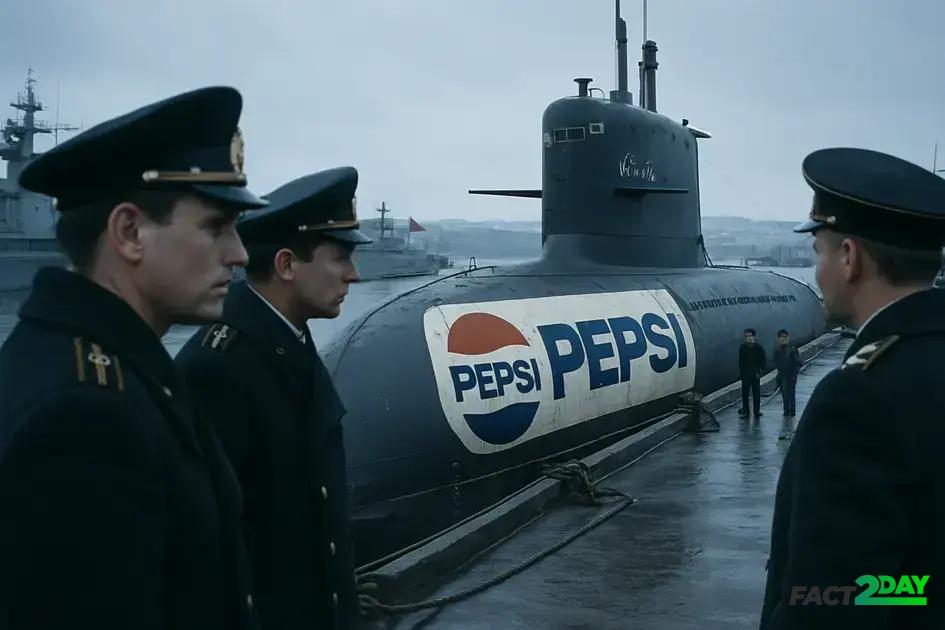
The Soviet Pepsi deal was a Cold War barter agreement where PepsiCo gained ownership of Soviet naval vessels, including submarines, in exchange for soda exports, showcasing an unusual blend of commerce and diplomacy between the US and USSR.
Soviet Pepsi deal might sound like a simple trade agreement, but it holds one of the Cold War’s most unusual stories. Have you ever wondered how a soda company ended up owning submarines? Let’s wander through this curious piece of history together.
the origins of the soviet pepsi deal
The origins of the Soviet Pepsi deal date back to the Cold War era when the USSR sought to modernize its economy and establish better trade relations with the West. PepsiCo was one of the first American companies to enter the Soviet market, beginning their negotiations in the late 1950s. This move was quite unusual given the political tensions of the time.
The deal officially started in 1972 when Pepsi became the first Western consumer product available in the Soviet Union. This marked a significant breakthrough and opened the door for more economic and cultural exchanges. The Soviets wanted Pepsi because it symbolized modern Western lifestyle and consumer freedom, appealing to younger generations eager for change.
Negotiations took time due to the complexities of trading between two very different economic systems. The Soviets lacked sufficient hard currency to pay for the Pepsi shipments. Instead, they proposed bartering with products they could export to the U.S., which later evolved into including naval vessels.
This diplomatic and business gamble broke new ground during a period marked by suspicion and rivalry, showing how economic incentives sometimes trump political divides. The Soviet Pepsi deal stands as an example of cross-cultural cooperation during one of the tensest times in recent history.
how the deal involved naval submarines
The Soviet Union faced a major issue during the Pepsi deal: it lacked enough hard currency to pay for the American soda shipments. To solve this, the USSR proposed an unusual form of barter. Instead of cash, they offered commodities and assets, including a fleet of naval vessels.
In 1989, this deal escalated dramatically when the Soviet government handed over a number of submarines to PepsiCo. These naval submarines, along with warships and tankers, became part of Pepsi’s portfolio, briefly making the soda company a naval power. It was a unique response to the economic constraints of the time.
This deal was not about military strategy but about creative economics. It demonstrated how the Cold War’s tensions sometimes gave way to pragmatic business solutions. The submarines were later sold for scrap, turning Soviet naval hardware into cold, hard cash for Pepsi.
The involvement of submarines transformed a simple beverage contract into one of the most fascinating barter deals in history. It reflected the extraordinary circumstances of trading between two superpowers during the Cold War era.
the impact on us-soviet trade relations
The Pepsi deal had a notable impact on US-Soviet trade relations during the Cold War. It was one of the first examples of a Western consumer brand successfully entering the Soviet market, breaking down some of the economic barriers between the two superpowers.
This agreement demonstrated that trade and business could continue even amid political tension and military rivalry. It opened the door to more exchanges, fostering a limited but meaningful economic dialogue.
By accepting bartered goods and naval vessels, both sides showed flexibility and creativity in handling trade under difficult circumstances. For the Soviets, it was a way to gain access to Western products without using scarce hard currency.
The deal softened the edges of Cold War hostilities, showing that mutual benefits could be found through commerce. It also influenced later agreements that expanded trade and cultural exchanges, helping to pave the way for eventual cooperation in other economic and political areas.
Overall, the Pepsi deal symbolized a shift toward pragmatism and commerce as a bridge, rather than confrontation, during a time dominated by suspicion and competition.
pepsi’s strategy in a communist market
Pepsi’s entry into the Soviet market required a unique approach. Operating in a communist economy meant traditional marketing and sales strategies were not effective. Instead, Pepsi focused on building relationships with the government and aligning its business model to the Soviet system.
One key strategy was negotiating exclusive rights to distribute Pepsi in the USSR, which gave the company a significant advantage. Pepsi also adapted to local production logistics, setting up bottling plants within the country to reduce costs and increase availability.
Understanding the political environment was crucial. Pepsi positioned itself not just as a soda brand but as a cultural ambassador, symbolizing a connection to Western products and lifestyle, which appealed especially to Soviet youth.
The company’s willingness to barter and accept Soviet goods as payment showed flexibility that opened doors in a tightly controlled market. This strategic adaptability allowed Pepsi to thrive where many Western companies failed, making it a pioneer in navigating communist economies.
unexpected challenges from the cold war
The Pepsi deal with the Soviet Union faced numerous unexpected challenges during the Cold War. One major issue was the political tension between the US and USSR, which could disrupt even commercial relations. Sanctions and government restrictions sometimes delayed shipments and complicated payments.
Another challenge was cultural differences that affected marketing and distribution. Pepsi had to navigate Soviet bureaucracy, which operated very differently from American business systems. This caused logistical hurdles and occasional misunderstandings.
Economic instability in the Soviet Union also played a role. The lack of hard currency forced complex barter deals, like trading naval vessels, that were unconventional and risky.
Moreover, Western skepticism about doing business with a communist regime created doubts among investors and company executives. This meant Pepsi had to carefully manage its image to maintain trust at home and abroad.
Despite these obstacles, Pepsi’s persistence turned the deal into a successful example of Cold War-era diplomacy through business.
the cultural symbolism behind the deal
The Pepsi deal with the Soviet Union carried deep cultural symbolism during the Cold War. It was not just a business transaction but also a sign of subtle diplomatic communication between two opposing ideologies.
For many Soviets, Pepsi represented more than a soda; it symbolized a taste of Western freedom and modernity. The availability of an American product in the USSR showed that despite political rivalry, cultural exchange was possible.
Pepsi became a cultural bridge that connected young people and consumers on both sides of the Iron Curtain. It introduced Western branding and advertising styles into a tightly controlled society, influencing perceptions and aspirations.
The deal also represented a shift in the Soviet approach to openness, known later as glasnost, signaling a willingness to experiment with capitalist elements. This small but powerful exchange reflected broader changes brewing beneath Cold War tensions.
Thus, the Soviet Pepsi deal was more than economics; it was a symbol of changing times and emerging mutual curiosity between two very different worlds.
lessons from the soviet pepsi deal today
The Soviet Pepsi deal offers valuable lessons for businesses operating in complex political and economic environments today. It shows the importance of creativity and flexibility, especially when standard financial transactions are not possible.
One key lesson is the power of building strong relationships with local governments and understanding cultural contexts. Pepsi succeeded partly because it adapted its strategy to the unique challenges of the Soviet market.
Additionally, the deal highlights how economic diplomacy can open doors even during tense political climates. Businesses can act as bridges to foster communication and mutual benefit.
The barter aspect of the deal also teaches modern companies the importance of innovative payment arrangements and being open to non-traditional deals when facing obstacles.
Finally, the Soviet Pepsi story emphasizes the impact of brand presence beyond products, showing how cultural influence and symbolism can play a strategic role in business growth globally.
how this deal reshaped global brand diplomacy
The Soviet Pepsi deal was a groundbreaking moment in global brand diplomacy. It demonstrated how a commercial brand could act as a diplomatic tool, bridging gaps between countries with tense political relations.
By successfully entering the Soviet market, Pepsi showed that brands could go beyond selling products to influencing international relations. The deal set a new precedent for companies to engage in cross-cultural dialogue through business.
This approach reshaped the way brands operate globally, encouraging them to consider political and cultural contexts in their strategies. It highlighted the potential for brands to foster goodwill and open communication channels between nations.
Many companies have since followed Pepsi’s example, using branding and partnerships to promote diplomacy and build international trust. This shift recognizes that global business is not just about products but also about values, culture, and shared interests.
The deal illustrated how soft power through branding can complement traditional diplomacy, creating new opportunities for connection in a complex world.
Looking back at the Soviet Pepsi deal
The Soviet Pepsi deal is a fascinating story that shows how business can break barriers, even during tense political times. It teaches the importance of creativity, flexibility, and cultural understanding in international trade.
By turning a simple soda deal into a symbol of diplomacy and cooperation, Pepsi helped reshape global brand strategies and opened doors for future business opportunities. This unique agreement remains a powerful example of how brands can connect worlds apart.
Understanding these lessons helps businesses today navigate complex markets and build meaningful relationships across borders. The story reminds us that sometimes, unexpected partnerships lead to the greatest successes.