Drinking from Skulls: A Ritual of Conquerors and Kings
Explore the skull cup tradition, a mysterious ritual of drinking from human skulls filled with history and cultural significance.
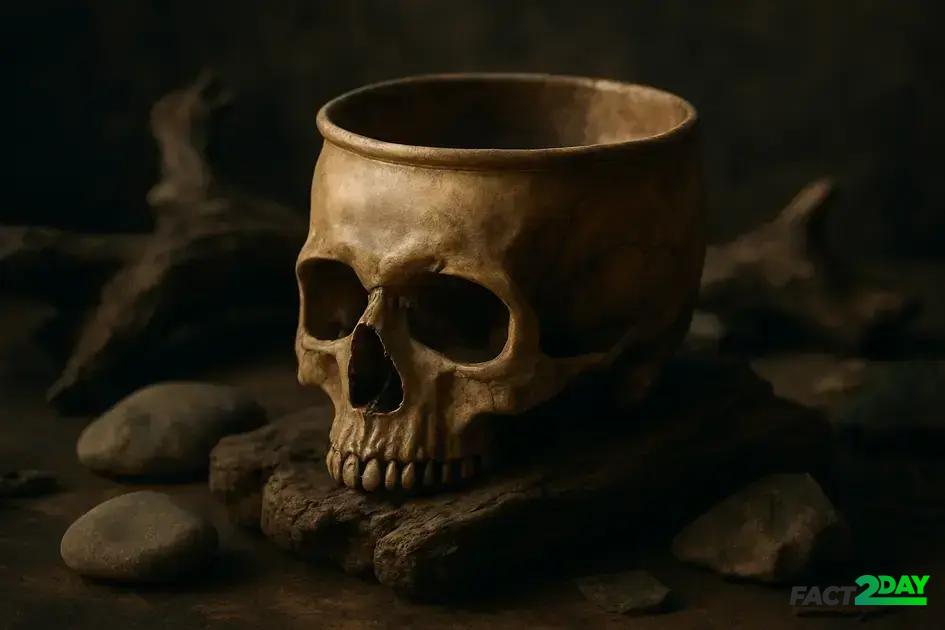
The skull cup tradition involves using human skulls as drinking vessels symbolizing power, conquest, and spiritual connection in various ancient cultures, notably among Central Asian tribes and Tibetan Buddhist rituals.
Have you ever wondered about the strange allure behind the skull cup tradition? This ancient ritual, where conquerors drank from human skulls, holds stories that ripple through time, inviting us to look beyond the surface and understand its deep cultural roots.
origin and history of the skull cup tradition
The origin and history of the skull cup tradition trace back to ancient times when warriors and kings used human skulls as drinking vessels, symbolizing power over enemies and spiritual connection. This practice appears in various cultures, especially among Central Asian tribes like the Scythians and Mongols, who revered the skull cup as a trophy of conquest.
Historical texts and archaeological findings reveal that skull cups were not only practical items but also held deep ritualistic importance. They often represented a link between the living and the dead, with the act of drinking from an enemy’s skull symbolizing absorbing their strength and courage.
Over centuries, the tradition spread and evolved, appearing in Tibetan Buddhism as the ‘kapala,’ a ritual cup used in sacred ceremonies, carved from skulls. This shows a fascinating transformation from a symbol of conquest to one of spiritual enlightenment, blending cultural beliefs and practices.
Key historical periods and regions
The skull cup tradition is documented along the Silk Road, from Central Asia to parts of East Asia, showing its wide-reaching influence. Artifacts dated back to Siberian tribes and Indo-Iranian cultures highlight the importance of these vessels in both daily life and ceremonial use. Written records from Chinese and Persian historians provide vivid descriptions of skull cups in warrior rituals.
Legacy and modern understanding
Today, the skull cup tradition is viewed with a mix of fascination and respect, acknowledging its complex history. Scholars study it to understand ancient customs, beliefs about death, and the human need to commemorate victory and power through material culture.
materials and crafting of skull cups
Skull cups were meticulously crafted from the skulls of fallen enemies, often chosen for their symbolic significance. The process began with careful cleaning and preparation of the skull to ensure durability and safety for use as a drinking vessel. Artisans would remove all soft tissues, leaving only the bone carefully polished to a smooth finish.
Decoration played a significant role in the crafting process. Many skull cups were adorned with intricate carvings, metalwork, and sometimes inlaid with precious stones or metals. These embellishments not only enhanced the aesthetic appeal but also often conveyed spiritual or cultural meanings tied to the owner or their tribe.
Techniques and tools
Traditional methods involved the use of simple tools like knives and chisels made from bone or metal to etch designs and shape the skull. Heating and smoothing techniques helped to create a cup-like form suitable for holding liquids. Some cultures added handles or bases made from wood or metal for ease of use.
Variation across cultures
While the basic concept remained consistent, the style and complexity of skull cups varied widely. In Tibetan Buddhism, for example, the kapala is often elaborately carved and decorated with ritual symbols. In contrast, Central Asian skull cups might be simpler but emphasize the raw, powerful symbolism of the human bone.
The crafting of skull cups was both a practical and symbolic art, connecting warriors and kings to their victories and spiritual beliefs through the very vessels they drank from.
symbolism behind drinking from skulls
Drinking from skulls holds deep symbolic meaning across cultures. It often represents victory over enemies, as the skulls used were typically those of defeated foes. This act was seen as a way to absorb the strength, courage, and spirit of the vanquished.
The skull itself symbolizes mortality and the connection between life and death. Using it as a cup transforms the object from a mere bone into a powerful ritual tool, reminding the drinker of their dominance and the transient nature of life.
Spiritual and cultural significance
In some traditions, drinking from a skull was believed to open a channel between the living and the spirit world. It symbolized respect for ancestors or gods and acted as a medium for blessings or empowerment during ceremonies.
Among Tibetan Buddhists, for instance, the kapala is a sacred vessel used in tantric rituals to symbolize impermanence and the cycle of life and death.
Expression of power and social status
Having a skull cup was often a mark of prestige. It showed that the owner was a fearless warrior or a leader with the ability to conquer and survive. The decorated skull cups enhanced this status, turning the ritual into a display of wealth and spiritual authority.
Overall, the symbolism behind drinking from skulls intertwines themes of conquest, spirituality, and the human fascination with mortality, making it a compelling ritual in many cultures throughout history.
rituals and ceremonies involving skull cups
Rituals and ceremonies involving skull cups varied across cultures but commonly centered on themes of power, spirituality, and remembrance. In many warrior societies, drinking from a skull cup was part of victory celebrations, symbolizing dominance over defeated enemies and sharing their strength among allies.
In Tibetan Buddhism, skull cups called kapalas play a sacred role. They are used in tantric rituals to hold offerings like wine or blood, representing impermanence and the transformation of negative energies into wisdom. These ceremonies are highly symbolic and conducted by monks with precise chants and gestures.
Ceremonial practices in various cultures
Central Asian nomadic tribes often incorporated skull cups into rites of passage or tribal gatherings. Warriors might toast with skull cups to honor fallen comrades and ancestors, strengthening social bonds and invoking protection for future battles.
In some cultures, skull cups were also used in funerary rites to commemorate the dead and ensure a safe journey to the afterlife. These ceremonies helped bridge the gap between the living and spiritual realms, using the skull cup as a powerful medium.
Role in social and spiritual hierarchy
Holding or drinking from a skull cup was reserved for high-status individuals like chiefs or shamans. It was a visible sign of authority and spiritual connection, reinforcing their leadership and role as intermediaries between the physical and spiritual worlds.
Overall, rituals with skull cups combined elements of celebration, respect, and spiritual practice, making them vital components of cultural identity and tradition.
notable cultures practicing skull cup tradition
Several cultures throughout history have practiced the skull cup tradition, each with unique meanings and uses. The Scythians, a nomadic people from Central Asia, were among the earliest known to drink from skull cups to honor fallen enemies and celebrate victories in battle.
In Mongol culture, skull cups, known as “toghog,” were symbols of power among warriors and rulers. Genghis Khan’s warriors reportedly used skull cups during feasts, reflecting their fearless nature and dominance over enemies.
Skull cups in Tibetan Buddhism
Tibetan Buddhists transformed the tradition into a spiritual practice with the kapala, an elaborately carved skull cup used in tantric rituals. It symbolizes impermanence and the cycle of life and death, filled with offerings during sacred ceremonies to invoke blessings and protection.
Other cultures, such as the Indo-Iranians and certain Siberian tribes, also embraced skull cups in their rituals, connecting the vessel to ancestor worship and shamanistic beliefs. These skull cups often served as connections between the living and the spirit world, emphasizing respect for the dead and spiritual power.
Across these cultures, skull cups reflect a blend of conquest, spirituality, and respect, showing how a single object can hold many layers of meaning.
skull cups in myths and legends
Skull cups feature prominently in many myths and legends, serving as powerful symbols of magic, power, and transformation. In several cultures, drinking from a skull cup is believed to grant supernatural abilities or connect the drinker to otherworldly forces.
One famous legend comes from Tibetan folklore, where the kapala is said to contain the essence of life and death. Shamans using these skull cups could communicate with spirits and harness mystical energy to protect their people or curse their enemies.
Legends of warriors and kings
Many warrior tales tell of conquerors who drank from their enemies’ skulls to claim their bravery and strength. These rituals often appear in epic narratives, symbolizing the ultimate triumph over death and the securing of divine right to rule.
In some myths, skull cups are magical vessels that never empty or that can hold enchanted potions. They function as keys to hidden knowledge or eternal life, emphasizing human fascination with mortality and immortality.
Across myths and legends, the skull cup continues to captivate imaginations, blending fear, respect, and wonder into a single, unforgettable symbol.
modern interpretations and controversies
Modern interpretations of the skull cup tradition vary widely, often influenced by historical fascination, cultural appropriation, and ethical debates. While some view skull cups as important cultural artifacts representing ancient rituals and beliefs, others see their use as controversial due to the violent origins and respect for human remains.
In contemporary art and media, skull cups are sometimes depicted as symbols of rebellion, mysticism, or fascination with mortality. This portrayal can lead to renewed interest but also misunderstandings about their original context and significance.
Controversies surrounding the tradition
Critics argue that displaying or using skull cups without proper cultural understanding can be disrespectful to the communities that hold these rituals sacred. Issues of consent, cultural sensitivity, and the ethical treatment of human remains remain central to debates.
Some museums and collectors face challenges in deciding how to present skull cups, balancing educational value with respect for the deceased and descendant communities.
Renewed interest and respectful traditions
Meanwhile, some modern spiritual practitioners integrate skull cup symbolism into new rituals with a focus on respect and mindfulness. This revival aims to honor the original meanings while adapting them responsibly for today’s values.
The modern conversation about skull cups highlights the tension between fascination and respect, urging us to consider history carefully and approach such traditions with sensitivity.
how to respectfully understand skull cup heritage
Understanding the skull cup heritage requires respect for its cultural and historical context. It’s important to recognize that these objects are more than curiosities; they hold deep spiritual and social meanings for the communities that created and used them.
Engage with original sources and communities when learning about skull cups to avoid misconceptions. Listening to descendants and scholars can provide authentic insights and honor the tradition responsibly.
Approach with cultural sensitivity
Avoid appropriating skull cup symbols without proper context. Recognize the sacred nature of these vessels and appreciate their place within rituals and ceremonies rather than treating them as mere artifacts or decorations.
Be mindful of the ethical considerations surrounding human remains. Many cultures have specific protocols about the treatment and display of such items, and it’s crucial to respect those guidelines.
Support preservation and education
Encourage museums and cultural institutions to handle skull cup artifacts with care, providing educational resources that explain their significance. This helps the public appreciate the tradition while maintaining dignity for those involved.
By approaching skull cup heritage with curiosity, empathy, and respect, we can honor the past and foster cross-cultural understanding.
Understanding the Skull cups tradition
The skull cup tradition reveals a rich history of power, spirituality, and cultural meaning across many societies. These vessels are much more than objects—they connect us to ancient beliefs and human experiences of life and death.
By learning about their origins, symbolism, rituals, and modern views with respect and openness, we honor the cultures that created them. This knowledge helps us appreciate the depth behind these fascinating artifacts.
Respectful understanding and preservation of skull cup heritage allow us to bridge history and culture thoughtfully. Through this, we can celebrate humanity’s shared stories while valuing the diversity of traditions around the world.