The Shortest War in History Lasted 38 Minutes
Shortest war in history lasted just 38 minutes, a fascinating glimpse into how conflicts sometimes end almost as soon as they start.
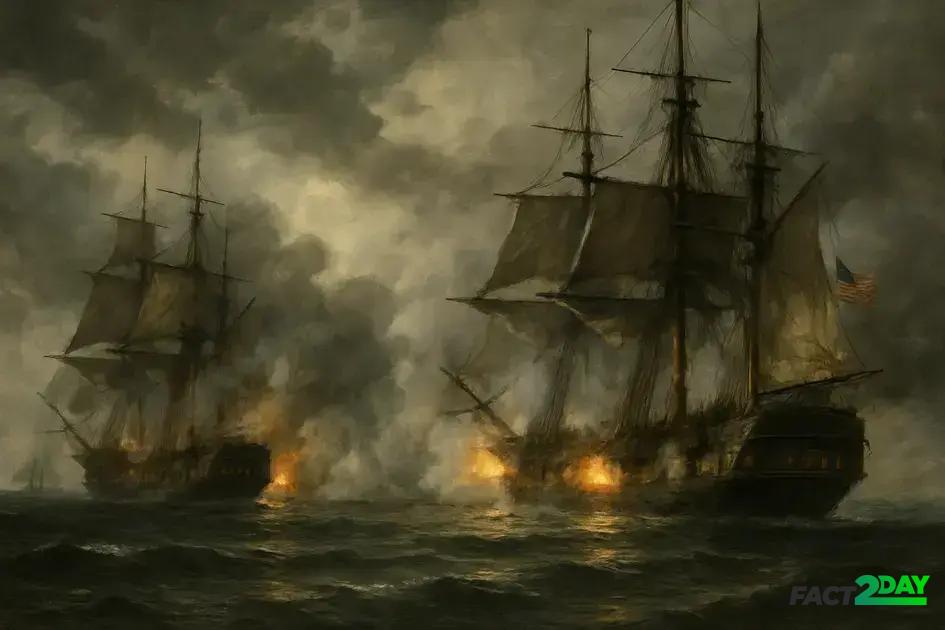
The shortest war in history, the Anglo-Zanzibar War of 1896, lasted just 38 minutes due to a rapid British naval bombardment that quickly ended the conflict and solidified British control over Zanzibar.
Shortest war ever recorded lasted just 38 minutes, an astonishing fact that makes you wonder how such a brief conflict could unfold. Curious about the details and what drove such a swift end? Let’s dive in and uncover the story behind this blink-and-you-miss-it war.
What was the shortest war in history?
The shortest war in history is widely recognized as the Anglo-Zanzibar War, which took place on August 27, 1896. This conflict lasted between 38 and 45 minutes, making it an astonishingly brief military engagement. The war was fought between the British Empire and the Sultanate of Zanzibar after the sudden death of the pro-British Sultan Hamad bin Thuwaini. When his successor, Sultan Khalid bin Barghash, took power without British approval, tensions quickly escalated.
The British issued an ultimatum demanding Khalid step down. When he refused, British naval forces opened fire on the Sultan’s palace, targeting key strongholds, including the royal yacht. The bombardment was swift and decisive, and Khalid fled, effectively ending the conflict in under an hour.
Significance of the Anglo-Zanzibar War
This war exemplifies how political power struggles and imperial interests could lead to rapid conflicts during the colonial era. The British wanted to ensure their influence over Zanzibar, a strategic location for trade and naval operations along the East African coast.
Despite its brevity, the Anglo-Zanzibar War left a lasting legacy as a case study in how diplomacy, military might, and political maneuvering intersected during the late 19th century. It remains a fascinating example of how wars may vary widely — some dragging on for years, others ending in just minutes.
Key events during the 38-minute war
The 38-minute war was marked by a series of rapid and intense events that showcased the power imbalance between the forces involved. The conflict began early in the morning when the British issued an ultimatum to Sultan Khalid bin Barghash to step down from power. Upon refusal, British warships positioned themselves strategically in the harbor of Zanzibar.
The bombardment and surrender
Once the deadline passed, British naval vessels opened fire on the Sultan’s palace and other key military targets. The bombardment was precise and devastating, disabling the Sultan’s armed yacht and the palace’s defenses quickly. Within minutes, the palace was heavily damaged, and casualties began to mount on the Zanzibari side.
Sultan Khalid fled the palace and sought asylum in the German consulate, effectively surrendering to British forces. This swift conclusion prevented prolonged fighting and further loss of life.
Aftermath and British victory
The British immediately installed a new Sultan who was more favorable to their interests. The conflict ended with minimal British casualties, highlighting the effectiveness of naval power and tactical superiority. Despite its brevity, the war reinforced British control over Zanzibar and sent a strong message to other colonial powers.
Actors involved and their motivations
The key actors in the shortest war in history were the British Empire and the Sultanate of Zanzibar. The British were motivated by their strategic interests in East Africa, aiming to maintain control over key ports and protect their trade routes. Zanzibar was an important hub due to its location near the Indian Ocean, making it valuable for colonial powers.
On the other side, Sultan Khalid bin Barghash had recently seized power without British approval. His motivation stemmed from a desire to assert independence and maintain control over his territory. However, his refusal to step down after the British ultimatum directly triggered the rapid conflict.
British motivations
The British wanted to ensure a compliant ruler on the Zanzibar throne to safeguard their political dominance and economic interests. Their quick and decisive military response showcased their aim to deter any challenges to their colonial influence.
Sultan Khalid’s standpoint
Sultan Khalid represented local authority trying to resist foreign interference. His actions illustrated the tensions between colonial powers and indigenous rulers during that era. Although his rule was short-lived, his resistance was a bold attempt to preserve autonomy.
Both parties were driven by different goals: the British focused on maintaining empire stability and trade control, while Khalid sought to uphold personal and political power against external pressures.
How the conflict started
The conflict began following the death of Sultan Hamad bin Thuwaini in August 1896. His successor, Sultan Khalid bin Barghash, took power without seeking approval from the British, who had significant influence over Zanzibar. This move challenged British control and sparked tension immediately.
The British ultimatum
The British authorities demanded that Khalid step down within an hour. When he refused, they prepared their naval forces for conflict. The ultimatum was a clear message that Britain would not tolerate any ruler who acted against its interests.
The refusal to comply with the British demand led to a rapid escalation, as the British warships began a bombardment targeting the Sultan’s palace and his defensive forces. This marked the official start of the war.
This swift outbreak of violence highlights how colonial ambitions and local power struggles converged, turning political disagreements into military conflict almost instantly.
The immediate consequences of the war
The immediate consequences of the shortest war were swift and impactful despite its brief duration. After the British victory, Sultan Khalid bin Barghash fled, and the British quickly installed a new Sultan who was more aligned with their interests, ensuring control over Zanzibar.
Political changes
This change in leadership solidified British influence in the region. The new Sultan was effectively a British puppet, which allowed the empire to maintain dominance over Zanzibar’s governance and trade policies.
Military and civilian impact
The war caused significant damage to the Sultan’s palace and his armed forces. Although the conflict lasted less than an hour, casualties occurred, mainly on the Zanzibar side, along with destruction of key defensive structures.
The British forces faced minimal casualties, highlighting their technological and tactical superiority. This showed how overwhelming power could resolve disputes quickly but with lasting effects on the local population.
Legacy of the conflict
The rapid conclusion of the war sent a clear message to other powers and local rulers about the strength of the British Empire. It also marked a defining moment in colonization history, illustrating how imperial interests often overrode local sovereignty.
Historical significance of brief wars
Brief wars, like the 38-minute Anglo-Zanzibar War, hold significant historical value despite their short duration. They reveal how quickly conflicts can erupt and be resolved, often influenced by power dynamics and political interests rather than prolonged battles.
Insights into power and diplomacy
Short wars often showcase the use of overwhelming force or strategic advantage to achieve swift outcomes. They highlight how diplomacy, military technology, and political pressure combine to shape outcomes without long-term fighting.
Impact on colonial history
Many brief wars occurred during the colonial era, emphasizing the tension between imperial powers and local rulers. These quick conflicts often resulted in rapid shifts in control and influence, affecting the region’s social and political landscapes for decades.
Lessons for modern conflicts
Studying such wars provides valuable lessons about conflict resolution and the potential for rapid change. They remind us that some wars do not require lengthy campaigns to have profound consequences on nations and peoples.
Overall, brief wars underscore the complexity of military and political strategies, showing that even short engagements can leave lasting marks on history.
Lessons learned from the shortest war
The shortest war offers valuable lessons about the nature of conflict and power. It shows that not all wars need to be long and drawn out; sometimes, swift action can achieve political goals effectively. Understanding this can help in analyzing how military strength and diplomacy interact.
The importance of decisive leadership
Quick decisions and clear objectives often determine the outcome of conflicts. The Anglo-Zanzibar War highlights how a rapid military response, combined with political pressure, can end a conflict before it escalates further.
Power dynamics and colonialism
The war demonstrates how colonial powers exercised control through intimidation and force. It also serves as a reminder of the impact imperialism had on local populations and rulers who resisted external interference.
Impact on modern conflict resolution
Studying such brief wars encourages us to value diplomacy and prevent unnecessary bloodshed. It suggests that understanding the underlying issues quickly can prevent prolonged conflict and promote peaceful solutions.
Overall, the shortest war teaches that sometimes, speed and strategy in conflict can have lasting political implications.
Comparisons with other short conflicts
Several wars in history lasted only a short time, similar to the Anglo-Zanzibar War. These brief conflicts often arose from specific political tensions or power struggles and ended quickly due to overwhelming force or swift resolutions.
Examples of other short wars
The Six-Day War in 1967, although longer than the 38-minute war, lasted just six days and resulted in major territorial changes in the Middle East. Another example is the Football War between El Salvador and Honduras in 1969, which lasted about 100 hours and stemmed from geopolitical and social issues.
Factors behind short conflicts
The common thread in these brief wars is the use of decisive military strategy or rapid diplomatic pressure. Overwhelming superiority or unexpected events can cause quick surrenders or ceasefire agreements.
Comparing these conflicts helps us understand that the length of a war does not always correspond to its impact. Short wars can have lasting consequences politically and socially, altering borders and influencing international relations.
Studying these quick wars encourages a broader view of conflict resolution and the importance of timing and power dynamics in shaping history.
The war’s impact on international relations
The shortest war had a notable impact on international relations, particularly in how colonial powers exerted control over smaller territories. The quick British victory reinforced their dominance in East Africa and showed other nations the lengths they would go to protect their interests.
Strengthening colonial influence
The swift resolution of the conflict sent a strong message to other colonial powers about British military power and political resolve. This helped secure Britain’s strategic control over Zanzibar and the surrounding region.
Tensions among colonial powers
The incident highlighted the competitive nature of European imperialism, as other powers like Germany monitored Britain’s moves closely. Such conflicts emphasized the fragile balance of power during the colonial era and the possibility of rapid military action influencing diplomatic relations.
Legacy in modern diplomacy
The war exemplifies how even brief conflicts can shift alliances and impact negotiations. It reminds us that international relations often depend on displays of power and the ability to act decisively when interests are challenged.
Overall, the war contributed to shaping colonial policies and the geopolitical landscape of the time, influencing how empires interacted on the global stage.
Preserving the memory of short but intense wars
Preserving the memory of short but intense wars is essential to understanding history and learning from past conflicts. These brief wars, though quick, often had significant impacts on societies and geopolitics.
Methods of preservation
Museums, monuments, and archives play a crucial role in keeping the memory alive. Artifacts, documents, and personal accounts help future generations grasp the intensity and importance of these short conflicts.
Education and public awareness
Including these wars in history lessons and public discussions ensures they are not forgotten. Understanding their causes and consequences offers insights into the complexities of power, diplomacy, and military action.
The cultural impact
These wars often inspire literature, film, and art, providing a way to reflect on the human experience of conflict. Memorial events and anniversaries also help communities honor those affected and maintain historical awareness.
Preserving the memory of such wars reminds us that even brief moments of conflict can leave a lasting mark on the world.
Understanding the shortest war and its lessons
The shortest war in history may have lasted only minutes, but its impact was significant. It provides a clear example of how quick decisions and overwhelming power can shape the course of history.
By studying this brief yet intense conflict, we learn about the complexities of colonialism, diplomacy, and military strategy. It also reminds us that even the shortest wars can leave lasting marks on international relations and local communities.
Remembering and preserving these events helps us appreciate the importance of peace and the need to resolve conflicts thoughtfully. The story of the shortest war teaches valuable lessons about power, politics, and the human cost of war.