These Fish Can Change Sex When Needed
Sex-changing fish reveal a fascinating world where adaptability flows with the tide, transforming gender when the situation calls for it.
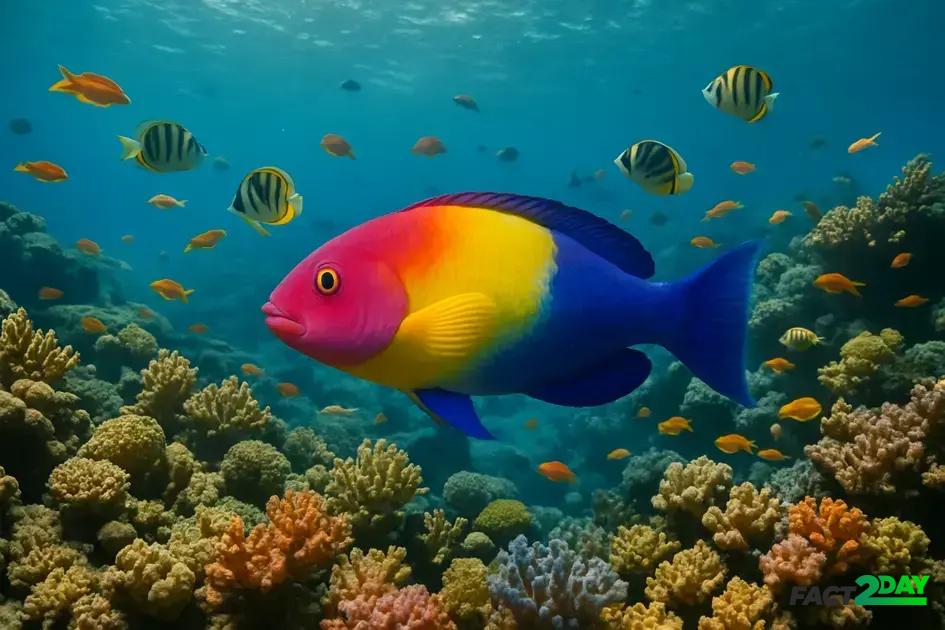
Sex-changing fish have the unique ability to switch their gender in response to social and environmental factors, ensuring reproductive balance and survival within their ecosystems.
Sex-changing fish offer more than nature’s curiosity—they challenge how we understand gender and survival under water. Ever wondered why some fish switch roles in their watery homes?
how sex-changing fish adapt to their environment
Sex-changing fish have unique ways to adapt to their environment, ensuring survival and reproductive success. These fish can switch their sex based on social conditions, population dynamics, or environmental factors. For example, if a dominant male is removed from a group, the largest female may change sex to take over the male role.
The process is influenced by hormones triggered by changes in social hierarchy and environmental cues such as temperature and the presence of other fish. This flexibility allows populations to maintain a balance between males and females, optimizing mating opportunities.
Some species are protogynous, starting life as females and later becoming males, while others are protandrous, beginning as males and switching to females. This adaptability gives these fish an advantage in fluctuating environments where mates are scarce.
Behavioral and physiological changes
Alongside sex transformation, these fish exhibit behavioral changes, such as increased aggression or courtship displays. Physiological adjustments occur in the gonads to shift from producing eggs to sperm or vice versa, a complex process regulated internally but triggered by external conditions.
This remarkable adaptability highlights a fascinating survival strategy in the aquatic world, showcasing how sex-changing fish use their environment as a cue to optimize reproduction and maintain their populations.
the biological mechanisms behind sex change
The biological mechanisms behind sex change in fish are complex and fascinating. These fish rely on a combination of hormonal, genetic, and environmental factors to trigger and control the transformation process. Key hormones such as estrogens and androgens regulate the development of sexual characteristics by altering the fish’s reproductive organs.
Hormonal changes play a central role in initiating the sex change. For example, a decrease in estrogen levels and an increase in androgens can lead to the development of male traits in a female fish. These shifts happen when the fish experiences changes in social structure or environmental cues.
At the cellular level, the gonads undergo a transformation where ovarian tissue can be reabsorbed and replaced by testicular tissue—or vice versa—allowing the fish to switch its reproductive function. This process involves gene expression changes that activate or repress specific proteins responsible for sex differentiation.
Role of the brain and environment
The brain senses social and environmental signals that impact hormone release. For instance, when the dominant male is absent, the brain of the largest female interprets this as a signal to start the sex-change process. Environmental factors like temperature, light, and population density also impact hormone levels and gene regulation.
This biological flexibility demonstrates how sex-changing fish adapt efficiently to ensure reproduction success, making them an important subject of study in evolutionary biology and endocrinology.
species known for sex-changing abilities
Several fish species are known for their remarkable ability to change sex, adapting to their social and environmental conditions. One well-known group is the wrasses, which include species like the bluehead wrasse and the cleaner wrasse. These fish often start life as females and can become males when the dominant male disappears.
Another example is the clownfish, popularized in media and aquariums. Clownfish are protandrous hermaphrodites, meaning they begin life as males and change to females if the dominant breeding female dies.
Parrotfish also exhibit sex-changing abilities, playing a vital role in reef ecosystems by maintaining population balance. Their vibrant colors often shift alongside their gender transition.
Additional species
Species like groupers, some sea basses, and gobies also demonstrate sex change. Each species may have different triggers and methods for this process, but all share a common goal: maximizing reproductive success.
These fish provide unique insights into biological adaptation and the evolution of reproductive strategies.
ecological roles of sex-changing fish
Sex-changing fish play crucial ecological roles in their habitats. By adjusting their sex, these fish help maintain balanced populations, ensuring both males and females are available for reproduction. This flexibility supports the stability and growth of fish communities.
Population balance is vital for healthy ecosystems. When environmental pressures or fishing reduce the number of one sex, sex-changing fish can compensate by shifting gender. This adaptability helps prevent population declines and promotes genetic diversity.
Impact on coral reefs and marine life
Many sex-changing fish, like wrasses and parrotfish, contribute to coral reef health. Parrotfish, for instance, graze on algae that can otherwise overwhelm coral, helping reefs thrive. Their role is enhanced by their ability to change sex, which supports continuous breeding and population resilience.
Additionally, sex-changing fish affect predator-prey dynamics. By adapting their sex and behavior, they can respond to changes in threats and food availability, contributing to ecosystem balance.
Overall, these fish are important participants in marine food webs and habitat maintenance, highlighting how biological adaptability supports ecological health.
impacts of environmental stress on sex change
Environmental stress can greatly impact the sex-change process in fish. Factors such as temperature fluctuations, pollution, habitat loss, and changes in population density influence hormone levels, triggering or hindering sex transformation. Stress can delay or disrupt the normal timing of sex change, affecting reproduction.
Temperature plays a critical role. Warmer or cooler water than usual can alter hormone production, affecting the fish’s ability to switch sexes when needed. Some fish species have specific temperature ranges required for successful sex change.
Pollution and habitat degradation
Chemicals and toxins in the water can interfere with endocrine systems, causing abnormal hormone levels. Pollution may cause fish to fail in changing sex or change at inappropriate times, reducing fertility and population survival.
Population density changes also signal sex change. If too many males or females exist, stress can influence whether fish change sex to balance ratios. However, excessive environmental pressures can overwhelm this adaptability, leading to broader ecological impacts.
Understanding how environmental stress affects sex-changing fish is vital for conservation efforts, helping maintain healthy ecosystems.
what we learn from fish about adaptation
Fish that can change sex teach us valuable lessons about adaptation and survival. Their ability to switch genders shows how living creatures can respond to challenges in their environment by altering biology and behavior to maximize survival chances.
This flexibility highlights the importance of being able to adjust quickly to changing social and environmental conditions. It shows that adaptation is not just about physical traits but can also involve complex changes inside the body.
Lessons from nature
Sex-changing fish demonstrate how resilience can be built through biological innovation. Their sex change is a survival strategy that balances populations and ensures reproductive success, even when conditions shift.
These fish remind us that adaptability often requires cooperation between genetics, behavior, and environment. Understanding these processes can inspire new ideas in conservation biology and medicine.
Overall, studying these fish helps us appreciate the diverse ways life evolves to meet challenges and thrive in a changing world.
Understanding the Wonders of Sex-Changing Fish
The ability of some fish to change sex is a powerful example of nature’s creativity and adaptability. It helps maintain healthy populations and supports ecosystems in unique ways.
By studying these fish, we gain insights into how living beings adjust to challenges and thrive in changing conditions. Their biology and behavior remind us that adaptation is key to survival.
Recognizing the importance of sex-changing fish enriches our appreciation of the natural world and highlights how much we can learn from it.