Shadowy Hands: The Undeniable (and Often Overt) Influence of Secret Societies on Public Life Through History
Explore the mysterious world of Secret Societies Public Influence and uncover their surprisingly powerful role in shaping public life through history.
Have you ever found something totally bizarre in a game that just wasn’t meant to be there? Back in the day with the original Pokémon Red and Blue, there was a glitch but not just any glitch it was a legendary one called MissingNo.
If you fished on Cinnabar Island, suddenly this weird blocky creature would appear. It looked like static, sounded creepy, and could actually mess up your game. It could corrupt your Hall of Fame, make your graphics glitch out complete chaos!
But the crazy thing? Players loved it. Why? Because catching MissingNo would duplicate items in your bag. Suddenly, you could have endless Rare Candies or Master Balls! What was supposed to be a bug became a secret cheat, an unofficial feature beloved by fans. Seriously, what other game turns a programming mistake into a legendary feature? Mind. Blown.
Ever wondered how much control secret groups have over our daily lives? Secret Societies Public Influence has shaped history more than you might think. Let’s dive into the hidden world behind the shadows and discover the truth together.
Origins and Evolution of Secret Societies
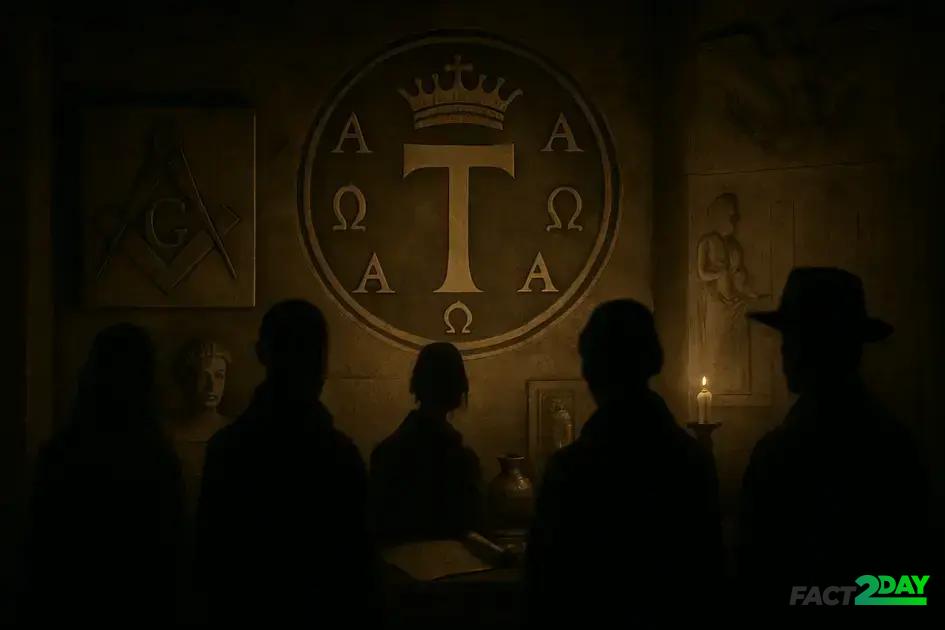
Secret societies have existed for centuries, often emerging during times of political or social unrest. Their origins can be traced back to ancient civilizations where groups formed to protect knowledge or pursue shared interests in secrecy. Over time, these societies evolved, adapting their goals and methods to changing historical contexts.
Early Beginnings and Purposes
Many secret societies began as small, exclusive groups focused on religious, philosophical, or political ideals. For example, groups like the Eleusinian Mysteries in ancient Greece held secret rites to impart special knowledge to initiates. Similarly, medieval guilds and confraternities maintained secrecy to protect trade secrets and mutual support.
Evolution Through the Ages
During the Renaissance and Enlightenment periods, secret societies became more organized and influential, often intertwining with politics and intellectual movements. The Freemasons, for instance, rose to prominence by promoting enlightenment ideals while operating with strict secrecy. This era introduced coded symbols, rituals, and hierarchical structures.
Modern Adaptations
In the 19th and 20th centuries, secret societies adapted to new challenges, sometimes focusing on political revolution, social reform, or maintaining elite networks. Groups like the Illuminati and Skull and Bones entered public imagination, reflecting the mix of myth and reality surrounding these organizations. Despite increased public scrutiny, many societies maintained their secret traditions.
Key Stages in Evolution
- Ancient Origins: Groups formed for knowledge protection or shared interests.
- Medieval Period: Guilds and confraternities protected trade secrets and provided mutual support.
- Renaissance/Enlightenment: Became more organized, influential, intertwined with politics and intellect (e.g., Freemasons).
- Modern Era: Adapted to new challenges, focusing on political revolution, social reform, or elite networks (e.g., Illuminati, Skull and Bones).
- Persistent Presence: Highlights fascination with exclusivity, knowledge, and influence.
Famous Secret Societies and Their Missions
Throughout history, several secret societies have gained notoriety for their distinctive missions and influence. Each society formed around unique goals, often blending mysticism, politics, and social aspirations to shape public life discreetly.
The Freemasons
The Freemasons are among the most well-known secret societies, known for promoting brotherhood, moral uprightness, and enlightenment ideals. With roots tracing back to medieval stonemason guilds, they evolved into a global fraternal organization. Their symbols, rituals, and hierarchical structure emphasize personal development and community service.
The Illuminati
Founded in 1776 in Bavaria, the Illuminati sought to promote reason and secularism while opposing superstition and religious influence in government. Although officially disbanded in the late 18th century, the Illuminati has become a cultural symbol representing hidden control and conspiracy theories about global power.
Skull and Bones
This secret society at Yale University has been associated with elite networking among influential figures, including politicians and business leaders. Their mission centers on loyalty, secrecy, and mutual support among members, often cultivating future leaders.
The Rosicrucians
Rooted in mysticism and esoteric knowledge, the Rosicrucians aim to study spiritual truths and promote peace and wisdom. Their blend of philosophy, science, and spirituality has attracted various intellectuals throughout history.
Notable Societies and Their Aims
- The Freemasons: Promote brotherhood, moral uprightness, enlightenment ideals, personal development, and community service.
- The Illuminati: Sought to promote reason and secularism, opposing superstition and religious influence (now a cultural symbol of hidden control).
- Skull and Bones: Focus on elite networking, loyalty, secrecy, and mutual support among members, cultivating future leaders.
- The Rosicrucians: Aim to study spiritual truths and promote peace and wisdom through mysticism, philosophy, science, and spirituality.
Methods Used by Secret Societies to Influence Public Life
Secret societies use a variety of methods to extend their influence over public life, often working behind the scenes. These methods blend secrecy, strategic planning, and social networking to achieve their goals.
Networking and Connections
One key method is establishing strong networks among members who hold positions of power in politics, business, and culture. By creating bonds based on trust and secrecy, these societies influence decisions and policies indirectly through personal relationships.
Symbolism and Rituals
Secret societies often use symbols, rituals, and ceremonies to build group identity and loyalty. These elements also serve to subtly signal membership and influence, sometimes embedding their symbols in architecture, currency, or public art to convey power discreetly.
Information Control and Secrecy
Controlling information flow lets secret societies shape narratives and public opinion. By keeping their activities confidential and selectively sharing knowledge, they maintain an aura of mystery that enhances their influence while avoiding direct scrutiny.
Political and Social Maneuvering
Many secret societies engage in discreet lobbying, backing certain candidates, or promoting ideologies aligned with their agendas. This political maneuvering allows them to steer policies and public decisions without overt involvement.
Philanthropy and Public Projects
Through charitable works and sponsoring public projects, some secret societies build goodwill and positive reputations. These visible efforts can mask their deeper ambitions while contributing to society, creating a dual image of benevolence and power.
Key Influence Methods
- Elite Networking: Establishing connections among influential members in various sectors.
- Symbolism & Rituals: Building identity and subtle influence through distinctive signs and practices.
- Information Control: Shaping narratives and public opinion by managing confidentiality.
- Political Maneuvering: Discreet lobbying, supporting candidates, and promoting agendas.
- Philanthropy: Building positive reputations through charitable works to mask broader ambitions.
Secret Societies and Political Power Games
Secret societies have long been linked to political power games, often acting as hidden forces behind major decisions and leadership changes. They use their networks to influence policies and maintain control over political landscapes.
Influence Behind the Scenes
By leveraging connections with politicians and key officials, secret societies can support candidates who align with their interests. These connections sometimes include involvement in election campaigns, lobbying efforts, or strategic advice to shape government agendas.
Manipulating Power Dynamics
Members of secret societies often hold influential positions, allowing them to maneuver political events to their advantage. This may include swaying legislation, influencing judicial decisions, or affecting foreign policy, often without public awareness.
Historical Examples
Throughout history, secret societies have been accused of orchestrating coups, revolutions, or political shifts. For instance, some claim that groups like the Freemasons played roles in shaping early American politics or European monarchies, though much remains speculative.
Risks and Controversies
The covert nature of these activities raises concerns about democracy and transparency. Critics argue that secret societies undermine public trust by operating outside official channels, potentially prioritizing group interests over the greater good.
Political Influence Strategies
- Leveraging Connections: Supporting aligned candidates and advising on government agendas.
- Maneuvering Events: Members in influential positions swaying legislation and policy.
- Historical Allegations: Accusations of orchestrating political shifts or revolutions.
- Transparency Concerns: Operating outside official channels can undermine public trust.
Impact on Culture and Societal Norms
Secret societies have subtly influenced culture and societal norms throughout history. Their beliefs, symbols, and rituals have woven into art, literature, and social customs, shaping how societies view power, knowledge, and community.
Symbolism in Art and Architecture
Many secret societies use distinctive symbols that have appeared in public architecture, paintings, and monuments. These symbols often carry deeper meanings related to wisdom, secrecy, and enlightenment, subtly influencing cultural expressions.
Shaping Social Values and Norms
By promoting specific philosophical or moral ideals, secret societies have contributed to shaping social values like loyalty, honor, and discretion. Their emphasis on brotherhood and mutual support reflects in societal expectations around trust and cooperation.
Influence on Literature and Media
Secret societies have inspired countless stories, myths, and conspiracy theories. These narratives feed public fascination and affect how culture perceives power and secrecy. Books and films often portray them as mysterious forces, adding layers to societal imagination.
Role in Social Movements
Some secret societies have influenced or participated in major social movements, supporting ideas of freedom, equality, or reform. Their discreet activism has sometimes guided public opinion or fostered change while maintaining anonymity.
Cultural and Societal Influence
- Symbolic Integration: Distinctive symbols woven into art, architecture, and cultural expressions.
- Value Promotion: Shaping social norms like loyalty, honor, and discretion through ideals.
- Narrative Inspiration: Fueling countless stories, myths, and conspiracy theories in media.
- Activism: Discreetly influencing or participating in social movements for reform.
Conspiracy Theories Versus Historical Facts
Secret societies often inspire a mix of conspiracy theories and historical facts, making it hard to separate reality from fiction. While some claims are exaggerated, others have a basis in documented events and evidence.
Common Conspiracy Theories
Many conspiracy theories suggest secret societies control governments, economies, or media globally. These ideas are fueled by secrecy, symbols, and occasional leaks that suggest hidden agendas, yet lack solid proof.
Known Historical Facts
Historically, secret societies have influenced politics, culture, and social movements. Groups like the Freemasons played roles in early American history, while others engaged in political lobbying or social reform discreetly.
The Role of Secrecy
Secrecy adds to the mystery, making it difficult to verify claims. While some secrecy protects legitimate privacy among members, it also allows rumors and misinformation to flourish.
Why Conspiracy Theories Persist
People are drawn to explanations that simplify complex events or expose hidden forces. Conspiracy theories about secret societies provide dramatic narratives that satisfy curiosity but often overlook nuanced historical contexts.
Navigating Fact and Fiction
- Conspiracy Claims: Often suggest global control lacking solid proof.
- Documented Influence: Historical roles in politics, culture, and social movements.
- Secrecy’s Dual Role: Protects privacy but also fosters rumors and misinformation.
- Narrative Appeal: Theories persist due to their dramatic and simplifying explanations for complex events.
Notable Members and Their Public Roles
Many secret societies have counted influential figures among their members, who often held public roles that shaped history and society. These individuals used their positions to advance the goals of their organizations while impacting broader political, cultural, and social landscapes.
Prominent Political Leaders
Several presidents, prime ministers, and other political figures have been linked to secret societies. For example, numerous early U.S. presidents were Freemasons, using their membership to foster connections and advance shared ideals of governance and democracy.
Influential Business Figures
Members in the business world often use secret society networks for collaboration and influence. This includes entrepreneurs and financiers who can drive economic policies and trends while maintaining discretion about their affiliations.
Artists and Intellectuals
Writers, philosophers, and artists have also been part of secret societies, sometimes using their art to express the values and symbols of their groups subtly. Their public work often reflects the intellectual and mystical interests of their societies.
Hidden Roles and Public Perception
While some members openly acknowledge their affiliations, others keep them secret due to public suspicion or professional reasons. The presence of such figures feeds public fascination and fuels theories about hidden influence.
Public Figures and Their Affiliations
- Political Leaders: Presidents, prime ministers fostering connections and advancing ideals (e.g., U.S. presidents as Freemasons).
- Business Figures: Entrepreneurs and financiers using networks to influence economic policies.
- Artists & Intellectuals: Writers, philosophers expressing group values and mystical interests through their work.
- Public Perception: Members’ presence fuels fascination and theories about hidden influence due to secrecy.
Secret Societies in Modern Times
Secret societies continue to exist in modern times, adapting to new social and political landscapes while maintaining many traditional elements. Their presence remains subtle but significant in various parts of the world.
Adaptation to Contemporary Society
Modern secret societies often use technology to communicate and organize discreetly. They balance secrecy with the need to stay relevant, sometimes engaging in philanthropy or public discourse without revealing full involvement.
Continuing Traditions and Rituals
Despite changes, many societies preserve ancient rituals and symbols to maintain their identity and foster belonging among members. These rituals continue to serve as a bond and a way to pass down values and knowledge.
Public Awareness and Skepticism
Today, secret societies face greater public scrutiny and skepticism thanks to media coverage and the internet. This transparency challenges them to adapt by being more cautious or selective about membership and activities.
Influence in Modern Sectors
Members often occupy influential roles in politics, business, and culture, continuing to exercise power through networking and shared interests. However, their impact is less overt and more dispersed than in the past.
Modern Resilience and Evolution
- Digital Adaptation: Using technology for discreet communication and organization.
- Traditional Preservation: Maintaining rituals and symbols for identity and belonging.
- Increased Scrutiny: Facing skepticism due to media and internet transparency.
- Subtle Influence: Members occupying influential roles, but with more dispersed impact.
Public Perception and Media Portrayal
Public perception of secret societies is often shaped by media portrayals that mix fact, fiction, and speculation. These portrayals influence how people view the power and intentions of these groups.
Media Influence on Public Opinion
Movies, television shows, and books frequently depict secret societies as mysterious and powerful organizations manipulating world events. This entertainment often sensationalizes their activities, creating an image of intrigue and danger.
Role of Conspiracy Theories
Conspiracy theories play a big role in shaping public perception. They suggest secret societies control governments, finance, or culture, often without clear evidence. These theories feed public fascination but also skepticism and fear.
Balanced Reporting Challenges
Journalists and researchers face difficulties reporting accurately on secret societies due to their secrecy. This can lead to speculation or misinformation, complicating public understanding and creating a mix of curiosity and mistrust.
Social Media and Modern Perception
Social media spreads both information and rumors quickly. It gives a voice to believers and skeptics alike, sometimes amplifying misconceptions but also providing platforms for critical discussion.
Shaping Public Views
- Sensationalized Portrayals: Media often depicts societies as mysterious and powerful manipulators.
- Conspiracy Theory Fuel: Theories suggest hidden control, feeding fascination and skepticism.
- Reporting Difficulties: Secrecy complicates accurate reporting, leading to speculation.
- Social Media Impact: Amplifies both information and rumors, influencing modern perception.
Legal and Ethical Implications of Secret Society Influence
The influence of secret societies raises important legal and ethical questions, especially when their actions affect public life without transparency. These concerns focus on accountability, fairness, and the rule of law.
Legal Challenges
Secret societies operate in secrecy, which can conflict with laws requiring transparency and disclosure in government and business. Their covert influence may skirt regulations or exploit loopholes, making legal oversight difficult.
Ethical Concerns
Ethical questions arise when secret societies prioritize their members’ interests over the public good. Actions like clandestine lobbying, favoritism, or suppression of dissent challenge democratic principles and fairness.
Impact on Democracy and Trust
The hidden nature of secret society influence can erode public trust in institutions. When people suspect unseen forces control decisions, it undermines confidence in governance and social systems.
Balancing Privacy and Transparency
While privacy and freedom of association are rights, they must be balanced with the need for transparency to prevent abuse of power. Finding this balance remains a complex legal and ethical issue.
Accountability and Fairness
- Legal Conflicts: Secrecy can clash with transparency laws, hindering oversight.
- Ethical Dilemmas: Prioritizing member interests challenges democratic principles.
- Erosion of Trust: Hidden influence undermines public confidence in institutions.
- Balancing Rights: Finding the equilibrium between privacy and transparency to prevent abuse.
Wrapping Up the Influence of Secret Societies
Secret societies have played a surprising and sometimes mysterious role in shaping public life throughout history. Their influence reaches into politics, culture, and social norms, often operating behind the scenes.
While many aspects remain hidden or surrounded by myths, understanding their methods, members, and impact helps us see a fuller picture of their role in society. The balance between secrecy and transparency raises important legal and ethical questions for modern times.
As curiosity and speculation continue, staying informed with facts is key to understanding the true influence of these shadowy groups.