Rainbows of Life: The Fascinating Science Behind Nature’s Most Vibrant Colors
Explore the science of color in nature to uncover how vibrant hues emerge and inspire wonder in the natural world.
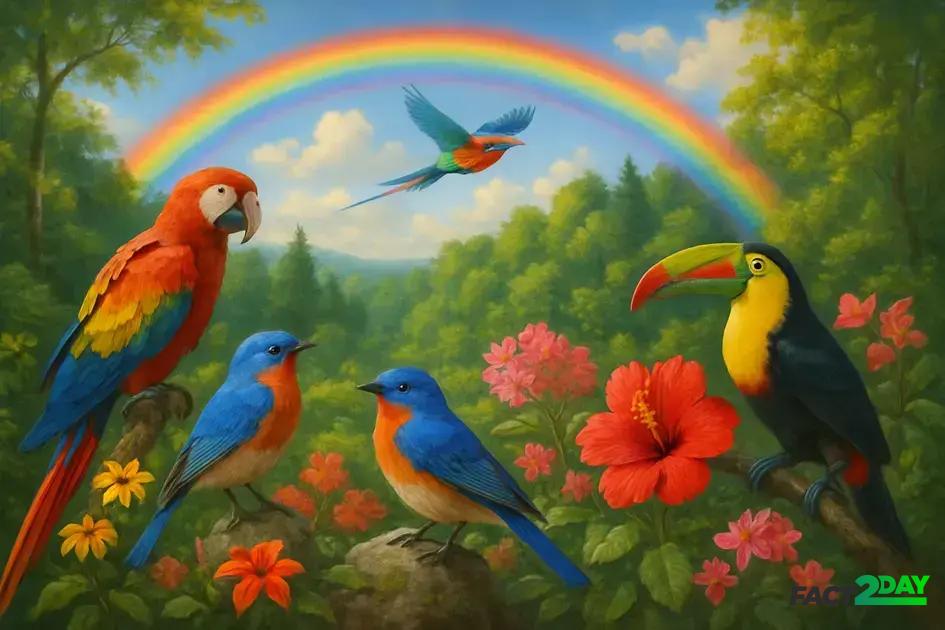
The science of color in nature explains how light, pigments, and environmental factors create vibrant hues in plants and animals, which serve crucial roles in camouflage, communication, and survival.
Have you ever wondered about the Science of Color in Nature? From the shimmer of a bird’s feathers to the glow of a sunset, the story behind these vibrant colors is a dance of light, biology, and environment inviting us to look deeper.
The basics of how color appears in nature
Color in nature originates from how light interacts with materials. When sunlight hits objects like leaves, feathers, or water, some wavelengths of light are absorbed while others are reflected. The wavelengths reflected determine the color we perceive. For example, chlorophyll in leaves absorbs most colors but reflects green, giving plants their characteristic color.
Types of Color in Nature
Colors can be created through pigments, which are chemicals that absorb certain light wavelengths. Another important source of color is structural coloration, where microscopic structures interfere with light, causing effects like iridescence seen in butterfly wings or peacock feathers.
Both pigment-based and structural colors serve many purposes in nature such as attracting pollinators, camouflage, or signaling danger. Understanding these basics is key to appreciating the amazing diversity of natural colors we see every day.
The role of light and pigments in coloring plants and animals
The colors in plants and animals largely depend on how light interacts with pigments present in their cells. Pigments are molecules that absorb certain parts of the light spectrum and reflect others, creating the colors we see. For example, chlorophyll in plants absorbs red and blue light but reflects green, which is why most plants appear green.
Common Pigments in Plants
Besides chlorophyll, plants have other pigments like carotenoids that reflect yellow, orange, and red hues. These pigments often become more visible in autumn when chlorophyll breaks down. Another important pigment is anthocyanin, which gives red, purple, and blue colors depending on the pH level in plant tissues.
Pigments and Light in Animals
Animals get their colors from pigments such as melanin, which contributes to brown, black, and yellow shades. Some animals also use structural coloration, where microscopic structures affect how light is reflected, creating iridescent or shimmering effects, often combined with pigment colors.
Understanding the interplay of light and pigments helps explain how diverse and vivid colors appear in the natural world, offering advantages such as camouflage, mating displays, and warning signals.
How rainbows form and what they reveal about light
Rainbows form when sunlight passes through water droplets in the atmosphere. The light bends, or refracts, as it enters the droplet, reflects off the back, and then refracts again as it leaves. This process separates the light into its different colors, creating a spectrum from red to violet.
The Science Behind the Colors
Each color in a rainbow bends at a slightly different angle due to its wavelength. Red light bends the least, while violet bends the most. This separation of colors is called dispersion. The result is the beautiful arc of distinct colors we see in the sky during or after rain.
Rainbows reveal important details about the behavior of light. They demonstrate that white light is made up of many colors, each bending differently when passing through a medium such as water. This basic principle helps explain other natural phenomena involving light, such as halos and prisms.
Additionally, the angle at which you view a rainbow matters. The light must reach your eye from droplets at just the right angle, usually around 42 degrees from the direction opposite the sun.
Types of Rainbows
Sometimes, you can see a double rainbow. This happens when light reflects twice inside the water droplet, creating a secondary arc with colors in reverse order and usually fainter. Other variations include fogbows and moonbows, which occur under specific atmospheric conditions.
The symbolism and cultural meanings of natural colors
Natural colors often carry deep symbolic meanings and cultural significance across the world. For example, the color red can symbolize passion, luck, or danger, depending on the society. In many Asian cultures, red is associated with good fortune and celebration, while in Western cultures, it may represent love or warning.
Colors in Cultural Traditions
Colors like white and black also have contrasting meanings. White is often linked to purity and peace in some cultures but can represent mourning in others. Similarly, black may symbolize power and elegance, or death and sorrow, depending on cultural context.
Many indigenous peoples use natural colors derived from plants, minerals, or animals to create art that represents identity and beliefs. For instance, the vibrant colors of Native American beadwork or Australian Aboriginal art carry stories and cultural heritage.
Emotional and Social Impact
Colors in nature can influence emotions and social behavior. Blue skies and green landscapes are often calming and refreshing, motivating creativity and relaxation. Warm colors like orange and yellow can evoke energy and happiness.
Understanding the cultural and emotional role of natural colors helps us appreciate not just their beauty, but also their importance in human history and communication.
Color changes in animals and plants as a survival strategy
Many animals and plants change color as a way to survive in their environment. This ability, known as color adaptation, helps them avoid predators, regulate temperature, or communicate. For example, chameleons can change their skin color to blend into surroundings or signal moods.
Camouflage and Protection
Color changes often serve as camouflage. Animals like the arctic fox turn white during winter to blend with snow and brown in summer to match the earth. Some plants also adjust their colors to avoid herbivores by mimicking toxic or unappetizing species.
Communication and Mating
Color shifts can signal warnings or attract mates. For example, certain frogs display bright colors when threatened, warning predators of their toxicity. Birds may change plumage colors during mating season to attract partners.
Environmental Response
Plants can change leaf color in response to stress like drought, temperature changes, or daylight. This can shield them from damage or prepare them for seasonal changes. These adaptations reveal how dynamic and interactive nature’s colors are.
Human perception of color and its biological basis
Human perception of color depends on the eyes and brain working together to interpret light signals. Inside the eye, the retina contains cells called cones that detect red, green, and blue wavelengths. These signals are sent to the brain, which combines them to create the millions of colors we can see.
The Role of Cones and Rods
Cones are responsible for color vision and work best in bright light. Rods, another type of retinal cell, detect light intensity but do not perceive color, helping us see in dim light. The combination allows humans to see a wide range of colors in different lighting conditions.
Variations in cone cells explain why some people have color blindness. This condition occurs when one or more types of cones are absent or function differently, affecting how colors are distinguished.
Brain Processing of Color
The brain interprets color through complex processing in the visual cortex. It compares signals from cones to detect differences and create color contrasts. This process is why colors can appear vibrant or dull depending on their surroundings.
Understanding the biological basis of color perception helps us appreciate how humans experience the colorful world around them and why color plays such a vital role in communication and emotion.
How climate and environment influence natural colors
The colors we see in nature are often shaped by climate and environment. Different weather patterns, temperatures, and ecosystems can influence how vibrant or dull colors appear in plants and animals. For example, animals living in colder climates may have lighter colors to blend with snow, while those in tropical areas show brighter hues.
Environmental Factors Affecting Color
Sunlight intensity plays a major role; stronger sunlight can make colors more vivid, while shaded or cloudy areas may cause colors to appear muted. Soil composition and water availability also affect plant pigmentation, influencing leaf and flower colors.
Adaptation to Climate
Plants and animals adapt their colors to survive their surroundings. Camouflage colors help hide from predators in specific environments, while bright colors may warn of toxicity or attract mates. Seasonal changes, such as autumn leaf color shifts, happen as temperatures drop and daylight shortens.
Pollution and human impact can also alter natural colors by damaging pigments or changing habitats, which shows the delicate balance between organisms and their environments.
Preserving nature’s vibrant colors through environmental care
Preserving nature’s vibrant colors starts with protecting the environments where these colors thrive. Pollution, deforestation, and climate change can all damage ecosystems and reduce the natural beauty around us. Taking care of natural habitats helps maintain the balance that allows colorful plants and animals to flourish.
The Impact of Pollution
Air and water pollution can harm the delicate pigments in plants and animals. Chemicals in polluted water may fade the color of fish and corals, while polluted air can damage leaves, leading to duller colors.
Deforestation and Habitat Loss
Cutting down forests removes homes for countless species that rely on colorful leaves, flowers, and feathers for survival. Protecting forests and planting native trees help preserve the natural palette and support biodiversity.
Climate Change Effects
Changing temperatures and weather patterns disrupt natural cycles like flowering and migration. This can interfere with color changes tied to seasons, harming species’ ability to adapt and survive. Efforts to reduce carbon emissions contribute to stabilizing these cycles.
Community involvement and conservation efforts are critical. Encouraging sustainable practices, protecting wildlife areas, and educating people about nature’s colors help ensure these vibrant displays remain for future generations to enjoy.
Understanding and Protecting Nature’s Colors
The vibrant colors we see in nature are not just beautiful but serve important roles in survival and communication. From the way light and pigments work to the effects of climate and environment, color is deeply connected to life.
By learning how colors form and change, we can better appreciate the natural world around us. Taking care of the environment is key to preserving these stunning displays for future generations.
Each action to reduce pollution, protect habitats, and combat climate change helps keep nature’s colors alive and thriving. Together, we can ensure that the rainbows of life continue to inspire and amaze.