Living Light: The Fascinating Science Behind Bioluminescence in Animals and Fungi
The science of bioluminescence reveals the magical glow in animals and fungi, sparking our curiosity about the light that lives in nature.
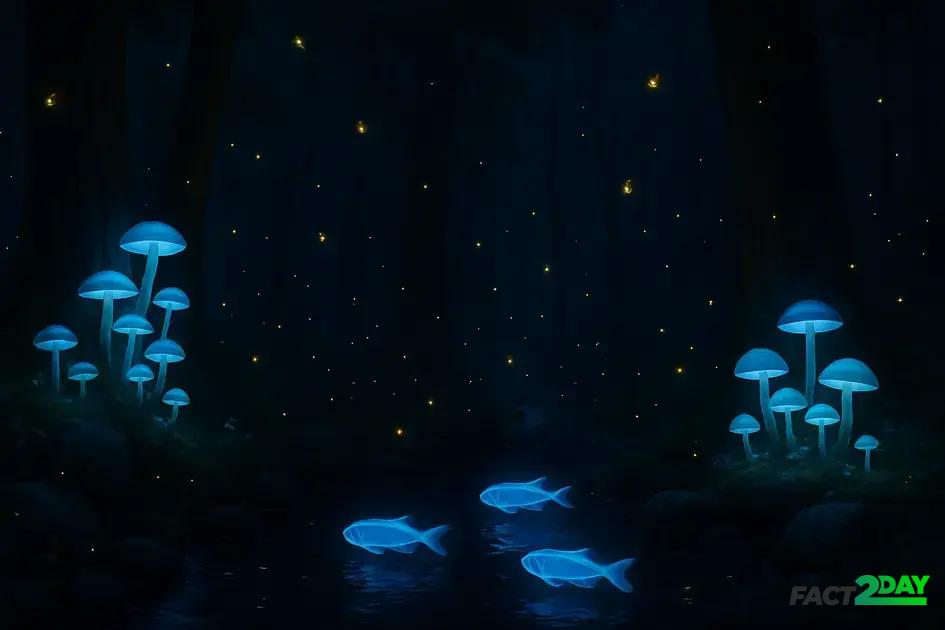
Science of bioluminescence is a natural chemical process where organisms like animals and fungi produce light through luciferase and luciferin reactions, used for communication, predation, and environmental adaptation.
Have you ever stopped to admire the magical light that appears in some nocturnal creatures? The science of bioluminescence unravels this fascinating phenomenon, showing how animals and fungi create their own light and what this means for our understanding of nature.
How bioluminescence works in nature
Bioluminescence is the natural ability of some organisms to produce and emit light through a chemical reaction. This reaction commonly occurs in marine animals like jellyfish, certain fish, and bacteria, as well as some fungi found in forests. The light is produced when an enzyme called luciferase acts on a molecule named luciferin, using oxygen to create energy in the form of visible light.
This process is highly efficient, producing almost no heat, which is why it’s often called ‘cold light.’ Different species can emit different colors, typically blue or green, which travel farthest in water. Some fireflies, for example, use yellow or green light to communicate during mating.
Bioluminescence serves many purposes in nature. It helps animals find mates, lure prey, scare away predators, and even communicate. Deep-sea creatures use this glow to navigate the dark void, while fungi may use their glow to attract insects that help spread their spores.
Because science of bioluminescence varies widely across species and habitats, it remains a fascinating subject for scientists studying evolution, ecology, and even medical applications. Understanding how this natural light is created gives us insight into life’s adaptability and creativity in the darkest places on Earth.
Main science of bioluminescence animals and fungi and their mysteries
Many animals and fungi display bioluminescence, each with unique characteristics and purposes. Among the most famous are fireflies, which use light to attract mates. Their flashing patterns vary by species and are an essential communication tool during mating seasons.
Deep-sea creatures such as anglerfish and lanternfish use bioluminescence in darker ocean layers. The anglerfish has a glowing lure on its head to attract prey, which is crucial for survival in the pitch-black depths.
Bioluminescent fungi, often called “foxfire,” emit a soft greenish glow in forests. Their light is thought to attract insects that help disperse their spores, aiding reproduction. These fungi thrive on decaying wood, playing an essential role in forest ecosystems.
Other examples include bacteria like Vibrio fischeri, which live symbiotically inside marine animals, providing light that helps camouflage or attract prey. The varying colors, rhythms, and intensities of these natural lights contribute to the wonders and mysteries of life in dark places.
Practical applications and research involving science of bioluminescence
Bioluminescence has inspired many practical applications and active research across different fields. In medicine, scientists use bioluminescent markers to track cells and monitor diseases like cancer. These markers light up specific cells, helping doctors observe how treatments work without invasive procedures.
Environmental monitoring also benefits from bioluminescence. Researchers deploy bioluminescent bacteria that glow in response to pollutants, providing a simple and effective way to detect harmful chemicals in water and soil.
Science of bioluminescence is explored in biotechnology for developing sustainable lighting. Instead of relying on electrical energy, bioluminescent organisms or their proteins might serve as natural light sources, potentially reducing energy consumption.
Additionally, ongoing research studies how bioluminescence can be used in food safety, such as detecting contamination, and in marine biology to better understand ocean life. This exciting field combines biology, chemistry, and technology to unlock new possibilities using the natural glow of living organisms.
Exploring the power of science of bioluminescence
Bioluminescence is more than just a natural wonder; it offers valuable insights and practical uses in science and technology. From medicine to environmental care, this natural light is opening new paths for innovation.
Understanding bioluminescence helps us appreciate the complexity of life and inspires creative solutions for real-world problems. As research continues, the glowing secrets of animals and fungi may lead to exciting discoveries that benefit society and the environment.
Embracing the study of bioluminescence invites us to see nature in a new light—one that’s alive, functional, and full of possibilities.