Do Animals Dream? Unveiling the Mysterious World of Animal Cognition During Sleep
Explore the Science of Animal Dreams and discover how animals reflect cognition and consciousness through their sleep patterns.
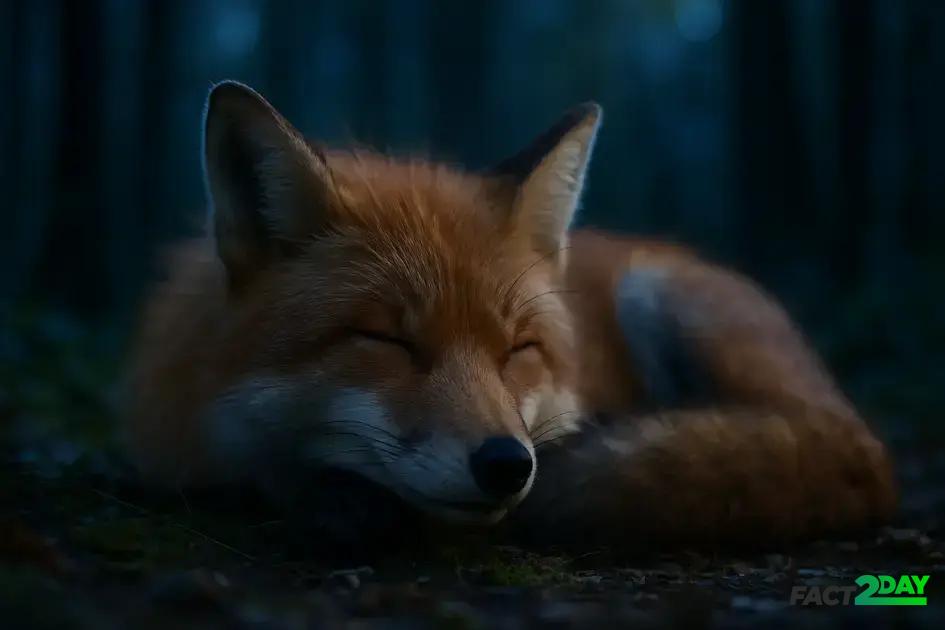
The science of animal dreams studies how animals experience sleep phases, brain activity, and behaviors suggesting they dream, revealing insights into animal cognition, memory consolidation, and the impact of dreaming on survival and behavior.
Have you ever wondered about the Science of Animal Dreams? Do animals experience something like our dreams, filled with colors and stories? Let’s wander through what sleep and cognition might look like for creatures sharing our world.
understanding animal sleep cycles
Animals experience various sleep cycles that can differ greatly from humans. Many mammals and birds go through phases similar to human REM (rapid eye movement) sleep, which is believed to be associated with dreaming. During this phase, the brain is highly active, and the body experiences temporary paralysis to prevent acting out dreams.
Other animals, like reptiles or fish, show less understood sleep patterns, but studies suggest they do enter resting states that support brain function and recovery. Understanding animal sleep cycles helps scientists learn how rest impacts memory, learning, and survival behaviors.
For example, dolphins and some whales engage in unihemispheric sleep, where one half of the brain sleeps while the other stays awake to maintain breathing and watch for predators. This fascinating adaptation highlights the diversity of sleep strategies in the animal kingdom.
Sleep cycles can also vary in length and frequency depending on an animal’s habitat, lifestyle, and activity levels. Predators tend to sleep more deeply and longer, while prey animals may have lighter and more fragmented sleep to stay alert.
Why study animal sleep cycles?
By examining these cycles, researchers better understand how animals process information, store memories, and possibly experience dreams. It also sheds light on the evolutionary role of sleep across species, offering insights into brain functions and overall health.
signs that animals might dream
Scientists look for specific signs that animals might dream during sleep. One key indicator is the presence of rapid eye movement (REM) sleep, which is commonly linked to dreaming in humans. Many mammals and birds display REM phases, where their eyes move quickly beneath closed lids.
During REM sleep, animals often show muscle twitches, limb movements, or vocalizations. These behaviors are similar to how humans act in dreams and suggest animals might be experiencing vivid mental images or scenarios.
Brain activity during REM also spikes, resembling waking states, which supports the theory that animals process thoughts and memories while asleep. For example, sleeping dogs often twitch paws or make soft noises, possibly reenacting chase scenes or other daily events.
Additionally, some research has observed replaying of learned tasks or behaviors in animals during sleep, indicating that dreams might help consolidate memories. Rats running maze patterns in their sleep sessions hint at this mental replay.
How do these signs impact our understanding?
Recognizing these signs helps scientists connect animal cognition with sleep phases, deepening our grasp of their consciousness. It opens the door to appreciating the complexity of animal minds and their inner worlds during rest.
brain activity of animals during sleep
During sleep, animals’ brains show distinctive activity patterns that suggest complex mental processing. In particular, REM sleep is marked by increased brain waves similar to when animals are awake, indicating heightened neural activity. This phase is important for memory and learning consolidation.
Scientists use electroencephalograms (EEGs) to monitor brain waves in animals and observe how different sleep stages affect brain activity. For example, rodents exhibit bursts of brain activity during REM sleep that resemble awake behavior, suggesting internal processing of experiences.
Some animals also display slow-wave sleep, characterized by slow, high-amplitude brain waves that aid in physical and mental restoration. Both REM and slow-wave sleep cycles play crucial roles in maintaining brain health and function.
How brain activity relates to animal cognition
The patterns of brain activity during sleep provide clues about animal cognition and the possible presence of dreams. These neural dynamics help process memories, solve problems encountered during the day, and prepare the brain for future tasks.
Understanding brain activity during sleep offers important insights into how animals think, learn, and perhaps dream, revealing the depth of their inner lives beyond wakeful behavior.
comparison between human and animal dreams
Comparing human and animal dreams reveals fascinating similarities and differences. Both humans and many animals experience REM sleep, a phase strongly linked to dreaming, showing similar brain wave patterns. This suggests that animals may have dreams with some resemblance to human experiences.
Humans often report vivid, narrative-like dreams filled with emotions and complex stories. While animals can’t describe their dreams, observable behaviors such as twitching, vocalizing, or rapid eye movement hint at immersive dream states.
Animals like dogs and cats exhibit physical signs during REM sleep that may indicate they are reliving daily activities or instincts. In contrast, human dreams can incorporate abstract thoughts, memories, and future scenarios.
However, the content and complexity of dreams likely differ due to variations in brain structure and cognition. Human dreams may be richer in symbolism and self-awareness, whereas animal dreams may focus on basic survival and learned behaviors.
What this comparison tells us
Studying these similarities and differences helps scientists understand cognitive evolution and the role of dreams in processing information. It also opens questions about consciousness and emotional experience across species, making the science of animal dreams a deep and intriguing field.
the role of memory consolidation
Memory consolidation is a crucial process that occurs during sleep, helping animals retain and organize information learned while awake. During specific sleep phases, especially REM and slow-wave sleep, the brain replays and strengthens important memories.
In animals, this process supports learning essential skills such as finding food, avoiding predators, and navigating environments. For example, studies with rats show that their brains replay maze routes during sleep, reinforcing spatial memory.
Memory consolidation also aids in emotional regulation, helping animals respond appropriately to past experiences. This strengthening of memories during sleep suggests that dreaming may play a part in how animals process what they encountered during the day.
Why memory consolidation matters
Without effective memory consolidation, animals would struggle to adapt and survive. Sleep provides the brain with a chance to organize information, discard irrelevant details, and create lasting memories that guide future behavior.
Understanding this role deepens our knowledge of animal cognition and highlights the importance of sleep for healthy brain function across species.
how dreams affect animal behavior
Dreams likely play a role in shaping animal behavior by helping animals process experiences and emotions. During sleep, especially in REM phases, animals may rehearse important behaviors or confront stressors, which can influence how they act when awake.
For example, a predator might dream about hunting scenarios, refining skills or strategies needed for survival. Similarly, prey animals might dream about escape tactics to better react to threats.
Behavioral studies show that animals with disrupted sleep patterns often display increased anxiety, reduced learning ability, and impaired decision-making. This suggests that the content of dreams could affect mood and daily actions.
Dreams impacting social interactions
In social species, dreaming might help animals remember relationships and social cues. Processing these complex interactions during sleep could improve bonding, communication, and cooperation.
Through dreams, animals might also solve problems encountered during their waking hours, aiding in survival and adaptation in changing environments.
current research and future explorations
Current research in the science of animal dreams explores brain activity during sleep using advanced imaging techniques and behavioral studies. Scientists are beginning to decode the neural patterns that underlie sleep phases and possible dreaming in various species, from mammals to birds.
Studies using electrodes and MRI scans reveal how memory consolidation and emotional processing occur during sleep, indicating animals may experience complex mental states similar to humans.
Emerging technologies driving discoveries
New tools like machine learning and neural decoding are helping researchers interpret animal brain signals more precisely. These advancements open doors to understanding how different species experience sleep and cognition.
Future explorations aim to map dream content and assess its impact on animal welfare, cognition, and behavior. This research could revolutionize how we care for animals and deepen our grasp of consciousness across species.
By bridging gaps between neuroscience, psychology, and ethology, scientists hope to unlock the mysteries of animal minds during rest and dreaming states, providing insights into the evolution of cognition.
Understanding the fascinating world of animal dreams
The science of animal dreams reveals much about how animals rest, learn, and process their experiences. From sleep cycles to brain activity, animals show signs of dreaming that deepen our appreciation for their inner lives.
Research continues to uncover how dreams might shape behavior and memory, helping animals survive and adapt. As technology advances, future studies will bring even greater insights into animal cognition and consciousness during sleep.
By exploring this mysterious world, we not only learn about animals but also about the evolution of the mind itself.