Scarlet Beans: The Rare Superfood with Ancient Roots
Scarlet beans offer a rare glimpse into an ancient superfood, packed with nutrients and surprising benefits for modern diets.
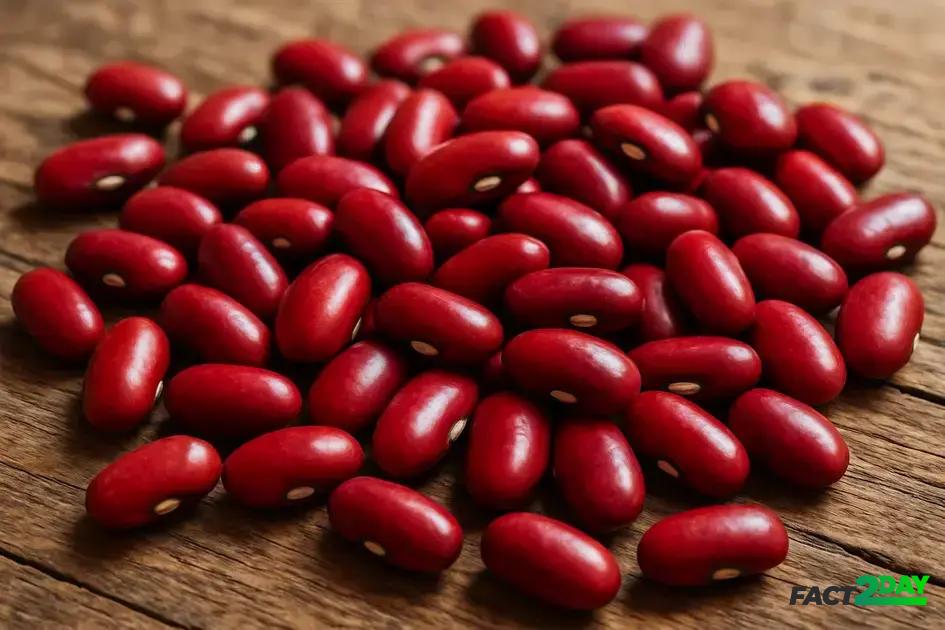
Scarlet beans are a rare, nutrient-rich superfood with ancient roots, offering high protein, fiber, antioxidants, and sustainable farming benefits, making them a valuable addition to healthy diets and traditional medicine.
Have you ever heard of scarlet beans? These rare legumes carry stories from ancient times and hold nutritional secrets worth exploring. Let’s wander through their history and discover why they might deserve a place in your kitchen.
what are scarlet beans and their origin
Scarlet beans are a vibrant red legume known for their rich color and dense nutritional profile. Also called red runner beans, they have a long history rooted in ancient civilizations, particularly in Central and South America. These beans were cultivated by indigenous peoples thousands of years ago and have been valued as a food source for their versatility and health benefits.
The plant producing scarlet beans is a climbing vine, thriving in warm climates with plenty of sunlight. Traditionally, these beans were an essential part of the diet and culture of many native communities, often grown alongside corn and squash as part of the ‘Three Sisters’ agricultural method.
Today, scarlet beans remain relatively rare in many parts of the world, making them a unique addition to modern diets. Their striking red hue is a symbol of their rich antioxidant content, which contributes to various health benefits. Understanding their origins helps appreciate not only their nutritional value but also their cultural significance.
Historical cultivation and cultural importance
Scarlet beans were more than food; they played a role in rituals and traditions. Their legacy continues as farmers and gardeners look to ancient crops to diversify and strengthen sustainable agriculture.
nutritional benefits of scarlet beans
Scarlet beans are packed with essential nutrients that contribute to a healthy diet. They are an excellent source of plant-based protein, making them a great option for vegetarians and vegans. Additionally, these beans provide a good amount of dietary fiber, which supports digestive health and helps maintain steady blood sugar levels.
Rich in vitamins such as B-complex vitamins, scarlet beans help with energy production and brain function. They also offer essential minerals like iron, magnesium, and potassium. Iron is vital for oxygen transport in the blood, while magnesium supports muscle and nerve function. Potassium helps regulate blood pressure and fluid balance.
Antioxidants and other benefits
The deep red color of scarlet beans indicates a high level of antioxidants, including flavonoids and polyphenols. These compounds protect the body from oxidative stress and inflammation. Including scarlet beans in your diet may help reduce the risk of chronic diseases like heart disease and type 2 diabetes.
Because of their low fat content and rich nutrient profile, scarlet beans provide a healthy and filling food choice that can aid weight management and overall wellness.
how scarlet beans support digestive health
Scarlet beans are rich in dietary fiber, which plays a crucial role in maintaining a healthy digestive system. Fiber adds bulk to the stool, making it easier to pass and reducing the chances of constipation. This helps keep your digestive tract functioning smoothly and efficiently.
Besides improving bowel regularity, the fiber in scarlet beans also acts as a prebiotic. It feeds the good bacteria in your gut, promoting a balanced microbiome. A healthy gut flora supports immune function and can reduce inflammation in the digestive system.
Additional digestive benefits
The complex carbohydrates in scarlet beans are slowly digested, which helps regulate blood sugar levels and prevents sudden spikes. This gentle digestion process eases the workload on your digestive organs.
Moreover, scarlet beans contain important nutrients like magnesium that aid muscle relaxation in the digestive tract, preventing cramping and discomfort.
scarlet beans in traditional medicine
Scarlet beans have been used in traditional medicine for centuries, especially in indigenous cultures of Central and South America. These beans were valued not only as food but also for their healing properties. They were often included in remedies to boost energy, aid digestion, and support overall wellness.
In traditional practices, scarlet beans were considered a natural source of strength. Many believed that their rich nutrient content helped promote vitality and endurance. Herbalists used scarlet beans to prepare tonics that aimed to improve blood circulation and reduce fatigue.
Role in holistic healing
Scarlet beans were also used in mixtures to soothe digestive issues and inflammation. Their high fiber and antioxidant properties were appreciated long before modern science understood these benefits. Some cultures attributed spiritual significance to scarlet beans, using them in rituals to promote healing and protection.
While modern research is still exploring these traditional uses, scarlet beans remain a symbol of natural health and nourishment in many communities.
ways to cook and enjoy scarlet beans
Scarlet beans can be enjoyed in many delicious ways thanks to their rich flavor and firm texture. Before cooking, it’s important to soak the beans overnight to reduce cooking time and improve digestibility. Once softened, they become a versatile ingredient in a variety of dishes.
You can boil scarlet beans and use them as a hearty addition to salads or grain bowls. They also work well in soups and stews, where they absorb flavors beautifully and add protein and fiber. Try them in chili recipes for a vibrant twist on a classic comfort food.
Creative cooking ideas
For a simple side dish, cook scarlet beans with garlic, onions, and herbs like thyme or rosemary. They can also be mashed and seasoned to make spreads or bean dips. In some cultures, scarlet beans are used to make patties or fritters, offering a tasty and nutritious snack.
Experimenting with scarlet beans opens up new culinary possibilities while boosting your meals with nutrients.
scarlet beans and sustainable agriculture
Scarlet beans contribute positively to sustainable agriculture through their ability to enrich soil quality. Like other legumes, scarlet beans fix nitrogen in the soil, reducing the need for chemical fertilizers. This natural process helps maintain soil fertility and supports healthier crop rotations.
They are also resilient plants that grow well in various climates with minimal water requirements. This drought tolerance makes scarlet beans an eco-friendly choice for farmers working in regions prone to dry conditions.
Benefits for farmers and ecosystems
Growing scarlet beans promotes biodiversity by attracting beneficial insects and supporting local ecosystems. Their cultivation can help prevent soil erosion due to their climbing vine structure, which covers the ground during growth.
By choosing scarlet beans, farmers can reduce their environmental footprint while producing a nutritious, high-value crop that markets well with health-conscious consumers.
potential health risks and allergies
Scarlet beans, like other legumes, are generally safe for most people but may cause health risks or allergic reactions in some cases. Individuals with legume allergies should avoid scarlet beans as they might trigger symptoms like hives, itching, or swelling.
Raw or undercooked scarlet beans contain compounds called lectins, which can be toxic and lead to digestive issues such as nausea, vomiting, or diarrhea. Proper soaking and thorough cooking significantly reduce these risks by breaking down lectins.
Precautions and considerations
People with sensitive digestive systems may experience gas or bloating when first adding scarlet beans to their diet due to the high fiber content. To minimize discomfort, introduce the beans gradually and drink plenty of water.
Consult a healthcare professional if you have known allergies or medical conditions before incorporating scarlet beans into your diet, especially if you experience unusual symptoms after consumption.
scarlet beans compared to other superfoods
Scarlet beans stand out among superfoods due to their unique nutritional profile and health benefits. Compared to popular superfoods like quinoa, chia seeds, or kale, scarlet beans offer a substantial amount of plant-based protein and fiber, making them excellent for muscle repair and digestive health.
While many superfoods are praised for specific antioxidants or vitamins, scarlet beans provide a balanced mix of carbohydrates, protein, fiber, and essential minerals like iron and magnesium. This makes them a versatile addition to a healthy diet.
Comparing scarlet beans with other nutrient-dense foods
Unlike some superfoods that can be expensive or hard to find, scarlet beans are relatively affordable and easy to grow, contributing to their sustainability and accessibility. Their rich antioxidant content rivals that of berries and green leafy vegetables, providing protection against oxidative stress.
In summary, scarlet beans offer a strong combination of nutrition, affordability, and versatility that compares favorably to other well-known superfoods.
where to find and buy scarlet beans
Scarlet beans can be found in specialty grocery stores, health food markets, and some farmers’ markets, particularly those that focus on organic or heirloom products. They are not as common as other beans but are gaining popularity due to their nutritional benefits and unique flavor.
Online retailers and specialty food websites offer a convenient way to buy scarlet beans. Many sellers provide dried beans or seeds for planting, allowing you to grow your own if you have a garden space. When purchasing, look for high-quality, organic-certified beans to ensure freshness and avoid pesticides.
Tips for sourcing scarlet beans
Connecting with local farmers through community-supported agriculture (CSA) programs can be a great way to access fresh scarlet beans during their growing season. Some seed banks and heirloom seed suppliers also carry scarlet bean varieties if you want to cultivate them yourself.
Always check packaging details and reviews when buying online to confirm authenticity and quality. Exploring local ethnic markets might also reveal scarlet beans, as they are traditional in certain regional cuisines.
scarlet beans recipes to try at home
Scarlet beans are a versatile ingredient perfect for a variety of recipes at home. Start by soaking and boiling them until tender, which makes them ideal for hearty soups and stews. Their rich color and texture shine in classic chili recipes where they add a nutritious punch.
For a lighter dish, add cooked scarlet beans to salads along with fresh vegetables and a zesty vinaigrette. They also make delicious bean burgers or patties when mashed and seasoned with herbs and spices.
Easy scarlet bean recipes to try
Try making a scarlet bean curry by simmering the beans in a tomato-based sauce with garlic, ginger, and your favorite spices. Another option is a bean dip with mashed scarlet beans, olive oil, lemon juice, and garlic, perfect as a healthy snack.
Experimenting with scarlet beans in various dishes not only enhances your meals but also boosts nutrition effortlessly.
Embracing scarlet beans in your diet
Scarlet beans offer a unique blend of nutrition, flavor, and history that can enrich your meals and support health. From their rich protein and fiber content to their role in sustainable farming, these beans are more than just food—they are a connection to ancient traditions and natural wellness.
Whether you try them in soups, salads, or innovative recipes, scarlet beans provide a tasty and nourishing way to diversify your diet. With careful preparation, they are safe and enjoyable for most people.
Exploring scarlet beans can open new culinary doors and contribute to a healthier lifestyle, making them a rare superfood worth discovering.