Crowned Curiosities: The Weirdest Habits and Obsessions of Royalty
Royal eccentricities reveal fascinating habits and obsessions that shaped history, blending the strange with fascinating traditions of royalty.
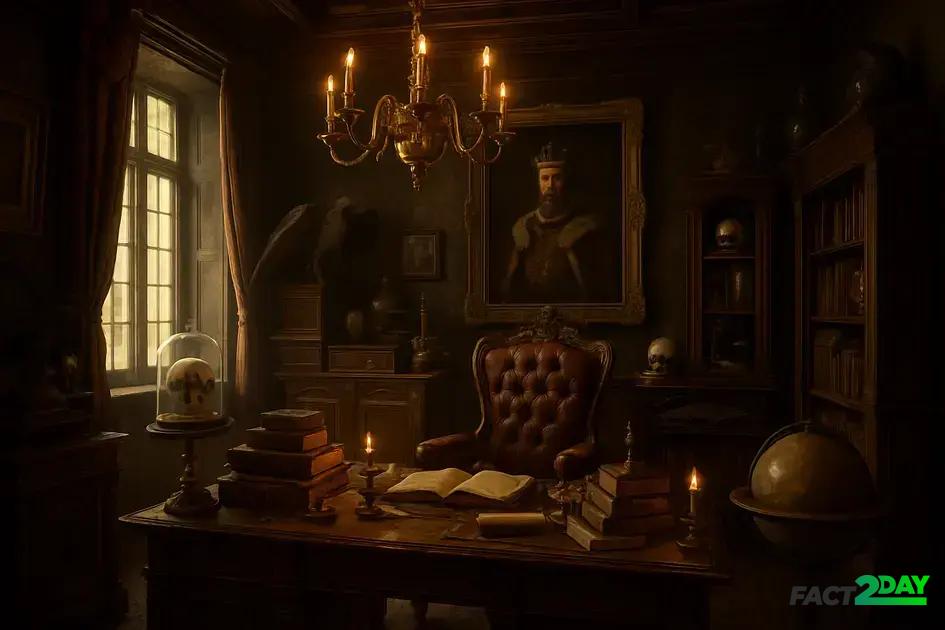
Royal eccentricities refer to the unusual habits, rituals, and quirks of monarchs that shaped history, influenced culture, and revealed the unique personalities behind royal crowns.
Have you ever wondered about the strange and captivating world of Royal eccentricities? Some habits and obsessions of royalty are so peculiar they almost feel like stories from another realm. Shall we explore their curious lives together?
unusual royal rituals throughout history
Throughout history, royal families have practiced unusual rituals that often seem strange or mysterious to outsiders. These ceremonies were more than mere traditions; they were meant to strengthen the monarchy’s power and connect rulers with divine authority. For example, the British monarch’s coronation involves the ancient ritual of anointing with holy oil, symbolizing a sacred duty to their people.
Unique Royal Ceremonies
Many royal rituals include symbolic acts like the crowning of a monarch with a jewel-encrusted crown, elaborate processions, and special clothing. In Japan, the enthronement ceremony includes a secret ritual where the emperor receives sacred regalia representing the country’s spiritual heritage.
Strange Practices and Beliefs
Some rituals may seem odd, such as the medieval French kings receiving a symbolic slap on the face by the Archbishop to test their bravery or the Russian tsars performing a ceremonial boat ride to display their power over nature and people.
Although these rituals might appear peculiar today, they played key roles in maintaining loyalty and respect towards the royal family. They also gave common people a chance to witness their rulers’ supposed connection to higher powers, reinforcing the idea that monarchy was divinely ordained.
famous eccentric monarchs and their quirks
Many famous monarchs are remembered not only for their rule but also for their eccentric quirks that set them apart from typical leaders. For example, King Charles VI of France believed he was made of glass and took extreme care not to break himself, showing how mental illness influenced royal behavior.
Odd Habits of Historical Monarchs
Queen Elizabeth I of England was known for her extravagant fashion and strict routines. She carried scented gloves everywhere and only drank water that was distilled or from certain sources, fearing poisoning. Another eccentric, Emperor Caligula of Rome, reportedly appointed his horse as a senator to mock the senate’s authority.
Unusual Obsessions and Hobbies
King Ludwig II of Bavaria had a passion for fairy-tale castles like Neuschwanstein and isolated himself in extravagant palaces to escape reality. Meanwhile, King George III of England obsessively collected rare plants and was deeply interested in agriculture, reflecting a softer side amidst political turmoil.
These quirks humanize monarchs, reminding us that behind the crowns were individuals with unique personalities and sometimes bizarre behaviors.
how royal habits influenced culture and society
Royal habits have long shaped culture and society, influencing everything from fashion to social norms. Monarchs often set trends that trickled down through all social classes, changing the way people dressed, behaved, and celebrated.
Fashion and Etiquette
From elaborate court dress codes to formal etiquette, royal customs defined what was considered stylish and proper. For instance, the French court under Louis XIV popularized extravagant clothing and elaborate hairstyles, which became symbols of status across Europe.
Arts and Festivals
Many royal habits gave rise to cultural events like balls, masquerades, and theatrical performances. Royals were patrons of the arts, funding painters, composers, and architects. These traditions helped spread artistic styles and created shared cultural experiences that united people.
Beyond aesthetics, royal behaviors also influenced governance and societal expectations. Rituals and protocols reinforced authority, while philanthropic habits inspired nobles and citizens alike to support social causes. In this way, royal eccentricities often left a lasting impact on the cultural and social fabric of their nations.
Understanding the impact of royal eccentricities
The strange habits and unique rituals of royalty have shaped how we view history, culture, and society. These eccentricities reveal much about the personalities behind the crowns and the times they lived in.
By exploring royal rituals, odd monarch behaviors, and their influence on culture, we gain insight into how traditions and quirks helped build societies and continue to fascinate us today.
Royal eccentricities are more than curiosities; they offer a window into human nature and the complex world of power and tradition.