Why Roman Concrete Is Still Standing: Secrets of Ancient Durability
Roman concrete longevity reveals ancient secrets behind its unmatched durability and why so many structures still stand strong today.
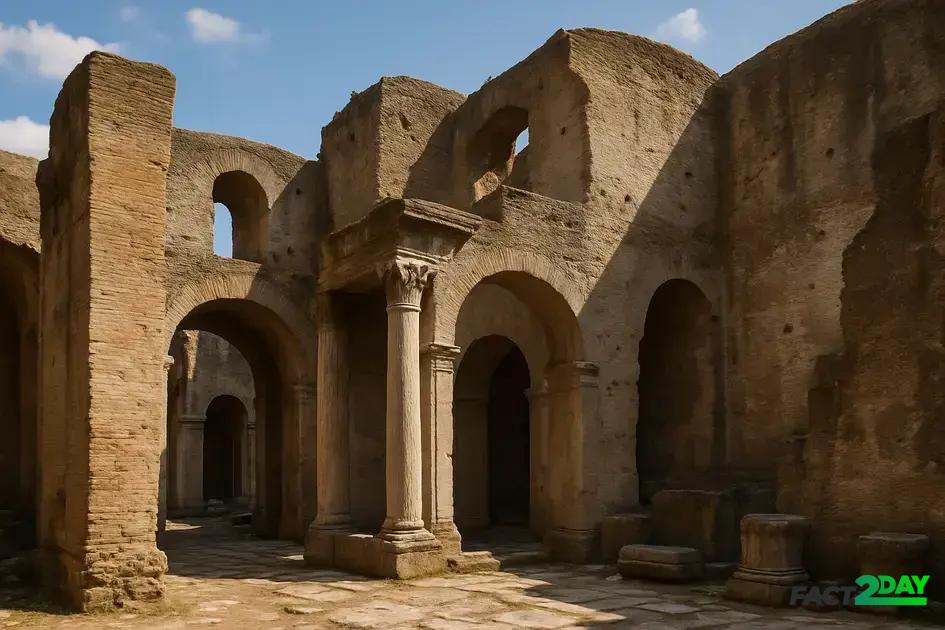
Roman concrete longevity results from its unique mix of volcanic ash, lime, and seawater, which triggers chemical reactions that strengthen the material over time, making ancient structures remarkably durable compared to modern concrete.
Roman concrete longevity fascinates many, given that some structures have stood for millennia. Ever wondered how these ancient mix recipes created such lasting marvels? Let’s explore the secrets behind this remarkable durability.
history of roman concrete and its discovery
Roman concrete, also known as opus caementicium, dates back over 2,000 years and was a crucial material for the Roman Empire’s architecture. The Romans discovered its unique properties through experimentation, combining volcanic ash, lime, and seawater. Unlike modern concrete, which can deteriorate in decades, many Roman structures have lasted millennia. The famed Pantheon and aqueducts showcase this ancient innovation.
The discovery and evolution
The Roman mastery of concrete began around the 3rd century BCE. They realized that mixing volcanic ash from regions like Pozzuoli with lime created a strong, durable bond, especially when exposed to water. This discovery allowed them to build underwater structures and massive monuments.
Significance of Roman concrete
This concrete revolutionized construction methods, shifting from heavy stone blocks to lighter, complex forms. Its longevity comes from a chemical reaction that strengthens over time, forming rare minerals that prevent cracking.
Roman concrete’s discovery paved the way for remarkable engineering feats, many of which still inspire architects and engineers today.
unique materials used in roman concrete
Roman concrete’s strength and longevity come from its unique materials. The primary components included volcanic ash (called pozzolana), lime (calcium oxide), and aggregates like small stones or fragments of brick. This special volcanic ash was sourced near active volcanoes in Italy, giving the concrete its remarkable durability.
The role of pozzolana
Pozzolana reacts with lime and water to create a chemical bond that strengthens over time. This reaction is different from modern Portland cement, as the volcanic ash helps prevent cracks from spreading.
Additional materials and aggregates
Roman builders often incorporated pieces of rock, ceramic tiles, or recycled rubble into the mix. These aggregates helped reduce weight while maintaining strength. In some marine structures, they used seawater instead of fresh water, which surprisingly enhanced the concrete’s resilience.
The combination of these materials allowed Roman concrete to endure harsh conditions and last for centuries, unlike many modern concretes that degrade within decades.
chemical processes behind roman concrete durability
The chemical processes behind Roman concrete’s durability are what set it apart from modern concrete. When volcanic ash, lime, and water combine, they trigger a unique reaction forming a rare mineral called tobermorite. This mineral grows as the concrete ages, filling cracks and making the structure stronger over time.
Role of pozzolanic reaction
The pozzolanic reaction happens when the volcanic ash reacts with calcium hydroxide in lime and water, producing compounds that boost the concrete’s strength. This reaction also makes the concrete resistant to chemical attacks from seawater, which explains why many marine Roman structures survive today.
Continuous strengthening over time
Unlike modern concrete, which can weaken as cracks spread, Roman concrete’s minerals continue to develop for centuries. This ongoing process plugs pores and repairs minor damages automatically, contributing to its exceptional longevity.
These chemical processes underline why Roman concrete remains a marvel of ancient technology and a model for sustainable building materials today.
comparison with modern concrete
Roman concrete differs significantly from modern concrete, mainly in its composition and durability. While modern concrete typically uses Portland cement, which hardens quickly, Roman concrete relies on a mix of lime and volcanic ash. This natural blend allows Roman concrete to strengthen over time, even underwater.
Differences in composition
Modern concrete depends heavily on cement as a binder and often includes additives to control setting time. Roman concrete uses pozzolana, a volcanic ash, which reacts with lime and water to form strong mineral bonds that grow stronger with age.
Durability and lifespan
Modern concrete can degrade due to cracking and exposure to chemicals, often lasting 50-100 years. Roman concrete structures, however, have withstood over 2,000 years thanks to their unique chemical properties and resistance to environmental damage.
Environmental impact
Portland cement production emits large amounts of CO2, contributing to climate change. The ancient Roman method was more environmentally friendly by using readily available natural materials and seawater, reducing their carbon footprint.
Understanding these differences highlights why Roman concrete remains a benchmark for building materials and inspires new sustainable construction methods today.
ancient construction techniques and their impact
Ancient Romans used advanced construction techniques that played a crucial role in the longevity of their concrete structures. They carefully layered materials, allowing the concrete to set slowly and develop strength. The use of wooden forms helped shape intricate designs, while precise mixing ensured consistency in every batch.
Use of formwork and layering
Wooden molds, or formwork, were essential to hold the wet concrete in place. Romans poured the concrete in layers, allowing each to partially cure before adding the next. This method enhanced the overall strength and minimized weaknesses.
Integration with architectural elements
Roman builders embedded bricks and stones into the concrete, creating composite structures that could bear heavy loads. Vaults and arches were carefully engineered to distribute weight evenly, relying on the concrete’s bonding ability.
Waterproofing and marine applications
The Romans often built piers and underwater structures by mixing concrete with seawater and volcanic ash. This technique provided excellent waterproofing and durability, allowing structures to survive harsh marine environments for thousands of years.
These construction methods showcase the Romans’ deep understanding of materials and engineering, contributing to the unmatched durability of their concrete.
environmental factors enhancing roman concrete longevity
Environmental factors played a significant role in the longevity of Roman concrete. One key element was the use of volcanic ash, which made the concrete highly resistant to weathering and chemical damage. This ash reacted with seawater to create compounds that strengthened the concrete over time.
Marine environment advantages
Roman concrete structures built in marine environments benefited from continuous exposure to seawater. The interaction between seawater and the volcanic ash caused a process called hydrothermal curing, which enhanced the concrete’s strength and durability.
Climate and natural protection
Many Roman structures are located in Mediterranean climates, where moderate temperatures and low rainfall reduce the risk of rapid deterioration. Additionally, the concrete’s porous nature allowed it to absorb minor movements without cracking.
Geological impact
The availability of specific volcanic materials near Rome contributed to the concrete’s chemical composition. The local geology directly influenced the quality and resilience of Roman concrete, showing how nature and human skill combined.
These environmental factors worked together to help Roman concrete withstand centuries of use and harsh conditions.
archaeological discoveries revealing construction secrets
Archaeological discoveries have uncovered many secrets about Roman concrete and its construction methods. Researchers found ancient texts and preserved samples that reveal the precise ingredients and mixing processes used by Roman builders. These findings help explain the material’s incredible resilience.
Unearthing ancient formulas
Excavations near ancient Roman ports revealed concrete walls still intact after thousands of years. Chemical analysis of these samples showed the presence of volcanic ash and uncommon minerals, confirming historical records about Roman concrete recipes.
Insight from ancient writings
Writings from Roman engineers like Vitruvius provide detailed instructions on mixing lime with pozzolana. These texts also emphasize the importance of allowing concrete to cure slowly for improved strength.
Modern scientific studies
Advanced techniques such as scanning electron microscopy helped identify microscopic crystals like tobermorite. These crystals form naturally within Roman concrete and contribute significantly to its longevity.
These archaeological finds bridge ancient knowledge and modern science, guiding researchers in creating more durable, sustainable building materials today.
lessons from roman concrete for modern engineers
Modern engineers can learn valuable lessons from Roman concrete’s remarkable durability. One key insight is the use of natural materials that react chemically to strengthen over time, rather than relying solely on quick-setting compounds. This approach could improve the lifespan of today’s concrete structures.
Emphasizing sustainability
Roman concrete used local volcanic ash and lime, which required less energy to produce compared to modern Portland cement. Modern engineers are now exploring similar materials to reduce carbon emissions and environmental impact.
Designing for longevity
Roman builders carefully combined materials and construction techniques to create strong, flexible structures that resist cracking. Engineers today can adopt these principles by focusing on materials that improve structural resilience and self-healing properties.
Importance of testing and adaptation
Romans refined their concrete recipes through trial and error, adjusting mixtures based on location and purpose. Modern engineering benefits from continuous testing and adapting materials for specific environments to increase durability.
By revisiting ancient methods and combining them with modern technology, engineers can develop more sustainable and long-lasting building materials.
challenges in replicating roman concrete today
Replicating Roman concrete today presents several challenges. The first issue is sourcing authentic materials like the volcanic ash used in ancient times. Modern substitutes often lack the exact chemical properties that made Roman concrete so durable.
Material availability and quality
The specific volcanic ash from areas like Pozzuoli is rare and not always accessible worldwide. This limits large-scale reproduction of Roman concrete with the same quality.
Complex chemical reactions
The unique chemical processes that strengthen Roman concrete take years to develop. Modern concrete mixes generally cure within days, but replicating the slow, natural crystallization seen in Roman concrete remains difficult.
Technological and cost barriers
Producing Roman-style concrete requires specialized knowledge and longer curing times, increasing cost and complexity. Many modern construction projects prioritize speed and cost savings, making this method less appealing commercially.
Ongoing research aims to overcome these hurdles by studying ancient techniques and developing new materials inspired by Roman concrete’s properties.
future prospects of using roman concrete techniques
The future of using Roman concrete techniques is promising as engineers explore sustainable and durable building materials. Researchers aim to combine ancient methods with modern technology to create concrete that lasts longer and reduces environmental impact.
Advances in material science
Scientists are studying the chemical properties of Roman concrete to develop new mixtures that mimic its slow-strengthening process. These innovations could lead to concrete that heals cracks automatically and resists harsh conditions.
Environmental benefits
Roman concrete techniques use natural materials like volcanic ash, which require less energy to produce compared to modern cement. Adapting these methods could significantly lower carbon emissions in construction.
Applications in modern construction
Future buildings and marine structures could benefit from Roman-inspired concrete, offering longer lifespans and reduced maintenance costs. This is especially valuable for infrastructure exposed to water and weather.
Ongoing research and pilot projects are essential to fully realize the potential of Roman concrete techniques in building a more sustainable future.
Why Roman Concrete Still Inspires Modern Builders
Roman concrete longevity reveals the incredible wisdom of ancient builders who created materials that stand the test of time. Their unique mix of natural ingredients and thoughtful construction techniques allowed structures to last for thousands of years.
Today, scientists and engineers study these ancient methods to improve modern concrete, aiming for stronger, more sustainable building materials. By learning from the past, we can build a future with longer-lasting and eco-friendly structures.
The legacy of Roman concrete shows us that innovation and nature combined can create truly lasting results. It invites us to rethink how we build and care for our environment.