Green Elixir: The Magic of Pumpkin Seed Oil
pumpkin seed oil offers a natural boost for your health and skin, revealing benefits you've likely never experienced before.
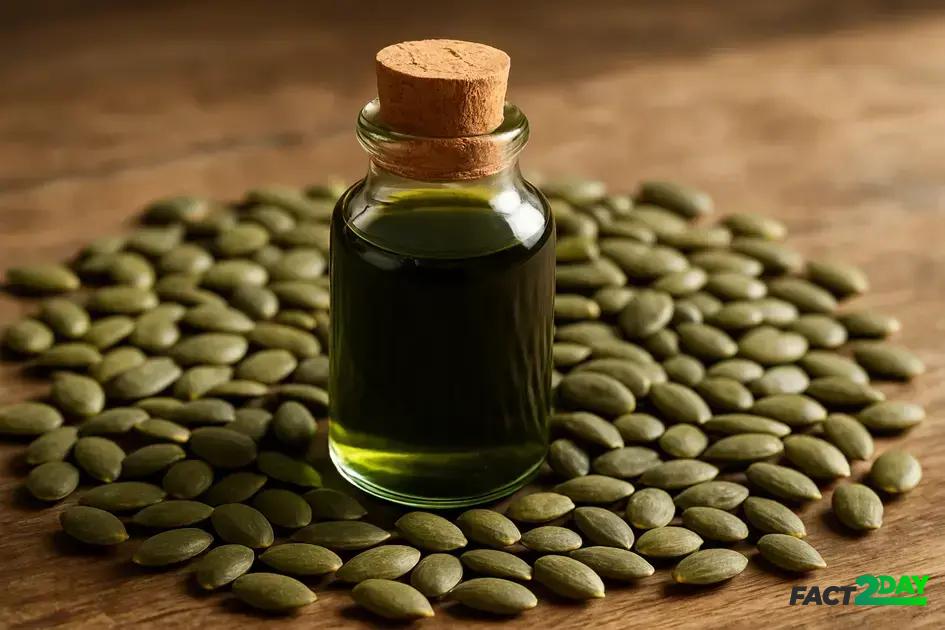
Pumpkin seed oil is a nutrient-rich oil extracted through cold pressing pumpkin seeds, valued for its heart, skin, and hair health benefits, while being sustainably produced with minimal environmental impact.
Have you ever paused to discover the subtle magic behind pumpkin seed oil? This green elixir carries not only rich nutrients but stories that connect us to ancient traditions and natural wellness. Let’s walk together through its secrets and uses.
the origin and extraction of pumpkin seed oil
Pumpkin seed oil, known for its rich green hue and nutty flavor, is derived from the roasted seeds of specific pumpkin varieties, primarily the Styrian pumpkin. The extraction process begins with carefully selecting and cleaning the seeds to ensure purity. These seeds are then roasted at controlled temperatures to unlock their distinct aroma and enhance their oil yield.
Cold pressing is the traditional and most common method used to extract pumpkin seed oil. This technique involves pressing the roasted seeds without heat, preserving the delicate nutrients and flavors naturally present. Because it doesn’t rely on chemical solvents or high heat, cold pressing helps maintain the oil’s beneficial compounds such as fatty acids, antioxidants, and vitamins.
The extracted oil is then filtered to remove any seed fragments and bottled, typically showcasing a deep green color, which indicates its high chlorophyll content. This coloration and method of extraction contribute significantly to the oil’s antioxidant properties and culinary appeal.
Modern extraction techniques might include centrifugation or slight heating to increase yield, but traditional cold-pressed pumpkin seed oil remains prized for its purity and health benefits. This oil has been used for centuries in various cultures, both in cooking and natural remedies, reflecting its valued origin and crafting method.
nutritional profile and key health benefits
Pumpkin seed oil is packed with vital nutrients that promote overall health. It contains high levels of unsaturated fatty acids, particularly omega-6 and omega-9, which support heart health by reducing bad cholesterol levels. The oil is also a rich source of antioxidants like vitamin E, which help protect cells from damage caused by free radicals.
Additionally, pumpkin seed oil provides essential minerals such as zinc, magnesium, and iron. Zinc plays a key role in immune function and wound healing, while magnesium supports nerve and muscle function. These minerals contribute to the oil’s ability to boost the body’s defenses and maintain vitality.
Key Health Benefits
Regular consumption of pumpkin seed oil has been linked to improved prostate health, particularly by reducing symptoms of benign prostatic hyperplasia (BPH). It may also support bladder function and urinary tract health due to its anti-inflammatory properties. Furthermore, the oil’s fatty acids and antioxidants aid in reducing inflammation, which can benefit conditions like arthritis.
Studies suggest pumpkin seed oil supports heart health by helping to regulate blood pressure and improve lipid profiles. Its nutritional profile also benefits skin health by moisturizing and protecting against environmental damage.
Incorporating pumpkin seed oil into your diet could be a natural way to enhance overall well-being while enjoying its unique, nutty flavor.
how pumpkin seed oil supports skin and hair vitality
Pumpkin seed oil is a powerhouse for skin and hair health, thanks to its rich content of antioxidants, essential fatty acids, and vitamins. Its high levels of zinc and vitamin E help nourish the skin, promoting a healthy glow and reducing signs of aging like fine lines and wrinkles. These nutrients also support collagen production, which improves skin elasticity and firmness.
When applied topically or ingested, pumpkin seed oil helps moisturize dry skin and soothes irritation. Its anti-inflammatory properties can calm redness and help with conditions such as eczema or psoriasis. For acne-prone skin, the oil balances sebum production without clogging pores, making it a gentle and effective option.
Benefits for Hair Health
For hair, pumpkin seed oil strengthens strands and promotes growth by nourishing the scalp with vital nutrients. The oil’s fatty acids improve scalp circulation, reducing hair thinning and breakage. Regular use can make hair shinier, softer, and less prone to damage.
Some studies suggest that pumpkin seed oil may block the effects of hormones that cause hair loss, especially in cases of androgenic alopecia. This makes it a natural alternative to conventional treatments. Whether used as a hair mask or taken as a supplement, pumpkin seed oil supports vitality from root to tip.
Incorporating pumpkin seed oil into your beauty routine can unlock natural radiance and boost both skin and hair health effectively.
incorporating pumpkin seed oil into your daily diet
Adding pumpkin seed oil to your daily diet is easy and offers many health benefits. Its rich, nutty flavor enhances salads, smoothies, and dips without overpowering other ingredients. Using it as a finishing oil rather than a cooking oil helps preserve its nutritional value, since high heat can damage its delicate fatty acids.
Try drizzling pumpkin seed oil over roasted vegetables or mixing it into yogurt for a nutrient boost. It also pairs well with grains like quinoa or rice, adding both flavor and essential nutrients. A tablespoon per day can deliver antioxidants, vitamins, and healthy fats that support heart and skin health.
Creative Ways to Use Pumpkin Seed Oil
You can incorporate pumpkin seed oil in homemade salad dressings by blending it with lemon juice, mustard, and herbs. It’s also great stirred into soups just before serving or as a topping on avocado toast. Some people add it to their morning oatmeal or drizzle it over fresh fruit for a unique taste experience.
For those who prefer supplements, pumpkin seed oil capsules are available but using the liquid oil in recipes offers added culinary enjoyment. Remember to store it in a cool, dark place to maintain freshness and potency.
Including pumpkin seed oil in your diet is a simple way to naturally enhance your nutrition while savoring delicious flavors every day.
pumpkin seed oil in traditional and modern medicine
Pumpkin seed oil has a long history in traditional medicine, valued for its healing properties across various cultures. Traditionally, it was used to address digestive issues, urinary tract problems, and inflammation. Its natural compounds made it a popular remedy for supporting prostate health and reducing symptoms of benign prostatic hyperplasia (BPH).
In modern medicine, pumpkin seed oil continues to be researched for its therapeutic benefits. Studies highlight its rich content of antioxidants, essential fatty acids, and phytosterols, which contribute to reducing inflammation and promoting cardiovascular health. Its role in improving bladder function and urinary health has also gained scientific support, especially in managing overactive bladder symptoms.
Integrative Approach
Many practitioners now use pumpkin seed oil as a complementary natural therapy alongside conventional treatments. It is often recommended as part of a holistic approach to improving skin conditions, reducing hair loss, and enhancing overall wellness. The oil’s gentle yet effective qualities make it a favored choice for those seeking natural alternatives.
Research also investigates the potential of pumpkin seed oil in metabolic health, including managing blood sugar levels and supporting liver function. While more studies are needed, its traditional uses combined with emerging scientific evidence underscore its importance.
The continued integration of pumpkin seed oil in both traditional and modern medicine exemplifies its versatility and enduring value.
sustainability and environmental impact of pumpkin seed oil production
The production of pumpkin seed oil is often praised for its sustainability and low environmental impact. Pumpkins used for oil extraction are typically grown with minimal pesticide use, benefiting from natural pest resistance. This reduces chemical runoff and soil contamination compared to other crops.
Many producers utilize the entire pumpkin, including seeds that might otherwise be discarded as waste. This efficient use of the whole fruit supports waste reduction and adds value to farming byproducts. Additionally, the seeds are often sourced from organic or small-scale farms, promoting sustainable agricultural practices.
Environmental Benefits
Cold pressing, the traditional method of extracting pumpkin seed oil, requires less energy than chemical extraction processes, lowering carbon emissions. The byproducts from oil extraction can be repurposed as animal feed or organic fertilizer, supporting circular economy principles.
Some producers emphasize local and small-batch production, reducing transportation emissions and supporting community economies. By choosing sustainably farmed pumpkins and eco-friendly production, consumers contribute to reducing the overall environmental footprint.
Overall, pumpkin seed oil production exemplifies how natural products can be cultivated and processed thoughtfully, aligning with green and ethical consumption trends.
The lasting appeal of pumpkin seed oil
Pumpkin seed oil offers a unique blend of rich nutrients, traditional uses, and modern benefits that make it a valuable addition to your lifestyle. From supporting heart health to enhancing skin and hair vitality, its versatility is remarkable.
Its sustainable production methods also align with growing environmental awareness, making it an eco-friendly choice. Whether used in cooking, skincare, or natural remedies, pumpkin seed oil continues to gain recognition for its gentle yet effective qualities.
Exploring this green elixir can open doors to natural wellness and flavorful culinary experiences, encouraging a healthier and more mindful way of living.