The Clicker Craze: Why We Can’t Stop Playing Idle Games
Discover the psychological effects of idle games and why these simple games hook us in ways we might not expect. Dive into this curious game craze.
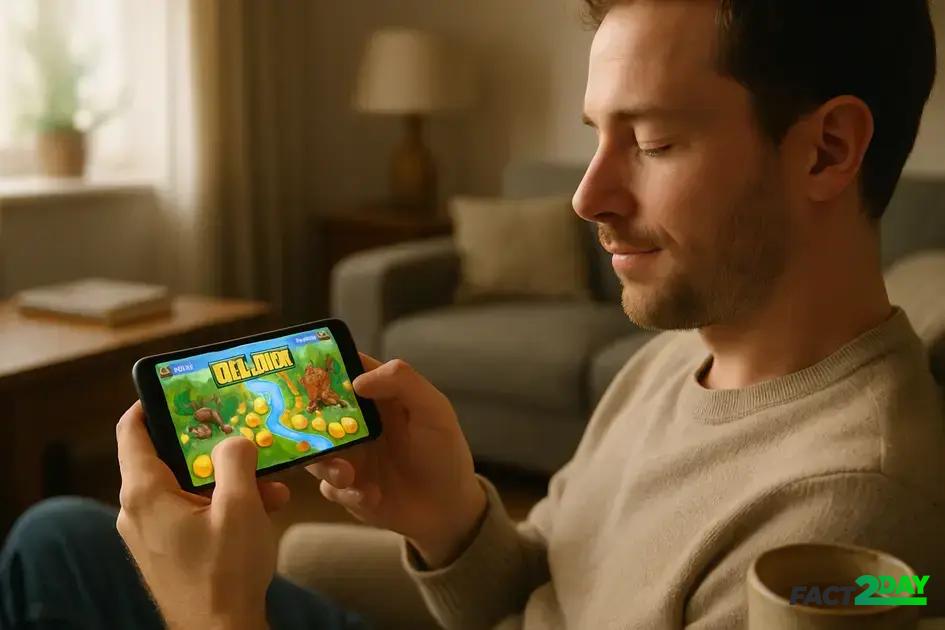
Psychological effects of idle games include constant progress feedback, variable rewards, and a balance of control that create addictive engagement while simple gameplay encourages frequent check-ins with minimal effort.
Psychological effects of idle games often fly under the radar but quietly shape our gaming habits. Ever wonder why these simple games hold us so captivated, even without intense action?
how idle games capture our attention with simplicity
Idle games are designed around simplicity, which plays a major role in capturing our attention quickly. These games often require minimal input, such as tapping or clicking, which makes them accessible to a wide range of players. The simple mechanics mean that anyone can start playing without needing tutorials or complicated rules.
Most idle games provide constant feedback through visual and auditory cues when you make progress, even if it’s just a small increment. This feedback loop creates a sense of achievement that encourages players to keep engaging, even passively.
Another key element is the gradual progress system. Players see numbers increase, resources accumulate, or characters evolve over time, which sparks curiosity and motivates them to check back frequently. The clear, straightforward goals make it easy to measure success without confusion.
This simplicity removes barriers and creates an inviting environment where players can relax while still feeling productive. The design taps into a human desire for easy wins and consistent rewards, which explains why these games can be surprisingly addictive despite their low complexity.
the subtle psychological rewards that keep players engaged
Idle games exploit psychological rewards that keep players coming back often, even when the gameplay is minimal. One of the main rewards is the feeling of constant progress. Players see immediate gains like increasing numbers, new items, or upgrades. This provides a steady sense of accomplishment, which is highly motivating.
Many idle games use a variable reward system, where some rewards are unexpected or random. This unpredictability triggers dopamine release in the brain, similar to what happens with gambling, making players excited to check in frequently.
Another subtle reward is the sense of control. Even though the game often runs on its own, players feel they are influencing outcomes through clicks or strategic decisions. This balance between automation and player input helps maintain engagement without feeling overwhelming.
Idle games also empower players by offering long-term goals visible through achievements or milestones. Watching progress that spans hours or days can create a strong attachment and eagerness to continue playing.
balancing idle gaming with real life for healthier habits
Balancing idle gaming with real life is essential for maintaining healthy habits. While these games are designed to be low effort, it’s easy to spend more time than intended, which can affect daily responsibilities and social interactions.
Setting time limits helps create boundaries that prevent excessive gaming. Using alarms or app timers reminds players to pause and focus on other activities.
Incorporating idle gaming as a reward after completing tasks can make gameplay feel more purposeful and prevent it from becoming a distraction. This approach encourages productivity and balances leisure time effectively.
Also, engaging in physical activities and socializing outside of gaming promotes better mental and physical health. Taking regular breaks and combining screen time with movement helps reduce fatigue and improves overall well-being.
Being mindful of how and when you play is the key to enjoying idle games without letting them interfere with your daily life.
Finding balance in idle gaming
Idle games offer simple fun and subtle rewards that are hard to resist. Understanding their psychological effects helps us enjoy them without losing control.
By setting limits and mixing gaming with real-life activities, players can keep their gaming habits healthy and balanced.
Remember, games are meant to be enjoyable, so making sure they fit well into your daily routine is key to long-term satisfaction.