O Futuro que Não Veio: As Mais Bárbaras e Engraçadas Profecias Históricas Que Deram Errado
Profecias históricas falhas revelam visões do futuro que nunca se realizaram. Descubra surpreendentes erros que marcaram a história e nos fazem sorrir e refletir.
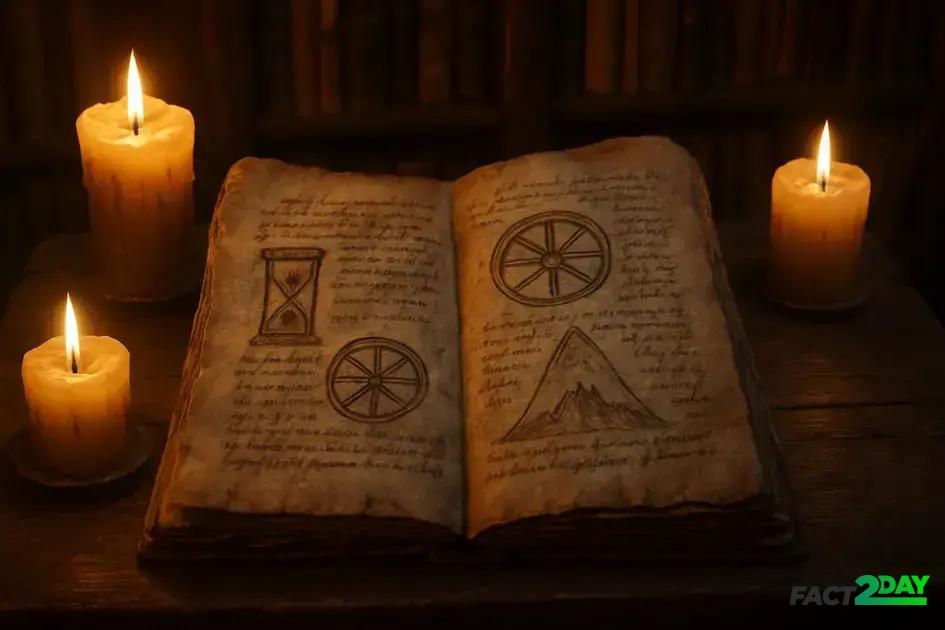
Profecias históricas falhas são previsões marcantes que não se concretizaram, revelando erros, impactos culturais e sociais, além de lições valiosas para questionar futuras previsões.
Talvez você nunca tenha notado, mas profecias históricas falhas carregam lições fascinantes sobre nossa relação com o futuro e a incerteza. Já sentiu curiosidade sobre o que deu errado nessas previsões? Venha comigo explorar essas histórias recheadas de erros, risos e aprendizados.
erro e surpresa: profecias que chocaram pelo fracasso
Throughout history, many prophecies have shocked societies due to their spectacular failures. These predictions often promised drastic changes or catastrophic events that never came to be, leaving people astonished and sometimes amused. For example, the 19th century saw numerous forecasts about the end of the world in specific years, which passed without incident, shaking the faith in prophetic claims.
Some notorious failed prophecies include the prediction that technological advancements would lead to flying cars by the 21st century, a vision that remains largely unfulfilled. Other cases, like the supposed fall of great empires at a precise date, proved entirely inaccurate, revealing how human interpretation of signs can lead to wildly incorrect expectations.
Why do these predictions fail?
Prophecies are often based on limited information, cultural beliefs, or wishful thinking. This combination can result in errors that surprise because they seem confident yet miss the mark entirely. The tension between belief and reality creates a unique space where obvious failures become memorable lessons.
In many instances, these failed prophecies have led to social unrest or ridicule, impacting people’s trust in future forecasts. Yet, they also contribute to historical understanding by showcasing how humans attempt to control or foresee their destiny, highlighting both our ambition and fallibility.
compreendendo o impacto cultural e social das profecias falhadas
Failed prophecies often leave a deep mark on societies beyond just their inaccuracy. They can shape culture and social behaviors in surprising ways. When a prophecy fails, it sometimes challenges the collective beliefs and causes people to rethink their values or question authority.
Cultural impact includes changes in art, literature, and folklore, where these mistaken predictions become stories of caution or humor. In some cultures, failed prophecies lead to the creation of festivals or rituals that mock or remember the error, strengthening community bonds through shared history.
Social consequences
On a social level, false prophecies can cause panic, disillusionment, or even disrupt daily life. People may experience anxiety waiting for events that never occur or lose trust in leaders who promoted these claims. Sometimes, this mistrust prompts social movements demanding more rational or scientific approaches to knowledge.
Yet, these experiences also teach societies about resilience and critical thinking. Over time, many communities integrate the lessons from failed prophecies to better evaluate future predictions and avoid similar mistakes, fostering a more questioning and reflective mindset.
lições práticas ao olhar para previsões que não se concretizaram
Failed predictions offer valuable lessons when we analyze them carefully. Understanding why these forecasts did not happen helps us develop critical thinking and avoid blind trust in future claims.
Evaluating evidence critically
One practical lesson is to always question the sources and evidence behind predictions. Reliable predictions should be based on data and sound reasoning instead of rumors or wishful thinking. This approach helps prevent disappointment and misinformation.
Maintaining skepticism with an open mind
It’s important to balance skepticism with openness. While many forecasts fail, some may be accurate. Learning to spot the difference requires patience and practice in recognizing patterns and evaluating credibility.
Reflecting on past mistakes also encourages humility. No one can predict the future with absolute certainty, so accepting uncertainty can improve how we plan and make decisions.
Lessons from failed prophecies
Looking back at predictions that didn’t come true helps us understand the limits of foreseeing the future. These stories remind us to be curious but cautious when evaluating any forecast.
By asking questions and learning from past mistakes, we grow smarter and more prepared. Embracing uncertainty while staying open-minded allows us to make better decisions in life.
Remember, the future is full of possibilities, and understanding failed prophecies teaches us to navigate them thoughtfully.