Stories Without End: How Procedural Generation is Revolutionizing Narrative in Games
Procedural narrative transforms how stories unfold in games, offering endless possibilities and unique experiences for every player.
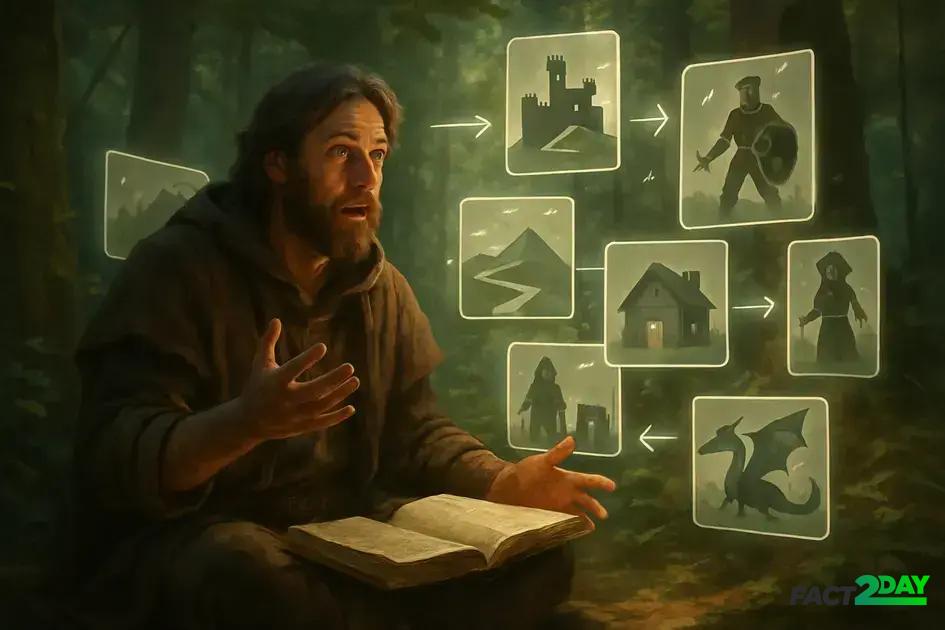
Procedural narrative uses algorithms to dynamically create game stories that adapt to player choices, offering unique, personalized experiences and expanding storytelling possibilities beyond fixed scripts.
Procedural narrative offers a fascinating way to craft stories in games that never play out the same twice. Have you ever wondered how games can create endless stories that feel personal and alive? Let’s explore this evolving art.
understanding procedural narrative in games
Procedural narrative in games refers to stories that are generated or adapted dynamically by algorithms rather than being fully scripted by writers. This approach allows games to create unique story experiences for each player, making every playthrough feel fresh and personalized.
How Procedural Narrative Works
At its core, procedural narrative uses rules, variables, and randomization to assemble plot points, character actions, and world events. For example, a game might generate quests based on player choices or create dialogue that changes depending on character relationships. This creates a flexible storytelling system that responds to player interaction.
Benefits for Players and Developers
Players enjoy endless replayability and stories that reflect their decisions, increasing engagement and immersion. Developers benefit from creating vast, varied content without writing every detail manually, which saves time and resources.
Examples of Procedural Narrative in Games
Games like “Dwarf Fortress” and “No Man’s Sky” demonstrate procedural narrative by generating entire worlds and histories dynamically. Other titles, such as “Left 4 Dead”, adapt narrative pacing and events based on player performance, providing a constantly shifting story experience.
the impact of procedural generation on storytelling
Procedural generation has greatly changed storytelling in games by enabling worlds and narratives that evolve uniquely for each player. This technology uses algorithms to create content such as characters, dialogue, and plot events dynamically, rather than relying on fixed scripts.
Dynamic storytelling
Procedural generation allows stories to adapt in real time based on player choices and actions. This creates a more immersive experience because the narrative feels personal and responsive, encouraging players to explore different paths.
Expanding game worlds
With procedural tools, developers can generate vast, detailed game worlds filled with rich lore and random events. The unpredictability keeps players engaged, as they encounter new challenges and storylines each time they play.
Challenges and limitations
While procedural generation offers exciting possibilities, it can also lead to less cohesive stories if not carefully designed. Balancing randomness with meaningful narrative structure is essential to keep players invested without feeling lost or confused.
challenges and future of procedural narrative
Although procedural narrative offers exciting possibilities, it also presents significant challenges that developers must address. One key issue is maintaining story cohesion when narratives are generated on the fly. Without careful design, stories can feel disjointed or lack emotional depth.
Technical and creative challenges
Balancing algorithmic randomness with meaningful storytelling requires advanced tools and creative oversight. Games must ensure that procedural elements align with character development and plot arcs to engage players deeply.
The future of procedural narrative
Advancements in artificial intelligence and machine learning are opening new doors for procedural storytelling. These technologies can help create richer, more believable narratives that adapt seamlessly to player choices.
Collaborations between writers and AI could lead to hybrid narratives where human creativity guides the broad story while AI fills in detailed events dynamically.
Player experience and expectations
As players become more savvy, their expectations for personalized and immersive stories grow. Developers must navigate these demands by innovating continually and refining procedural systems to deliver meaningful, unpredictable narratives.
Looking ahead: the evolving role of procedural narrative
Procedural narrative is reshaping how stories are told in games, offering fresh and unique experiences every time. While challenges remain, especially in balancing randomness with meaningful storytelling, the future looks promising.
Advances in AI and better collaboration between human writers and algorithms will create richer, more adaptive narratives that feel personal to each player. As technology evolves, so will the ways we experience and connect with game stories.
Embracing procedural narrative means welcoming innovation and endless possibilities, making games more engaging and immersive than ever before.