Endless Avatars: How AI is Creating Unique Characters in Games
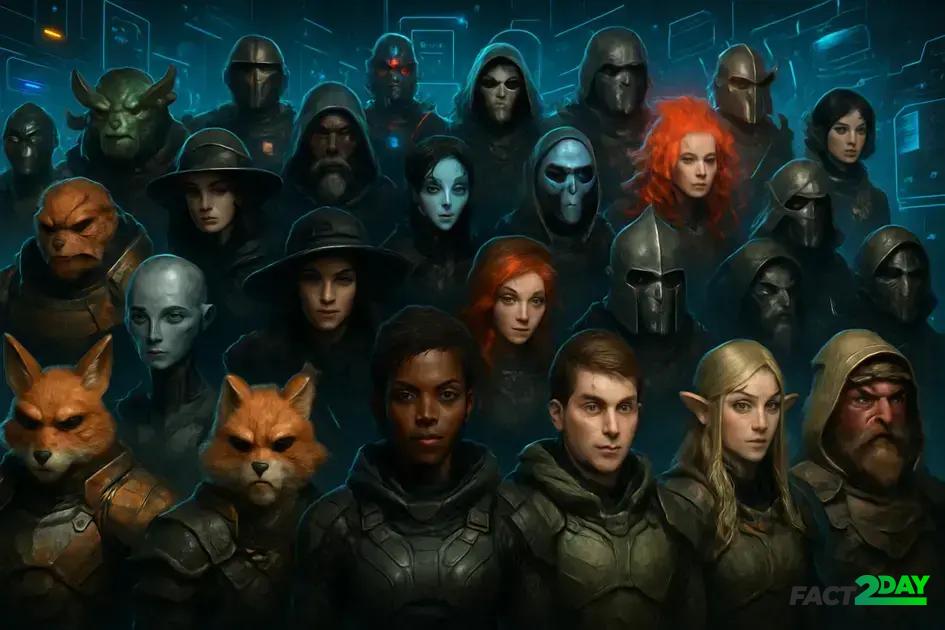
Procedural Character Generation reshapes gaming by creating infinite unique avatars, enhancing immersion and player creativity.
Exoplanets are planets orbiting stars beyond our solar system, discovered through methods like detecting light dimming when a planet crosses a star, revealing the vast, diverse, and mysterious worlds in our galaxy.
Have you ever wondered how games create nearly endless unique faces and characters? Procedural Character Generation powered by AI is revolutionizing how avatars are designed, making every gaming experience personal and fresh. Let’s dive into this fascinating world together and uncover the magic behind it.
What is procedural character generation?
Procedural character generation is a technique in game development where characters are created algorithmically rather than being manually designed. This approach uses rules and randomization to assemble unique characters, including their appearance, traits, and animations. Instead of crafting each avatar individually, procedural generation allows games to produce thousands or even millions of diverse characters automatically.
How it works
The system uses sets of predefined parameters such as body shapes, facial features, colors, clothing styles, and accessories. Algorithms then mix and match these elements to create one-of-a-kind characters. By adjusting the rules, developers can control how realistic, varied, or stylistic the characters appear.
Benefits for games
This method enhances replayability by offering players fresh experiences every time they play. Players can encounter new characters with different looks and personalities, increasing immersion. Procedural character generation also reduces the workload for artists and programmers by automating much of the creation process.
Applications beyond games
Although popular in gaming, procedural generation is also useful in fields like simulations, virtual reality, and animation, where creating vast numbers of unique characters manually would be impractical.
The role of AI in generating unique avatars
AI plays a crucial role in generating unique avatars by using machine learning and procedural algorithms to create diverse and personalized characters. Unlike traditional methods, AI can learn from vast datasets of facial features, styles, and expressions to generate avatars that feel authentic and varied.
Machine learning models
These models analyze patterns in existing character designs and then use that knowledge to create new, original avatars. AI can adjust facial structures, skin tones, hairstyles, and accessories dynamically, offering endless combinations that suit different game worlds.
Customization and personalization
AI-powered tools allow players to influence avatar generation through preferences or choices, making the process interactive. This personalized experience increases player engagement by delivering characters that resonate with individual tastes.
Speed and scalability
Generating avatars manually can be time-consuming and costly. AI accelerates this process by producing numerous unique characters quickly, which is essential for large-scale games and virtual environments.
Realism and consistency
AI ensures that generated avatars maintain visual consistency and realism within the game’s style, blending creativity with technical precision. This balance enhances immersion without breaking the game’s artistic vision.
Benefits of procedural character creation in games
Procedural character creation offers numerous benefits for game developers and players alike. It enables the generation of vast numbers of unique characters, which keeps the game world diverse and fresh. This variety enhances player immersion by providing a rich and unpredictable environment.
Increasing replayability
With countless possible avatars, players can enjoy different experiences each time they play. This boosts replay value and encourages players to explore more of the game’s content without feeling repetitive.
Saving development time and costs
Automatically generating characters significantly reduces the manual labor required from artists and designers. It lowers production costs and speeds up development cycles, making it easier for studios to release content more frequently.
Customization and personalization
Procedural systems often include player-driven customization options. This empowers users to influence character traits, creating a stronger connection between players and their avatars.
Scalability for large games
For games with vast worlds or multiple player profiles, procedural generation allows scaling character creation without exponentially increasing resources.
Enhancing storytelling
Unique characters generated procedurally can support dynamic narratives and evolving game worlds, contributing to a more engaging storytelling experience.
Challenges in procedural character generation
Procedural character generation faces several challenges that developers must navigate to produce high-quality results. One common issue is maintaining logical consistency. When characters are generated randomly, there is a risk of creating designs that clash or look unnatural, which can break player immersion.
Balancing uniqueness and believability
Generating characters that are both unique and believable requires sophisticated algorithms. Developers need to set rules that allow creativity without producing awkward or unrealistic features.
Technical complexity
Designing procedural systems demands advanced programming skills and a deep understanding of the game’s art style and narrative. Integrating AI models can add complexity and require significant computational resources.
Performance impact
Procedural generation can be resource-intensive, especially in games with large worlds or many characters on screen. Optimizing performance without sacrificing quality is a key challenge.
Player acceptance
Players may prefer handcrafted characters for their emotional depth and detail. Ensuring that procedurally generated avatars can connect with players on a personal level is essential for success.
Testing and debugging
Procedural systems can produce unexpected results, making thorough testing crucial. Debugging can be difficult due to the large variety of possible character outcomes.
Techniques used in procedural generation
Procedural generation relies on various techniques that enable games to create diverse characters efficiently. One common method is the use of algorithms that combine different visual elements like body shapes, facial features, colors, and accessories in random or rule-based ways.
Rule-based systems
These systems use predefined sets of rules to guide character creation. Developers set constraints to ensure characters look natural and fit the game world. For example, certain hairstyles may only appear with specific head shapes.
Randomization with constraints
Random values are assigned to character traits such as height, skin tone, or eye color. However, constraints prevent unrealistic combinations. This balance maintains diversity while preserving coherence.
Layering and modular design
Characters are built by stacking modular components like clothing layers, facial features, and accessories. This technique allows flexible mixing and matching, leading to countless unique avatars.
AI and machine learning
Advanced procedural systems now incorporate AI to learn and generate characters based on large datasets. AI can create more nuanced and realistic avatars by recognizing patterns and styles.
Shape blending and morphing
Techniques like blending different 3D shapes or morph targets allow smooth transitions between features, enabling subtle variations in face and body structures.
Texture synthesis
Texture generation techniques create realistic skin, clothing patterns, and details dynamically, adding depth and authenticity to characters.
How AI personalizes game characters
AI personalizes game characters by tailoring avatars to reflect individual player preferences and behaviors. Instead of static designs, AI analyzes inputs such as player choices, play styles, and interactions to generate avatars that feel unique and relevant.
Adaptive customization
AI systems can adapt character traits based on how players engage with the game. For example, if a player favors stealth gameplay, the AI might create avatars with features and gear suited for stealth roles.
Player-driven design
Many games use AI to enable dynamic customization options. Players can select preferences or answer questions, and AI uses this data to generate a character that matches their vision.
Learning from player data
AI collects and interprets player data to evolve character creation over time. This allows avatars to grow along with the player, enhancing emotional connection and immersion.
Enhanced visual variety
By combining personalization with procedural techniques, AI ensures that characters not only match player tastes but also stand out visually, maintaining diversity across the game world.
The impact on player engagement
Procedural character generation greatly enhances player engagement by offering fresh, personalized experiences every time they play. When players encounter unique avatars, it sparks curiosity and encourages exploration within the game world.
Increased immersion
Seeing diverse and unpredictable characters helps players feel like they are part of a living, breathing world. This deepens emotional connections and investment in the game’s storyline.
Encourages creativity
With endless avatar possibilities, players enjoy expressing their individuality. Customizing characters or discovering new ones boosts enjoyment and personal attachment.
Reduces monotony
Procedural generation prevents repetitive encounters that can bore players. Each session feels novel, keeping gameplay exciting and fresh.
Fosters community interaction
Unique characters often become a talking point among players, encouraging sharing, comparisons, and collaborative storytelling.
Supports player retention
By continuously offering new visual content, games maintain player interest longer, improving loyalty and replay rates.
Examples of games using procedural character generation
Many popular games leverage procedural character generation to create vast, unique player avatars and NPCs that enhance gameplay and immersion. This technology is especially common in open-world, RPG, and simulation genres.
No Man’s Sky
This space exploration game uses procedural algorithms to generate diverse alien species and characters on countless planets, ensuring players never encounter the same being twice.
Spore
Spore lets players create creatures using procedural systems, allowing for extreme variety in shapes and features, which evolve based on gameplay.
Skyrim
While Skyrim primarily relies on handcrafted characters, procedural generation helps create randomized NPCs with varied appearances, making the game world feel lively and realistic.
Fallout 4
Fallout 4 uses procedural techniques in conjunction with AI to generate a wide range of character models and facial features, giving players more customization options.
The Sims Series
The Sims games incorporate procedural generation for creating unique characters with diverse traits and appearances, supporting player creativity and immersion.
Path of Exile
This action RPG uses procedural generation for character equipment and cosmetic variations, adding richness and depth to player avatars.
Balancing uniqueness and game design
Balancing uniqueness and game design is essential when using procedural character generation. While the goal is to create diverse and original characters, developers must ensure that these designs fit the game’s style and mechanics.
Maintaining visual coherence
Characters should match the game’s art direction to avoid breaking immersion. This involves setting design boundaries so generated avatars adhere to a consistent visual language.
Functional constraints
Procedurally generated characters must also respect gameplay requirements. For example, a character’s size or equipment should not disrupt game balance or cause clipping issues.
Setting customization limits
Allowing too much freedom can lead to awkward or unrealistic combinations. Developers often implement rules that guide the AI to produce characters that are both unique and plausible within the game’s world.
Player expectations
Balancing uniqueness also means considering what players find appealing and relatable. Providing options that empower creativity without overwhelming users is key.
Iterative testing
Continuous testing helps fine-tune procedural parameters, ensuring generated characters enhance rather than detract from the overall experience.
Managing emotional connection with AI-generated characters
Creating an emotional connection with AI-generated characters is a challenge that developers are increasingly addressing to enhance player engagement and immersion. Emotionally compelling avatars help players feel invested in the game’s story and world.
Expressive design
AI can be used to generate characters with realistic facial expressions, body language, and gestures. These subtle details make avatars feel alive and relatable.
Personality and behavior
In addition to appearance, AI can define a character’s personality traits and behaviors that adapt to player interactions. This dynamic behavior fosters deeper connections as characters respond in believable ways.
Backstory generation
Procedural systems can create unique backgrounds and histories for characters, giving them depth and context within the game’s narrative.
Adaptive storytelling
AI allows narratives to evolve based on the player’s relationship with characters, making emotional bonds more meaningful and personalized.
Audio and voice integration
Integrating AI-generated voices and emotional intonations enhances character realism, allowing players to experience more authentic interactions.
Practical tips for game developers using procedural generation
Game developers using procedural generation can benefit from a few practical tips to maximize efficiency and creativity. First, clearly define the scope of procedural elements to ensure the system complements the game’s vision rather than complicates it.
Start simple and iterate
Begin with basic algorithms and gradually incorporate complexity. Iterative testing helps identify issues early and refine results effectively.
Establish clear rules
Setting constraints is essential to maintain coherence. Define boundaries for character features, sizes, and styles to prevent jarring or unrealistic outcomes.
Leverage modular design
Build character assets in modular components like heads, torsos, and accessories. This approach allows flexible recombination and richer character diversity.
Use player feedback
Gather input from users during development to understand preferences and improve customization options for better engagement.
Optimize performance
Procedural systems can be resource-heavy. Optimize algorithms and manage asset loading to maintain smooth gameplay.
Integrate AI thoughtfully
Complement procedural techniques with AI for smarter and more adaptive character generation, enhancing uniqueness and player connection.
Ethical considerations in character creation
Ethical considerations in procedural character creation are vital to ensure respectful and fair representation. Developers must be mindful of diversity and avoid reinforcing harmful stereotypes through automated character designs.
Inclusivity and representation
AI algorithms should be designed to include a wide variety of ethnicities, body types, and cultural backgrounds to reflect real-world diversity. This promotes acceptance and player connection.
Avoiding bias
Procedural systems can unintentionally perpetuate biases present in training data or rule sets. Careful auditing and testing help identify and correct these issues.
Respecting player identity
Providing customization options that allow players to create characters that resonate with their identity is important for inclusivity and positive experiences.
Privacy concerns
When AI uses player data to personalize characters, transparent data handling and privacy measures must be implemented to build trust.
Content moderation
Systems should prevent the generation of offensive or inappropriate character features, maintaining a safe and enjoyable environment for all players.
Future trends in procedural character generation
The future of procedural character generation is set to be shaped by advancements in AI and machine learning, offering even more realistic and diverse characters. As technology evolves, we can expect procedural systems to become smarter and more intuitive.
Integration of deep learning
Deep learning algorithms will allow for creating characters with highly detailed features and subtle expressions, enhancing realism.
Real-time generation
Future games may generate unique characters instantaneously in response to player actions, improving immersion and gameplay fluidity.
Enhanced personalization
Using player data responsibly, AI will deliver characters that adapt dynamically to individual playstyles and preferences.
Cross-platform consistency
Procedural generation will ensure character appearance and behavior remain consistent across different devices and game versions.
Ethical AI advancements
Improved transparency and fairness in AI systems will address bias and promote inclusive character creation.
Collaborative generation tools
Developers will use AI-powered tools that facilitate creative collaboration, blending human artistry with procedural algorithms.
Enhancing storytelling with AI-generated avatars
AI-generated avatars open new possibilities for storytelling in games by creating characters that evolve and react uniquely within narratives. These dynamic avatars can adapt to player choices, enriching the plot and making stories more engaging.
Dynamic character development
AI allows avatars to change their personality, appearance, and relationships based on in-game events, affecting the overall story arc.
Personalized storylines
Games can tailor narratives to individual players by featuring characters that reflect their decisions, increasing emotional investment.
Greater diversity
Procedural avatars ensure a wide range of characters appear, adding depth and realism to the game world.
Interactive storytelling
Players can interact with AI-driven characters whose responses and motivations feel authentic, creating richer experiences.
Emergent narratives
The combination of procedural generation and AI enables stories that evolve naturally, influenced by player behavior and avatar interactions.
Wrapping up the impact of AI on character creation
AI-driven procedural character generation is transforming how games create unique, engaging avatars. By blending technology with creativity, developers can offer players personalized experiences filled with rich stories and diverse characters.
This innovation not only saves time and resources but also deepens player connection through dynamic storytelling and immersive worlds. As AI continues to evolve, its role in character creation will only grow stronger, unlocking new horizons for game design and player engagement.
Embracing these advancements allows the gaming industry to craft unforgettable experiences that resonate with players on a personal level.