Rations and Rituals: What People Eat in the World’s Strangest Prisons
Explore the fascinating world of prison food, uncovering unusual rations and rituals in the strangest prisons worldwide.
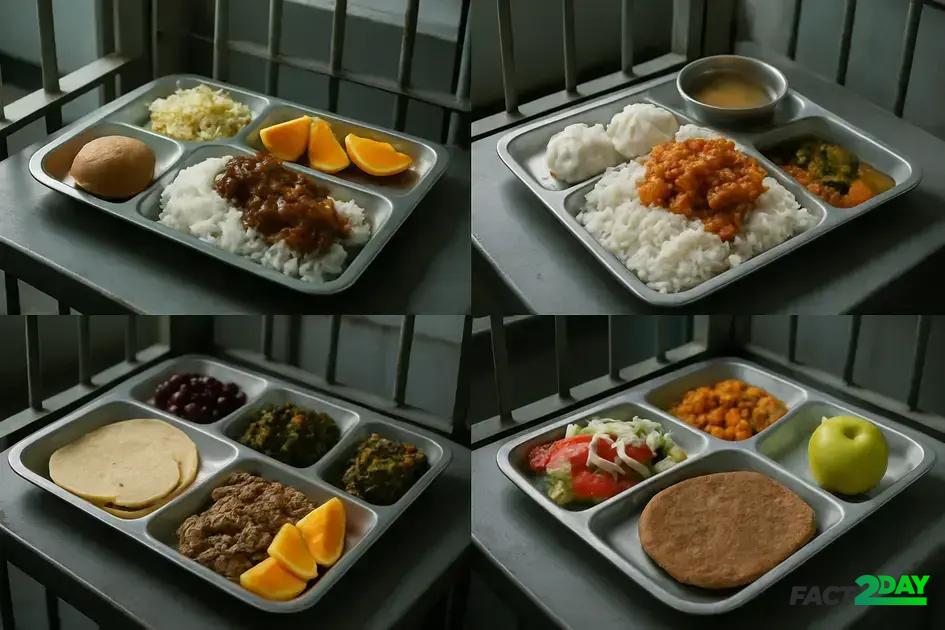
Prison food varies globally, reflecting cultural, nutritional, and rehabilitative goals, with evolving trends focusing on health, sustainability, and inmate empowerment.
Prison Food holds surprising stories beyond the plate. Ever wondered what people actually eat inside the world’s strangest prisons? Join me as we journey through peculiar meals and rituals that challenge what you might expect behind bars.
Historical evolution of prison food
Prison food has evolved significantly over centuries, reflecting broader societal changes and evolving attitudes toward incarceration. Historically, meals were basic and minimal, designed solely to sustain inmates rather than nourish them. Early prison diets often consisted of bread, gruel, and occasional portions of meat or vegetables. Over time, reforms began to emphasize not only sustenance but also the health and well-being of prisoners.
From Punishment to Nutrition
Initially, food in prisons was considered a part of punishment, with restrictions intended to reinforce discipline. However, in the 19th and 20th centuries, concerns about malnutrition and disease led to standardized meal plans aiming to meet basic nutritional needs. This shift marked a movement toward recognizing inmates’ human rights.
Modern Developments
Today, prison food varies globally depending on cultural norms, budgets, and regulations. Many systems prioritize balanced diets with adequate calories and vitamins, though challenges remain due to funding limits and logistical issues. Some prisons also incorporate rehabilitation through diet, teaching cooking skills or offering culturally appropriate meals.
The historical evolution of prison food shows a journey from mere survival rations to programs that consider health, culture, and rehabilitation, although disparities still exist worldwide.
Common rations in different prisons
Prison food rations vary widely across the globe, reflecting differences in culture, budget, and prison policies. In some countries, basic rations include staples like rice, beans, and bread, providing essential calories but often lacking variety. In others, meals may include meat, vegetables, and fruit but are still limited by cost and supply constraints.
Typical Meals Around the World
For example, in many U.S. prisons, meals often consist of processed foods such as canned vegetables, bread, and occasionally meat or eggs. In contrast, some Scandinavian prisons offer more balanced and fresher alternatives, focusing on rehabilitation through better nutrition.
Challenges With Common Rations
Ingredients are often chosen to maximize shelf life and minimize expense. This leads to repetitive menus with limited fresh produce, resulting in nutritional gaps for inmates. Some prisons supplement rations with commissary options, where inmates can buy snacks or additional items.
Rations also depend on the prison’s security level and resources. High-security prisons might have more restricted meals due to logistical challenges, while minimum-security facilities sometimes provide more variety and even cooking privileges.
Cultural influences on prison meals
Cultural influences play a significant role in shaping prison meals around the world. Food is not only about nutrition but also a reflection of traditions, beliefs, and local preferences. Many prison systems try to accommodate cultural and religious dietary needs to respect inmate diversity.
Adaptations to Local Customs
In countries with strong culinary identities, prison meals often include traditional staples. For example, rice and beans are common in Latin American prisons, while in Asian countries, meals might focus on rice, noodles, and vegetables. This approach helps provide a sense of familiarity for inmates.
Religious Dietary Requirements
Many prisons must also respect religious diets such as kosher, halal, or vegetarian meals. This respect for cultural and religious diversity is essential to maintaining peace and fairness. Providing these options can involve special menus or modified recipes to comply with religious laws.
Some prisons incorporate cultural festivals or special meals into their routines, celebrating holidays with unique dishes. These events can boost morale and foster a communal atmosphere despite the restrictions of prison life.
Nutrition and health concerns
Nutrition and health concerns are critical issues in prison food systems worldwide. Many inmates face diets that lack essential vitamins and minerals, leading to health problems such as anemia, scurvy, and obesity. Limited access to fresh fruits, vegetables, and lean proteins often contributes to these nutritional gaps.
The Impact of Poor Nutrition
Poor nutrition in prisons can exacerbate existing health conditions and contribute to new ones. High levels of processed foods and sugar in meals may increase risks of diabetes and heart disease among inmates. Mental health can also be affected, as diet plays a role in mood and cognitive function.
Efforts to Improve Diets
Some prison systems are working to improve inmate health by offering balanced meals, including fresh produce and whole grains. Education programs on healthy eating and cooking classes for inmates can promote better food choices. However, budget constraints and logistical challenges often limit these efforts.
Regular health screenings and nutrition assessments are essential to identify problems early and tailor diets to individuals’ needs, promoting overall well-being behind bars.
Prison food preparation and distribution
Prison food preparation and distribution are tightly controlled processes designed to maintain security while feeding large inmate populations. Meals are typically cooked in industrial-style kitchens, where staff must adhere to strict hygiene and safety standards. These kitchens use bulk ingredients to prepare standardized menus that meet nutritional guidelines.
Preparation Methods
Food preparation often involves large-scale cooking equipment such as steam kettles, ovens, and mixers to handle high volumes. Recipes are standardized to ensure consistency and cost-effectiveness. Staff members must work under strict supervision to prevent contraband or misuse of kitchen tools.
Distribution Logistics
Once prepared, meals are portioned into trays or containers and delivered to housing units. Distribution methods vary: some prisons use carts pushed down hallways, while others employ secure delivery systems to manage timing and reduce inmate movement. Efficiency and safety are key priorities.
Inmates typically eat in communal dining halls or cells, depending on the facility’s design. Some prisons allow limited inmate participation in meal distribution or preparation as part of rehabilitation efforts, teaching valuable life skills.
Unique rituals around prison meals
Prison meals often involve unique rituals that reflect the social dynamics and coping mechanisms of inmates. Sharing food, trading items, and creating makeshift recipes are common ways prisoners build community and exert control over their environment.
Food Sharing and Trading
In many prisons, inmates trade or share parts of their meals to meet personal tastes or dietary needs. This exchange system acts as an informal economy and a way to foster trust and alliances. Items like snacks or condiments are highly valued and often bartered.
Rituals and Creativity
Prisoners also invent rituals around mealtime to break monotony. Some create secret recipes using commissary items, combining limited resources in creative ways. These rituals often carry social significance, strengthening bonds and creating a sense of normalcy. For example, ‘spreads’—a collection of snacks arranged into a meal—are a popular and symbolic practice in some facilities.
Mealtime rituals highlight resilience and adaptation amid constraints, providing insight into inmate culture and social interaction behind bars.
How inmates adapt their diet
Inmates often find creative ways to adapt their diets within the constraints of prison food. Limited options and repetitive menus push many to modify meals using commissary items or trading with fellow prisoners. This adaptation is a form of agency and survival in a restrictive environment.
Using Commissary Items
Commissary purchases allow inmates to supplement standard meals with snacks, spices, or ingredients to improve flavor and variety. Common items include instant noodles, canned goods, and seasonings, which can be combined into new dishes. These improvised meals often become social experiences shared among inmates.
Food Modification and Bartering
Inmates engage in bartering to obtain preferred foods or ingredients. They may mix different rations or create “secret recipes” that involve combining small amounts of available items. These practices highlight adaptability and foster informal economies within prisons.
The ways inmates adapt their diet showcase resourcefulness and cultural expression, helping them maintain dignity and comfort in challenging conditions.
Comparing prison food globally
Prison food varies widely across countries, influenced by culture, budget, and prison policies. Comparing these meals offers insight into different approaches to inmate care and nutrition.
Differences in Quality and Variety
In some countries, like the United States, prison meals often consist of processed foods with limited fresh produce, focusing on cost effectiveness. In contrast, Scandinavian prisons provide balanced meals with fresh ingredients, reflecting a rehabilitative philosophy.
Impact of Local Traditions
Cultural preferences shape meals significantly. Asian prisons commonly serve rice-based dishes, while Latin American facilities include beans and corn. These local foods help maintain a connection to inmates’ backgrounds and can improve acceptance.
Challenges Worldwide
Many prisons around the world struggle with budget constraints leading to repetitive menus and lack of nutrition. However, efforts differ in emphasis on health, rehabilitation, and inmate dignity. Some systems incorporate educational cooking programs or special diet options to address these issues.
Understanding global differences highlights the balance between security, cost, and inmate well-being in prison food policies.
Impact of prison food on rehabilitation
Prison food can have a significant impact on rehabilitation by affecting inmates’ physical and mental health. Well-balanced meals support better health, which is essential for inmates to engage fully in educational and therapeutic programs.
Nutrition and Mental Health
Proper nutrition helps improve mood, energy levels, and cognitive function. Poor diets may worsen anxiety, depression, and behavioral problems, making rehabilitation efforts more difficult. Nutritional support can thus be a foundation for successful reintegration into society.
Food as Part of Rehabilitation Programs
Some prisons incorporate cooking classes and nutritional education as part of rehabilitation. Teaching inmates how to prepare healthy meals can develop skills valuable after release, boosting self-esteem and responsibility. These programs also promote healthier eating habits and improved social interactions.
Food quality, variety, and the social aspects of meals play a role in creating a positive environment. Inmates who feel respected and cared for are more likely to engage in rehabilitation and reduce recidivism.
Future trends in prison meal services
Future trends in prison meal services focus on improving nutrition, sustainability, and inmate engagement. Advances in food technology and growing awareness of health and environmental concerns are driving changes in how meals are planned and delivered.
Incorporating Sustainable Practices
Many prisons are adopting greener food service models by reducing waste, using locally sourced ingredients, and implementing composting programs. These efforts decrease costs and environmental impact while teaching inmates about sustainability.
Technology and Innovation
Innovations such as automated kitchens and meal tracking systems improve efficiency and food safety. Some systems use data to personalize meal plans based on inmates’ health needs, enhancing overall wellbeing.
Focus on Rehabilitation and Education
Future meal services are likely to include more cooking programs and nutrition education to empower inmates with skills for life after release. Integrating these programs supports rehabilitation and reduces recidivism.
Overall, future trends aim to create a prison food system that is healthier, more efficient, and better aligned with rehabilitative goals.
Looking Ahead: The Future of Prison Food
Prison food is evolving beyond basic nutrition toward healthier, more sustainable, and rehabilitative approaches. By embracing new technologies and focusing on inmate education, prisons can improve well-being and support successful reentry into society.
These changes offer hope for a food system that respects human dignity, promotes health, and helps inmates build important life skills. As prison meal services continue to advance, they have the potential to play a key role in rehabilitation and reducing repeat offenses.