Beyond Brewing: How Precision Fermentation is Crafting the Foods of Tomorrow (Without the Farm)
Discover how Precision Fermentation Future is reshaping food production, creating sustainable alternatives without traditional farming methods.
Ever found something bizarre in a game that totally wasn’t meant to be there? Back in the day with Pokémon Red and Blue, players discovered one of the most famous glitches ever: MissingNo.
When you fished off Cinnabar Island, this strange pixelated creature would appear. It was glitchy, weird-looking, and could mess up your game by corrupting your Hall of Fame or making your graphics go haywire.
But here’s the crazy part: players actually loved MissingNo. Catching it let you duplicate powerful items like Rare Candies and Master Balls, effectively giving you unlimited resources. What started as a bug turned into a secret cheat that fans couldn’t get enough of. It’s wild how a programming glitch became a legendary part of gaming history!
Precision Fermentation Future is opening up wild new ways to make food without needing farms. Ever wondered how your favorite plant-based cheese or meat alternative is brewed in a lab? Let’s dive into this game-changing tech that might just reshape what’s on your plate tomorrow.
What is precision fermentation and how does it work?
Precision fermentation is a groundbreaking biotechnology that uses microorganisms like yeast or bacteria to produce specific proteins and ingredients. Instead of growing entire plants or animals, scientists engineer these microbes to ferment in controlled environments, producing food components efficiently and sustainably.
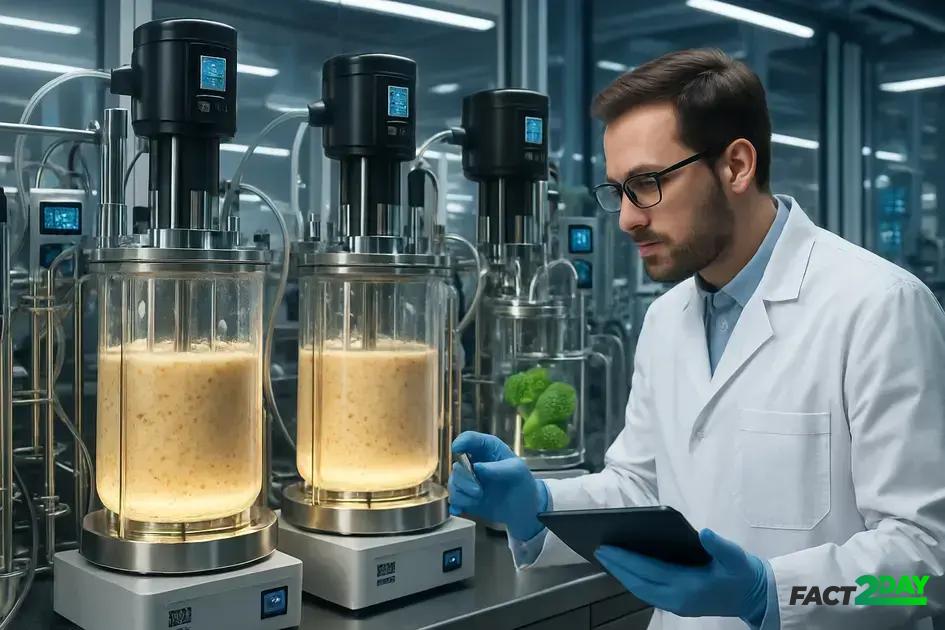
At its core, precision fermentation works by inserting genetic instructions into microbes, telling them to create a target ingredient. These microbes then grow in bioreactors, where they ferment sugars and other nutrients, producing the desired molecules. This process allows for highly controlled production of proteins, enzymes, or fats without the need for traditional farming.
For example, to make animal-free dairy, microbes can be programmed to produce casein and whey proteins identical to those in cow’s milk. This enables the creation of cheese, yogurt, and milk alternatives that taste and behave like the real thing.
Because precision fermentation is done in sterile, optimized lab setups, it significantly cuts down on land use, water consumption, and greenhouse gas emissions compared to livestock or crops. It also provides greater consistency and scalability in producing specialty ingredients for food, beverages, and nutrition.
Key Components of Precision Fermentation
There are three main components: the genetically engineered microorganisms, the fermentation vessel (bioreactor), and the feedstock (usually sugars or plant-based materials). Each element plays a crucial role in ensuring efficient and clean production.
Advances in synthetic biology and metabolic engineering have accelerated the ability to design microbes with enhanced production capabilities, improving yields and reducing costs.
Key benefits of precision fermentation for the food industry
Precision fermentation offers multiple benefits that are revolutionizing the food industry. It allows companies to produce high-quality ingredients with greater efficiency and sustainability compared to traditional agriculture.
One key benefit is environmental sustainability. Precision fermentation drastically reduces water use, land requirements, and greenhouse gas emissions, making it an eco-friendly alternative to livestock farming and crop cultivation.
Another advantage is resource efficiency. Fermentation processes can be scaled to produce specific proteins, enzymes, or fats without waste, minimizing inputs like feed and energy.
Consistency and Scalability
Precision fermentation provides consistent, high-purity products that are scalable to meet global demands. Unlike traditional farming, which can be affected by climate, pests, or seasonality, fermentation is controlled and repeatable.
Additionally, it enables innovation in food creation. Novel ingredients and products, such as animal-free dairy or alternative meat textures, can be developed to cater to changing consumer preferences.
Health benefits are also notable. Precision fermentation can produce allergen-free or enhanced-nutrition ingredients, improving food safety and quality.
Lastly, this technology supports economic growth by creating new markets and job opportunities within biotech-driven food sectors.
Innovative products made possible by precision fermentation
Precision fermentation has unlocked the creation of many innovative food products that were once challenging or impossible to produce sustainably. Through this technology, companies can develop animal-free dairy, meat alternatives, and specialty ingredients with great taste and texture.
One revolutionary product is animal-free dairy. Proteins like casein and whey are produced without cows, enabling the manufacture of cheese, yogurt, and milk with authentic flavors and nutritional profiles.
Meat substitutes made with fermentation-derived proteins are gaining traction. These products can mimic the texture and taste of various meats while offering benefits like reduced environmental impact and no antibiotics.
Specialty Ingredients and Enzymes
Besides whole foods, precision fermentation creates enzymes and functional proteins used in baking, brewing, and food preservation. These ingredients improve shelf life, enhance taste, and optimize production processes.
Other innovations include fortifying foods with specific nutrients such as vitamins or antioxidants synthesized through fermentation, delivering health benefits in everyday products.
Precision fermentation also supports the development of sustainable fats and oils that replace traditional animal fats, contributing to healthier and eco-friendly food options.
As consumer demand grows for clean-label, ethical, and sustainable products, precision fermentation continues to expand the variety of options on the market, pushing the boundaries of food innovation.
Environmental impact of precision fermentation versus traditional farming
Precision fermentation offers significant environmental advantages over traditional farming methods. It requires far less land, water, and energy, which means a much smaller ecological footprint.
Traditional livestock farming is a major contributor to greenhouse gas emissions, including methane and carbon dioxide. Precision fermentation, however, produces proteins and other ingredients in closed bioreactors, which means emissions are dramatically reduced.
Land and Water Conservation
Farming animals and crops demands large swathes of land and extensive water resources. Precision fermentation bypasses these needs by using microorganisms to synthesize food ingredients in controlled environments, saving natural habitats and reducing deforestation risks.
Water usage is another key benefit. Traditional agriculture consumes thousands of liters of water per kilogram of product, while fermentation processes use a fraction of that amount, helping preserve this precious resource.
This method also lowers reliance on fertilizers and pesticides, which can pollute soil and waterways when used in conventional farming.
Waste Reduction and Efficiency
The fermentation process generates minimal waste compared to animal farming, which produces manure and other byproducts that require management to avoid environmental harm.
By optimizing feedstock inputs and microbial efficiency, precision fermentation maximizes output with minimal resource input, proving to be a more sustainable and efficient food production approach.
Challenges and limitations in scaling precision fermentation
Scaling precision fermentation presents several challenges and limitations that industries must navigate to unlock its full potential in food production.
One major hurdle is the high upfront costs. Building and operating large-scale bioreactors and fermentation facilities demand significant investment in technology, infrastructure, and skilled labor.
Maintaining process consistency and quality control at scale is also complex. Microbial behavior can vary in larger volumes, requiring rigorous monitoring and optimization to avoid product deviations.
Regulatory and Safety Concerns
Compliance with food safety and regulatory standards can be time-consuming and vary by region. Navigating these requirements slows down the commercial rollout of precision fermentation products.
Another limitation lies in feedstock sourcing. Fermentation relies on sugars or plant-based inputs, and securing sustainable, cost-effective feedstocks at scale remains a logistical challenge.
Workforce expertise is critical. The industry needs trained biotechnologists, engineers, and quality experts to manage complex fermentation systems, creating a talent bottleneck in some areas.
Consumer Perception and Market Adoption
Although growing, consumer acceptance is still developing. Concerns over genetically modified organisms and unfamiliar production methods can hinder widespread adoption, requiring education and transparent communication.
Despite these challenges, ongoing research and innovation aim to improve scalability, reduce costs, and enhance process reliability, gradually overcoming current limitations.
The role of biotech companies in advancing this technology
Biotech companies are at the forefront of advancing precision fermentation technology, driving innovation and commercializing sustainable food solutions. They combine expertise in synthetic biology, genetic engineering, and fermentation to develop new ways of producing food ingredients.
These companies engineer microbes to efficiently produce proteins, enzymes, and other molecules that replicate animal-based ingredients without the need for livestock. Their research teams optimize microbial strains and fermentation processes to maximize yield and reduce production costs.
Collaboration and Investment
Biotech firms often partner with food manufacturers, investors, and research institutions to accelerate product development and scaling. Significant venture capital investment fuels rapid innovation and helps move products from lab to market.
They play a vital role in navigating regulatory landscapes to ensure that new products meet food safety standards and gain market approval. Transparency and compliance are critical to consumer trust and adoption.
Startups and established companies alike work on creating diverse applications, ranging from animal-free dairy and meat to specialty ingredients for nutrition and flavor enhancement.
The efforts of biotech companies contribute to sustainability goals by reducing the environmental footprint of food production and offering alternatives that can feed a growing global population with fewer resources.
How precision fermentation supports sustainable food systems
Precision fermentation plays a vital role in building sustainable food systems by offering a way to produce food ingredients with minimal environmental impact. This technology helps reduce over-reliance on traditional farming, which often strains natural resources.
By enabling the production of proteins and enzymes in controlled settings, precision fermentation uses far less land and water than animal or crop agriculture, conserving ecosystems and biodiversity.
Reducing Greenhouse Gas Emissions
This method significantly cuts greenhouse gas emissions compared to livestock farming, helping to combat climate change. The closed bioreactor systems are designed for efficient resource use, lowering carbon footprints.
Precision fermentation supports circular economy principles by using renewable feedstocks, such as plant sugars or agricultural byproducts, to feed microbes, minimizing waste.
It also helps diversify food supply chains, making production more resilient to climate shocks, pests, and diseases.
In addition, products made through precision fermentation can reduce food waste due to their consistent quality and longer shelf life.
Many organizations and companies are adopting this technology as part of a broader strategy to create equitable, scalable, and climate-friendly food systems for the future.
Consumer acceptance and market trends for fermented foods
Consumer acceptance is a key factor in the success of precision fermentation products in the market. Many people are becoming more aware of the environmental and health benefits offered by these foods, leading to growing interest and demand.
However, some consumers have concerns about genetically modified ingredients and novel production methods, which means education and clear communication are essential to build trust.
Market Trends Driving Growth
The plant-based and alternative protein markets are expanding fast, with precision fermented foods gaining traction for their authentic taste and sustainable profile. Products like animal-free dairy and meat alternatives are moving from niche markets to mainstream shelves.
Brands are focusing on clean labels, transparency, and sustainability claims, which resonate strongly with today’s conscious consumers.
Retailers and food service providers are also incorporating these products to meet shifting consumer preferences towards healthier and more ethical choices.
Investment in startups and biotech firms focused on precision fermentation continues to rise, fueling innovation and increasing the variety of available products across regions.
As awareness grows and prices become competitive, precision fermentation is poised to become a central part of the global food landscape.
Comparing precision fermentation with other food tech innovations
Precision fermentation stands out among food tech innovations by offering a highly efficient way to produce specific proteins and ingredients without the need for whole plants or animals. Compared to other technologies, it offers unique advantages in sustainability and precision.
While cellular agriculture, such as cultured meat, involves growing whole animal cells to create meat products, precision fermentation focuses on microbe-driven production of individual components like proteins or fats. This often results in faster production cycles and lower costs.
Differences from Plant-Based Alternatives
Plant-based foods rely on extracting proteins and nutrients from plants, but precision fermentation can produce animal-identical proteins, enabling products with closer taste and texture to animal-derived foods.
Other food tech innovations include gene editing and synthetic biology, which sometimes intersect with precision fermentation but focus more on improving crop traits rather than producing food ingredients from microbes.
Automation and AI-driven food processing enhance efficiency across food tech, but precision fermentation is unique in its ability to bio-manufacture complex molecules in controlled environments.
Each technology contributes differently to sustainable food goals, but precision fermentation offers a promising balance of scalability, environmental benefits, and product quality.
Regulatory landscape surrounding precision fermentation products
The regulatory landscape for precision fermentation products is evolving as governments work to keep pace with this innovative food technology. Regulations ensure products are safe for consumers while encouraging innovation and market entry.
Different countries have varied approaches to approval. Some treat precision fermentation products like traditional food ingredients, while others require extensive safety assessments, especially when genetically modified organisms are involved.
Key Regulatory Challenges
One challenge is defining clear guidelines to evaluate the safety of novel proteins and microbes used in fermentation. Regulators focus on allergenicity, toxicity, and environmental impact.
Labeling requirements also vary, with debates over how much information about the production process or genetic modifications must be disclosed to consumers.
To facilitate smoother market entry, many companies engage early with regulatory bodies, submitting detailed data to demonstrate safety and compliance.
International harmonization efforts seek to standardize regulations, making it easier for products to reach global markets without redundant approvals.
Despite complexities, the regulatory environment is gradually adapting, aiming to balance consumer protection with support for sustainable food innovation.
Future prospects and upcoming breakthroughs in the field
The future of precision fermentation holds exciting prospects as advancements in synthetic biology and bioengineering drive new breakthroughs. Innovations aim to make fermentation faster, cheaper, and more versatile across diverse food applications.
Cutting-edge research focuses on engineering microbes that can produce complex molecules with enhanced efficiency and novel functionalities, expanding the range of food ingredients available.
Emerging Technologies and Trends
AI and machine learning are increasingly integrated into fermentation processes to optimize microbial design, predict yields, and reduce trial and error in production.
Another breakthrough involves utilizing alternative and sustainable feedstocks, such as agricultural waste or carbon dioxide, to fuel fermentation, further improving environmental impact.
Beyond food, precision fermentation may expand into producing pharmaceuticals, biomaterials, and specialty chemicals, creating a bio-based economy.
Consumer demand for ethical, sustainable, and high-quality products will continue to drive investment and innovation, making precision fermentation a central pillar in the future of food.
As technology matures, costs will reduce, and regulatory frameworks become clearer, we can expect broader adoption across global food systems, bringing healthier and more sustainable options to consumers worldwide.
How precision fermentation could change your everyday meals
Precision fermentation has the potential to revolutionize your everyday meals by making sustainable, nutritious, and delicious ingredients more accessible. Imagine dairy products, meats, and other favorites produced without the environmental strain of traditional farming.
Foods made through precision fermentation can closely mimic the taste and texture of animal products, offering satisfying alternatives with fewer calories, fewer allergens, and no antibiotics or hormones.
More Variety and Nutrition
This technology enables the creation of fortified foods rich in vitamins, proteins, and other essential nutrients. It opens doors to new flavors and food combinations previously hard to achieve.
Meal options will become more diverse and eco-friendly, helping reduce food waste thanks to longer shelf life and consistent quality.
Restaurants and home cooks alike will benefit as precision fermentation products become staples, allowing for creative cooking while supporting a healthier planet.
Overall, precision fermentation could make your meals more sustainable, healthy, and exciting, transforming the way we experience food daily.
Looking Ahead: The Future of Food with Precision Fermentation
Precision fermentation is set to change the way we produce and enjoy food, offering sustainable, tasty, and healthy options. As technology advances, it promises to reduce our environmental impact and make food more accessible to everyone.
With continued innovation, improved regulations, and growing consumer acceptance, precision fermentation could become a key part of global food systems.
Embracing these foods means supporting a future where meals are not only delicious but also kinder to the planet. The era of precision fermentation is just beginning, and its potential to reshape everyday meals is truly exciting.